Yulu secures $93 million in 2026 to Deploy 200,000 E‑bikes for Quick‑Commerce in India
The quick‑commerce boom and Yulu’s fresh cash injection
India’s fast‑moving consumer goods market has been reshaped by on‑demand delivery apps, and investors are betting that electric two‑wheelers are the most efficient way to keep parcels moving through congested streets. In August 2026, Yulu announced a $93 million Series C round led by a mix of global venture funds and Indian corporate investors, a clear signal that capital is flowing into the niche of e‑bike logistics.
The funding round came at a time when the quick‑commerce sector is projected to grow at double‑digit rates through 2030, according to a report from the Confederation of Indian Industry. Faster delivery times, lower last‑mile costs and tighter carbon‑footprint targets are pushing retailers to replace diesel scooters with electric bikes that can zip through traffic without the noise and fumes.
Yulu’s investors are not just chasing a return; they are positioning themselves at the intersection of climate policy and digital commerce. The Indian government’s push for 30 percent electric vehicle adoption by 2030, combined with subsidies for charging infrastructure, creates a policy backdrop that makes a $93 million bet look less speculative and more strategic.
From campus rides to urban logistics: Yulu’s new ambition
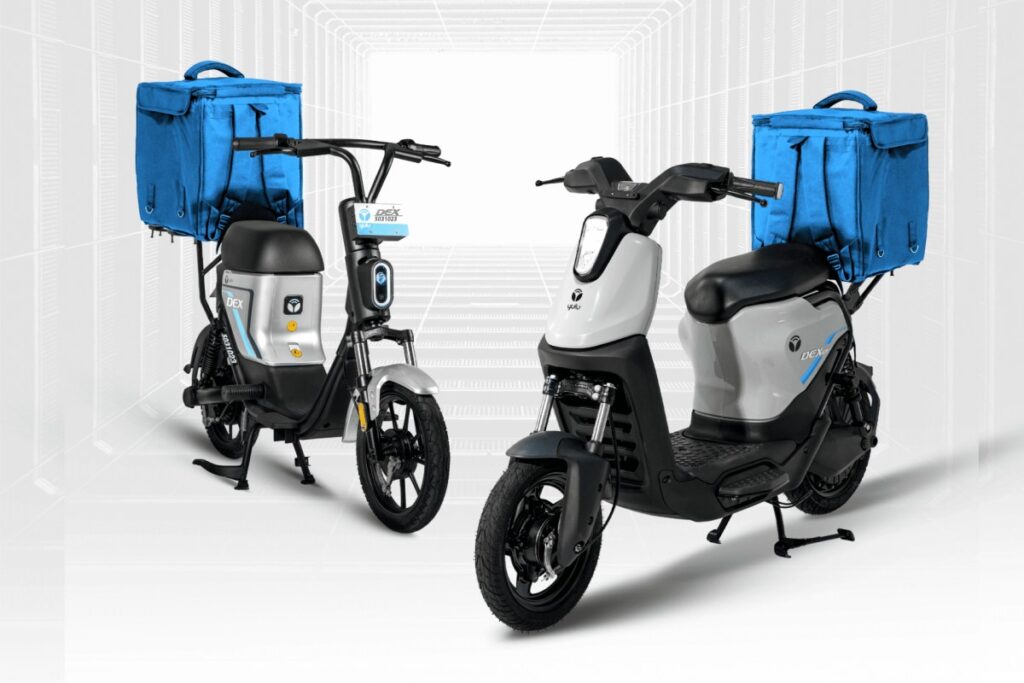
Founded in 2018 as a campus‑focused shared‑e‑bike service, Yulu has spent the last few years expanding into city‑wide micro‑mobility, but the latest funding marks a decisive pivot toward freight. The company says it will field a fleet of 200,000 electric two‑wheelers within the next two years, many of which will be equipped with cargo boxes designed for small parcels and food deliveries.
The shift mirrors a broader trend where micro‑mobility firms are adding a logistics layer to their platforms. By integrating a real‑time routing engine that matches delivery orders with nearby riders, Yulu hopes to cut average delivery times from 45 minutes to under 30 minutes in dense urban cores such as Bengaluru and Mumbai.
Industry analysts, like Anjali Mehta of NASSCOM, argue that this model could unlock new revenue streams for Yulu while also providing gig workers with higher‑value tasks. Instead of ferrying commuters, riders could earn more by handling multiple short‑haul deliveries, a prospect that could reshape the economics of the Indian gig economy.
Why the $93 million matters for India’s mobility landscape
The infusion of capital will fund not only bike production but also a network of fast‑charging stations, data analytics tools and a proprietary logistics marketplace. In a country where 40 percent of urban commuters still rely on two‑stroke petrol scooters, a rapid scaling of electric alternatives could accelerate the phase‑out of polluting vehicles.
Beyond emissions, the rollout promises to ease chronic traffic congestion. A study by the Indian Institute of Technology Delhi estimates that replacing 10 percent of diesel scooters with cargo‑ready e‑bikes could reduce city‑wide fuel consumption by 1.2 million litres per year, translating into measurable economic savings for both businesses and commuters.
The funding also signals confidence in home‑grown tech startups. While global giants like Uber and Amazon dominate the quick‑commerce space, Yulu’s home‑market focus and deep integration with Indian logistics partners give it a competitive edge that could inspire a new wave of indigenously built mobility platforms.
African cities watching: lessons and opportunities
African megacities such as Lagos, Nairobi and Johannesburg are grappling with the same last‑mile delivery challenges that Yulu is targeting in India. The continent’s e‑mobility market is projected to reach $12 billion by 2030, according to a BloombergNEF forecast, and investors are keen to replicate successful models from Asia.
Yulu’s approach—pairing a large, low‑cost e‑bike fleet with a digital logistics layer—offers a template for African startups that are already experimenting with cargo e‑bikes. Companies like Kenya’s Twiga Foods and South Africa’s GetBoda have piloted electric cargo scooters, but they lack the scale of financing that Yulu now enjoys. The Indian case could encourage African venture capitalists to allocate more seed money toward similar ventures.
Policy alignment is another key takeaway. India’s subsidies for charging infrastructure and its “Faster Adoption and Manufacturing of Hybrid and Electric Vehicles” (FAME) scheme have lowered the cost barrier for fleet operators. African governments are beginning to draft comparable incentives; for instance, Rwanda’s 2025 e‑mobility roadmap promises tax breaks for electric delivery vehicles. Watching Yulu’s rollout could help policymakers calibrate subsidy levels and regulatory frameworks that balance growth with safety.
Challenges ahead and what the next two years could look like
Scaling to 200,000 bikes will test Yulu’s supply chain resilience. Battery sourcing, a global bottleneck, remains a risk, especially as demand from Europe and the United States intensifies. The company has reportedly signed a memorandum of understanding with a domestic battery manufacturer to secure a steady supply, but any disruption could delay fleet expansion.
Regulatory hurdles also loom. Indian cities are still drafting rules on where e‑bikes can operate, parking requirements and rider licensing. In some municipalities, informal e‑bike parking has sparked community complaints, prompting authorities to consider stricter zoning. Yulu will need to work closely with local governments to avoid push‑back that could stall deployment.
If Yulu can navigate these obstacles, the next two years may see a new logistics ecosystem where small retailers, food vendors and even informal market stalls rely on electric two‑wheelers for rapid deliveries. Such an ecosystem could lower entry barriers for entrepreneurs, create thousands of gig‑economy jobs and, most importantly, demonstrate that clean, affordable mobility can be a cornerstone of urban commerce in emerging markets.
Quick Answers
How much funding did Yulu raise in 2026?
Yulu secured $93 million in a Series C round announced in August 2026.
What is Yulu’s target fleet size by 2028?
The company aims to operate 200,000 electric two‑wheelers within the next two years.
Why is Yulu’s expansion relevant to African cities?
Yulu’s model shows how electric cargo bikes can solve last‑mile delivery challenges, a problem many African megacities face, and may inspire local startups and policy makers.
Source: techcrunch.com




💬 Comments 0