Zambia 2026: Opposition leader Dr. Joseph Malama denounces fabricated insurrection claims after arrests
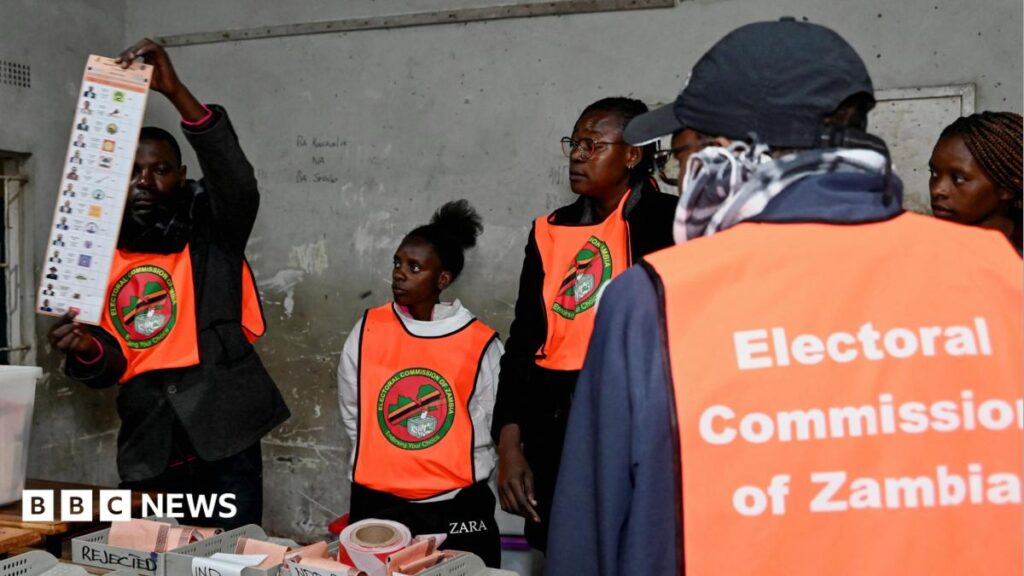
Election night and the sudden arrests
When Zambian voters went to the polls on August 12, 2026, the atmosphere was charged with both hope and tension. The incumbent president, Hakainde Hichilema, was seeking a second term against a field of challengers, the most prominent of whom was Dr. Joseph Malama of the United Democratic Front. Preliminary results showed a narrow lead for Hichilema, but the opposition contested the tally, alleging irregularities in several key constituencies.
Within 48 hours of the announcement, Zambian security forces detained three senior figures from the United Democratic Front, including Malama’s campaign manager, former minister Agnes Mwape, and a well‑known youth activist, Kelvin Phiri. The arrests were justified by the Ministry of Home Affairs as a pre‑emptive move to stop a “planned insurrection” that, according to officials, was being coordinated behind the scenes.
The opposition quickly labeled the operation a political stunt. Dr. Malama appeared on national television on August 15, calling the accusations "total fabrications" and insisting that the detained leaders were being used as bargaining chips to intimidate dissent. Human rights groups monitoring the situation reported that the detainees had not been formally charged and were being held without access to legal counsel.
Fabricated insurrection? The opposition’s rebuttal
Dr. Malama’s assertion that the insurrection claim was invented rests on a lack of any public evidence. In a press conference, he pointed to the absence of any documented plot, saying that the government’s narrative relied on “anonymous tips” that had never been disclosed. He also highlighted that the arrests occurred in districts where his party had won by large margins, suggesting a strategic effort to cripple the United Democratic Front’s grassroots network.
Legal analysts cited by the Zambian Bar Association noted that the government’s reliance on the Public Order Act—a colonial‑era law that allows for preventive detention—has been controversial since its amendment in 2020. They warned that invoking the Act without transparent judicial oversight could set a dangerous precedent for future elections, effectively criminalising political opposition under the guise of national security.
International observers from the African Union and the European Union, who were present to monitor the vote, expressed concern that the arrests could undermine the credibility of the electoral process. A statement from the AU’s Panel of Experts said the situation warranted “urgent clarification” and urged Zambian authorities to respect due process.
Why the crackdown matters for Zambia’s democracy
Zambia has long been hailed as a relative beacon of democratic stability in Southern Africa, especially after the peaceful transfer of power in 2021. The current episode threatens to erode that reputation. If the government proceeds with prolonged detention without trial, it could signal a shift toward authoritarian tactics that have resurfaced in other parts of the continent.
The business community is already reacting. The Lusaka Stock Exchange saw a 3.2% dip in the week following the arrests, as investors feared a deteriorating rule‑of‑law environment. Mining companies, which dominate Zambia’s export earnings, warned that political volatility could delay crucial infrastructure projects and affect commodity contracts that rely on stable governance.
Civil society groups, including the Zambia Civic Alliance, have organized peaceful rallies demanding the release of the detained opposition figures. Their statements stress that any erosion of political freedoms could marginalise minority voices, especially in rural provinces where opposition support is strongest.
A broader pattern of post‑election repression in Africa
Zambia’s situation mirrors a troubling trend across sub‑Saharan Africa where incumbents use security apparatuses to stifle post‑election dissent. In Kenya’s 2022 elections, for example, dozens of opposition activists were arrested on vague “terrorism” charges, while in Gabon’s 2023 contested vote, the military intervened to suppress protests. These cases illustrate how governments increasingly frame political opposition as a security threat to justify heavy‑handed crackdowns.
The rise of digital surveillance tools has amplified the ability of states to monitor and target opposition networks. In Zambia, leaked phone records reportedly showed that security agencies had been tracking the movements of United Democratic Front volunteers for weeks before the arrests, according to a source close to the party.
Regional bodies such as the Southern African Development Community (SADC) have historically intervened in electoral crises, but their response this time has been muted. Critics argue that SADC’s reluctance to issue a firm condemnation reflects a broader fatigue in confronting member states that claim to be “democratic partners” while quietly tolerating authoritarian drift.
What’s next? Legal battles, diaspora activism and possible sanctions
The immediate legal horizon will likely involve court hearings on the legality of the detentions. Lawyers for the United Democratic Front have filed a petition with the High Court demanding the immediate release of their clients and an injunction against further preventive arrests. If the judiciary rules in their favour, it could reaffirm the independence of Zambia’s legal system; a contrary ruling, however, may embolden the executive to use security laws more aggressively.
The Zambian diaspora, particularly in the United Kingdom and South Africa, has mobilised on social media, launching the hashtag #FreeZambiaOpposition. Diaspora organisations have scheduled peaceful demonstrations outside Zambian embassies, urging foreign governments to apply diplomatic pressure and consider targeted sanctions on officials responsible for the arrests.
International financial institutions are watching closely. The World Bank’s country director for Zambia indicated that any escalation in political repression could affect the disbursement schedule of a $500 million infrastructure loan slated for completion in 2027. Meanwhile, the United States’ Bureau of Democracy, Human Rights, and Labor warned that “repeated violations of civil liberties may trigger a review of aid eligibility.”
Quick Answers
Why were Zambian opposition leaders arrested after the 2026 election?
The government says they were detained to stop a planned insurrection, but the opposition calls the claim fabricated and says the arrests aim to suppress dissent.
How could the arrests affect Zambia’s economy?
Investors fear political instability, leading to a stock market dip and potential delays in mining and infrastructure projects that rely on a stable rule‑of‑law environment.
What actions are diaspora groups taking in response?
Zambian diaspora communities in the UK and South Africa are organising protests, using social media campaigns, and urging foreign governments to pressure Lusaka for the release of the detained leaders.
Source: www.bbc.co.uk

💬 Comments 0