Zambia signs $1.5 bn US health partnership in 2026 after data‑sharing dispute
Background: From Trump‑era cuts to renewed dialogue
In 2020, the Trump administration slashed USAID’s budget for sub‑Saharan Africa, cutting roughly $150 million earmarked for Zambia’s health programmes and sparking a diplomatic row over the future of bilateral aid.
The reduction left Zambia scrambling to fill gaps in its HIV, TB and maternal‑health services, while also prompting the government to demand clearer terms on how any future data would be used, a demand that the United States initially resisted.
Over the past two years, both sides have engaged in behind‑the‑scenes negotiations, with Zambia’s Ministry of Health insisting on data‑sovereignty clauses and the US emphasizing the need for real‑time health intelligence to combat emerging pandemics.
The new $1.5 bn health agreement – what it contains
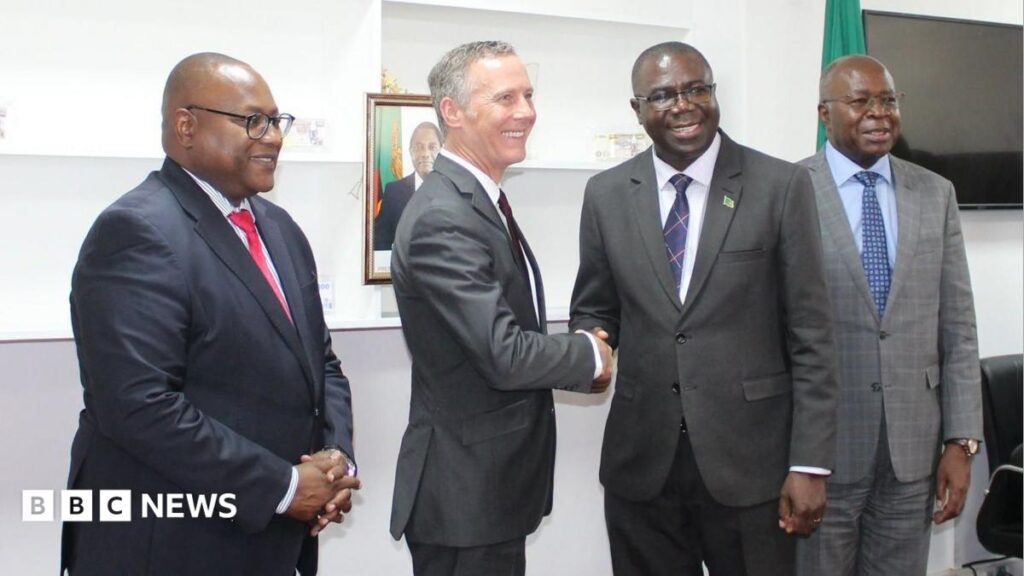
The deal, signed in Lusaka on 8 October 2026, commits the United States to provide $1.5 billion over a five‑year period, earmarked for vaccine procurement, health‑system strengthening, and a digital health platform that will link clinics to a central monitoring hub.
A controversial element is a data‑sharing protocol that requires Zambian health facilities to upload anonymised patient records to a US‑hosted cloud service for disease‑surveillance analytics. The protocol was softened after Zambia secured a clause allowing the data to be stored on servers located within the country and reviewed by an independent ethics board.
Funding will be disbursed in tranches tied to measurable milestones, such as the rollout of the electronic medical records system in 30 districts and the training of 5,000 community health workers on data privacy best practices.
Why the agreement matters for Zambia’s health landscape
Zambia’s health ministry estimates that the new resources could close a $2 billion funding gap identified in its 2025 National Health Strategic Plan, especially in rural areas where supply chains have been fragile.
The digital platform, if implemented as promised, would give clinicians faster access to stock‑out alerts and epidemiological trends, potentially reducing maternal mortality by an estimated 12 % according to a World Bank modelling study released earlier this year.
Beyond numbers, the partnership signals a shift in how Zambia negotiates aid: by securing data‑ownership guarantees, the country is asserting its digital sovereignty, a stance that could influence future deals with other donors.
A wider African trend: data sovereignty and health financing
Zambia’s insistence on data‑localisation mirrors a growing movement across Africa, where nations such as Kenya, Ghana and South Africa have introduced legislation to keep health and biometric data on the continent.
The United States, under the 2024 Global Health Security Agenda, has been pushing for more granular data sharing to improve outbreak detection. The Zambia deal shows a possible middle ground: collaborative analytics without surrendering full control of raw datasets.
Financially, the $1.5 bn package adds to a wave of non‑traditional health financing in Africa, where private‑sector blended funds, climate‑linked bonds, and bilateral health loans are increasingly supplementing traditional aid streams.
Reactions from civil society, the diaspora and investors
Local NGOs, including the Zambia Health Advocacy Forum, welcomed the influx of cash but warned that implementation speed will be the real test, citing past projects that stalled after initial enthusiasm.
Members of the Zambian diaspora in the United Kingdom and United States expressed optimism that the partnership could open new opportunities for skilled health professionals to work on joint research projects, especially in vaccine development.
International investors, notably a consortium led by a French impact‑investment fund, said the deal reduces macro‑risk for health‑sector investments, hinting at possible follow‑on financing for private clinics that will integrate with the new digital system.
What’s next: monitoring, challenges and regional ripple effects
The agreement establishes a joint oversight committee, composed of US, Zambian, and independent experts, to review quarterly progress reports and audit data‑handling practices. This mechanism is designed to address transparency concerns that have plagued earlier aid programmes.
Key challenges remain: building broadband infrastructure in remote districts, training health workers on new software, and ensuring that the ethics board has the capacity to vet data‑use requests without causing bureaucratic delays.
If Zambia can demonstrate a functional, privacy‑respecting digital health ecosystem, neighboring countries such as Malawi and the Democratic Republic of Congo may look to replicate the model, potentially creating a regional data‑exchange network that balances public‑health needs with sovereign safeguards.
Quick Answers
How much funding does the new US‑Zambia health deal provide?
The partnership commits $1.5 billion over five years to Zambia’s health sector.
What are the main data‑sharing concerns in the agreement?
Zambia wants health data stored locally and reviewed by an independent ethics board, while the US seeks anonymised data for disease‑surveillance analytics.
When will the first tranche of funds be released?
The initial disbursement is scheduled for early 2027, linked to the launch of the electronic medical records system in pilot districts.
Source: www.bbc.co.uk




💬 Comments 0