Zambia’s wild dogs complete 2,500‑mile trek in 2026 – what it means for conservation, tourism and local communities
A record‑breaking odyssey across the Zambezi basin
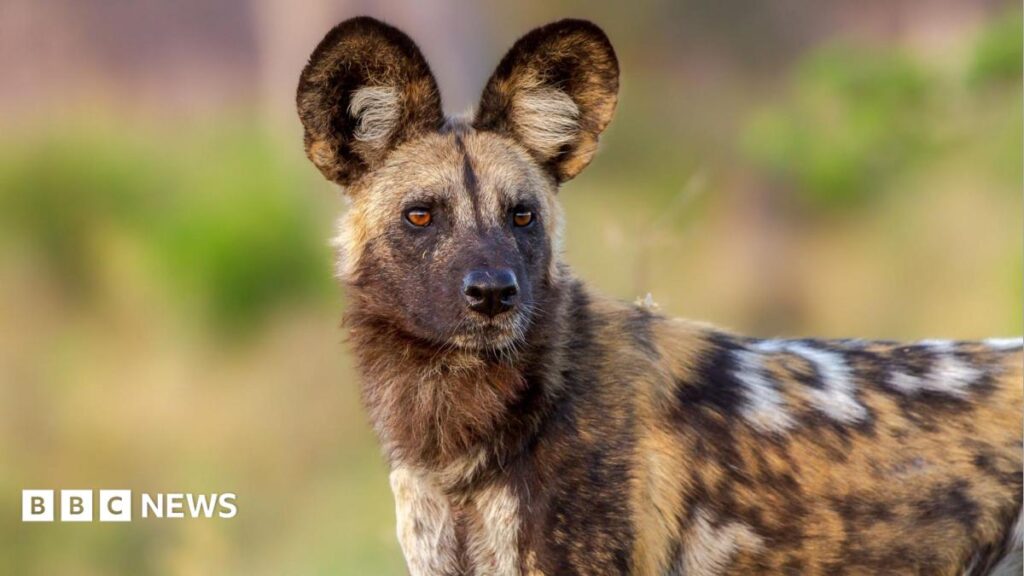
In early 2026 three male African wild dogs – brothers known to researchers as Kofi, Temba and Juma – embarked on a journey that would stretch over 2,500 miles, crossing the length of Zambia from the Luangwa Valley in the east to the Kafue flats in the west. The trek, confirmed by GPS collars fitted by the Zambian Carnivore Conservation Programme, took roughly nine months and covered a mosaic of savannah, woodland and agricultural land. It is the longest documented migration for the species, which is more famous for its pack‑hunting raids than for long‑distance wanderings.
The brothers were separated from their natal pack after a territorial clash with a rival clan in 2025. With no females in the immediate vicinity, they set out in search of a mate, a behaviour that scientists say is rare but not unprecedented. Their route took them through three national parks, two community‑managed conservancies and several privately owned farms, offering a unique cross‑section of Zambia’s land‑use mosaic.
Researchers from the University of Pretoria, who have been tracking the pack since 2018, noted that the dogs maintained a steady pace of 10‑12 kilometres a day, pausing only for brief rests at waterholes or during the short rainy season when prey was abundant. The data collected will become a benchmark for future studies on dispersal patterns of Lycaon pictus in southern Africa.
Why the trek matters for wild‑dog conservation
African wild dogs are listed as Endangered on the IUCN Red List, with fewer than 6,500 individuals estimated across the continent. Their populations are fragmented by fences, roads and expanding agriculture, which limits gene flow and makes isolated packs vulnerable to disease and inbreeding. The brothers’ successful navigation of a 2,500‑mile corridor demonstrates that, under the right conditions, wild dogs can still traverse large distances to locate new mates and re‑establish genetic links.
The journey also highlights the importance of ecological corridors that link protected areas. Conservation NGOs such as the African Wild Dog Conservancy have long advocated for "wild‑dog highways" – strips of unfenced land that allow safe passage between reserves. The brothers used several of these informal corridors, notably the historic Mweru‑Luapula link that connects the Luangwa and Kafue ecosystems. Their trek provides concrete evidence that these pathways are functional, strengthening the case for formal protection and land‑use planning that respects wildlife movement.
Moreover, the trek offers a rare data set on how wild dogs cope with human‑dominated landscapes. The GPS logs recorded several instances where the dogs crossed livestock fences without conflict, suggesting that with community awareness and mitigation measures (such as predator‑friendly fencing), coexistence is achievable. This insight could inform policy revisions in Zambia’s National Wildlife Management Act, which currently permits lethal control in certain conflict zones.
Economic ripple effects: tourism, communities and the diaspora
Zambia’s wildlife tourism contributes roughly $250 million to the national economy each year, according to the Ministry of Tourism. While lions and elephants dominate visitor itineraries, the wild‑dog story has sparked a surge of interest among niche eco‑tour operators who market "predator‑watch" experiences beyond the usual big‑cat focus. Early bookings for the 2027 Luangwa‑Kafue wildlife trek have risen by 30 % since the trek was publicised, indicating that the narrative is translating into real dollars for local guides and lodges.
Community‑based conservancies along the route, such as the Chipata Wildlife Trust, have reported an uptick in donations from Zambian diaspora groups in the United Kingdom and United States. These diaspora networks are leveraging the story to launch crowdfunding campaigns that fund anti‑poaching patrols and predator‑friendly livestock enclosures. One such initiative, "Guardians of the Pack," raised $45,000 in the first month, earmarked for building predator‑proof bomas in three villages that border the Kafue flats.
The economic angle also intersects with policy. The Zambian government is currently drafting a revised Wildlife Tourism Development Strategy, and the wild‑dog trek is being cited as a flagship case of how lesser‑known species can drive high‑value, low‑impact tourism. If the strategy incorporates incentives for community‑run predator‑watch tours, it could create a replicable model for other countries grappling with human‑wildlife conflict.
Broader patterns: climate stress, habitat loss and African carnivore migrations
The brothers’ trek occurred against a backdrop of increasing climate variability in southern Africa. The 2025/26 season saw a delayed onset of rains in the east and an early dry spell in the west, prompting prey species to shift their ranges. Similar climate‑driven movements have been documented in African lions moving from the Serengeti to the Maasai Mara, and cheetahs expanding into higher altitudes in Namibia. The wild‑dog migration adds to a growing body of evidence that apex predators are adjusting their territories in response to shifting food webs.
Habitat loss remains the most pressing threat. Zambia’s agricultural frontier has expanded by an estimated 4 % per year since 2010, eroding the buffer zones that once separated human settlements from wildlife corridors. Satellite imagery analysed by the World Resources Institute shows that the corridor used by the dogs lost roughly 12 % of its natural cover between 2018 and 2025. The trek therefore underscores the urgency of integrating wildlife corridors into national land‑use plans before they disappear entirely.
A related trend is the rise of trans‑boundary conservation initiatives, such as the Kavango‑Zambezi Transfrontier Conservation Area (KAZA). While KAZA focuses on elephants and rhinos, the wild‑dog trek illustrates that smaller carnivores can also benefit from cross‑border cooperation. If Zambia, Mozambique, and Botswana align their policies to protect predator corridors, the region could become a benchmark for holistic carnivore conservation that includes both charismatic megafauna and lesser‑known species like Lycaon pictus.
What comes next: policy, research and on‑the‑ground actions
The immediate next step for scientists is to analyse the health and reproductive status of the three brothers now that they have reached the Kafue flats, where a small female pack resides. Preliminary reports from field biologists suggest a tentative integration is underway, but confirmation will require months of observation. Success would mark the first documented case of long‑distance male dispersal leading to pack formation in Zambia, a milestone that could reshape breeding‑program strategies across the continent.
Policy‑makers are expected to use the trek as leverage in upcoming parliamentary debates on wildlife corridors. Environmental lobby groups have drafted a proposal to designate the Luangwa‑Kafue axis as a protected wildlife corridor under the 2026 Wildlife Protection Amendment. If passed, the law would restrict new fencing and incentivise landowners to adopt predator‑friendly practices, aligning economic interests with conservation goals.
Finally, community engagement will be crucial. Training workshops on non‑lethal predator deterrence, already piloted in Chipata, are slated for rollout in five additional districts by early 2027. The diaspora‑led fundraising that followed the trek provides a financial foundation for scaling these programs. As the brothers’ story filters down from scientific journals to village meetings, it may become a template for how a single wildlife saga can catalyse systemic change across policy, economics and culture.
Quick Answers
How far did the Zambian wild dogs travel in 2026?
The three male wild dogs trekked about 2,500 miles (4,000 kilometres) across Zambia in search of a mate.
Why is the trek important for wildlife conservation?
It proves that long‑distance corridors still exist, showing wild dogs can move between protected areas to maintain genetic diversity, which is vital for the endangered species.
What impact does the trek have on local communities and tourism?
The story has boosted interest in predator‑watch tourism, attracted diaspora funding for anti‑poaching projects, and is prompting policy discussions on protecting wildlife corridors that benefit both people and animals.
Source: www.bbc.co.uk




💬 Comments 0