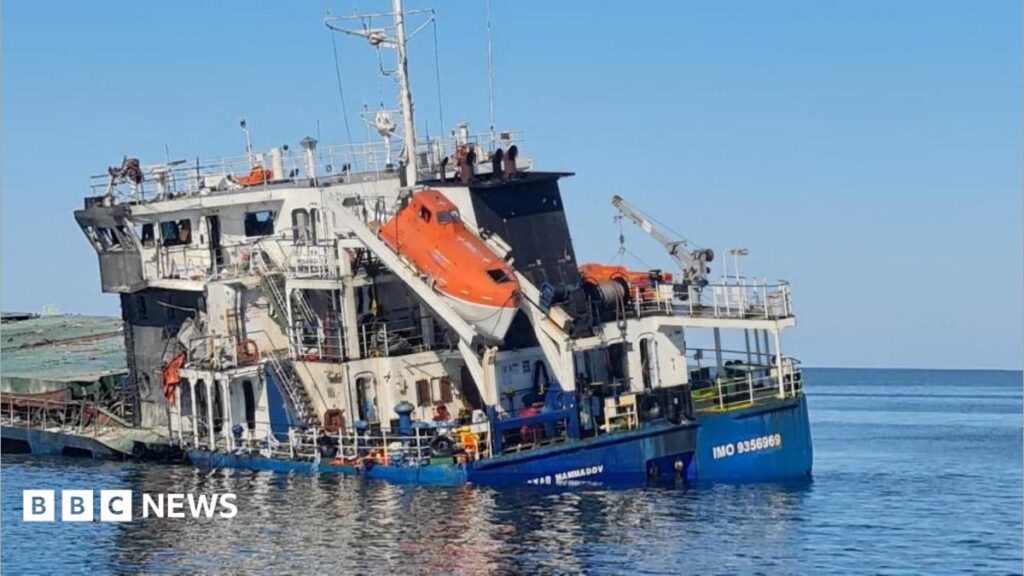
Zelensky condemns Russian strike on Turkish corn ship in Black Sea, captain killed
Background: Ukraine’s grain lifeline and the Black Sea corridor
Since the Russian invasion began in 2022, Ukraine has remained one of the world’s top exporters of wheat, corn and barley. The Black Sea grain corridor, brokered by the United Nations and Turkey in July 2022, was designed to keep ships moving despite the war, allowing roughly 30 million tonnes of grain to reach markets each year.
For many African nations, especially those that import more than half of their staple cereals, Ukrainian grain is a price‑stabilising anchor. Countries such as Egypt, Nigeria, Kenya and Tanzania rely on the Black Sea shipments to keep bread and porridge affordable for millions of households.
The attack: what happened and Zelensky’s response
On October 4, a Russian missile struck a Turkish‑owned vessel, the MV Bosphorus Star, which was sailing under a Ukrainian flag and loaded with 5,800 tonnes of corn bound for Egypt. The ship’s captain, 48‑year‑old Ahmet Yıldız, was killed instantly, while 11 crew members were rescued by a nearby Ukrainian patrol boat.
Ukrainian President Volodymyr Zelensky condemned the strike as “horrific” and a direct violation of the grain‑export agreement. In a televised address, he warned that such attacks threaten not only Ukrainian livelihoods but also global food security, especially in regions already grappling with climate‑driven shortages.
Why it matters for Africa: food security on a knife‑edge
The loss of a single corn‑laden ship may seem modest in the context of a global trade network, but for Africa the impact is amplified. The United Nations Food and Agriculture Organization estimates that a 10 percent drop in Ukrainian grain supplies could push cereal prices up by 12‑15 percent across the continent, squeezing already vulnerable households.
Egypt, the world’s largest wheat importer, sources about 20 percent of its grain from Ukraine. A disruption in corn shipments forces the country to turn to more expensive alternatives from the United States or Brazil, raising the cost of animal feed and, consequently, meat and dairy prices for Egyptian consumers.
A broader pattern: Russia’s targeting of grain logistics
The strike follows a series of reported Russian attacks on merchant vessels in the Black Sea since early 2023. Analysts say the strategy aims to pressure Kyiv by choking its export revenue while also leveraging grain shortages as a geopolitical bargaining chip.
Western officials have warned that repeated violations of the grain deal could trigger sanctions on Russia’s maritime assets and jeopardise any future negotiations on a ceasefire. The pattern also underscores the vulnerability of a supply chain that depends on a narrow sea lane through a contested war zone.
Reactions across the continent and among the diaspora
African foreign ministries have issued statements urging all parties to respect the grain corridor. Kenya’s ambassador to the UN called the attack “a direct threat to food‑insecure populations in East Africa,” while Nigeria’s Ministry of Trade warned that higher corn prices could ripple through its domestic poultry sector.
The African diaspora in Europe and North America, many of whom maintain family ties to farmers in the Sahel, have taken to social media to highlight the human cost of the strike. Community groups are lobbying their host governments to pressure the EU into stronger enforcement of the UN‑Turkey agreement.
What’s next: diplomatic pressure and alternative routes
The United Nations is convening an emergency meeting of the Security Council to discuss enforcement mechanisms for the grain deal, including possible naval escorts for vulnerable vessels. Turkey, as the deal’s co‑broker, has pledged to increase patrols around the Black Sea’s main shipping lanes.
African importers are also looking at diversification. Ethiopia has begun negotiating larger corn contracts with Brazil, while South Africa is expanding its domestic grain‑storage capacity to buffer against future disruptions. These moves, however, will take months to materialise and cannot fully offset the immediate shock caused by the October 4 attack.
Quick Answers
What cargo was on the ship hit by Russia in the Black Sea?
The vessel was carrying about 5,800 tonnes of corn destined for Egypt.
How could the strike affect food prices in Africa?
A reduction in Ukrainian grain shipments can lift cereal prices across the continent by up to 15 percent, raising the cost of staples and animal feed.
What steps are being taken to protect grain shipments?
The UN, Turkey and several NATO navies are discussing increased escort patrols and stricter monitoring of the Black Sea corridor.
Source: www.bbc.co.uk



💬 Comments 0