Zelensky faces corruption questions after Mykhailo Fedorov’s BBC interview, minister urges wartime elections in Ukraine 2026
Background: Ukraine’s political turbulence amid war
Since Russia’s full‑scale invasion in February 2022, Ukraine has been under constant pressure to keep its government functional while fighting on multiple fronts. President Volodymyr Zelensky has relied on a coalition of technocrats, reformers and wartime generals to sustain the war effort and keep the economy afloat. The war has also amplified scrutiny of corruption, as donors and partners demand transparent use of billions of dollars in aid.
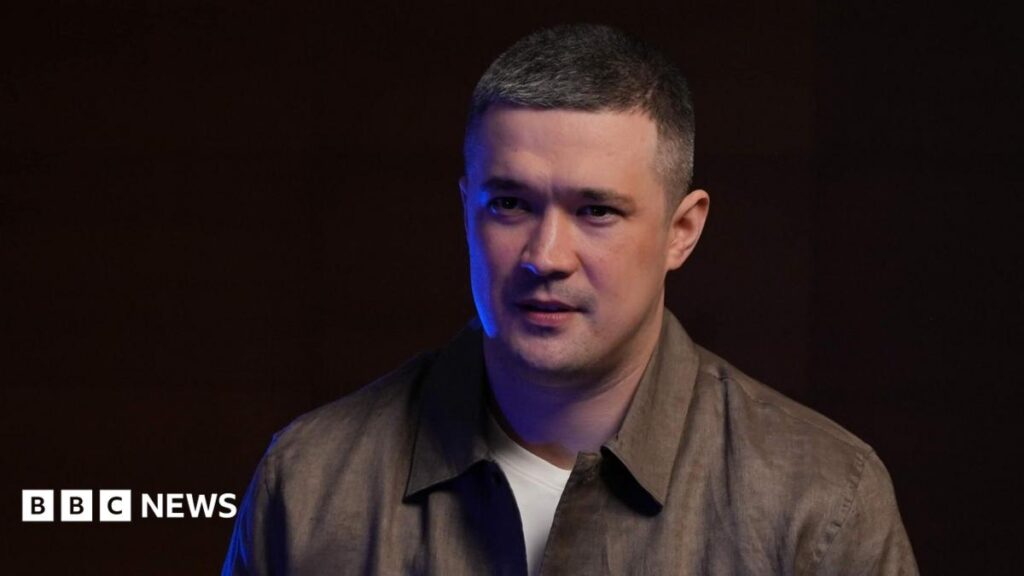
In late July 2026, Mykhailo Fedorov, Ukraine’s former minister of digital transformation who was dismissed in a cabinet reshuffle earlier this year, sat down with the BBC for an interview that quickly went viral. Fedorov, a close ally of Zelensky during the early days of the conflict, alleged that the president may have been aware of high‑level graft but never acted to stop it. The claim adds a new layer of tension to an already fraught political climate.
The sacked minister’s accusation: What Fedorov said
During the interview, Fedorov said Zelensky should be asked directly what he knew about a series of corruption scandals that have surfaced since the war began, including alleged kick‑backs in defence contracts and the misallocation of humanitarian aid. He did not present new documentary evidence, but he argued that the president’s silence on the matter suggests at least a “political responsibility” to answer questions in a public forum.
Fedorov’s remarks were echoed by a handful of opposition MPs who have been pressing for a parliamentary inquiry. However, the president’s office dismissed the accusations as “politically motivated” and insisted that anti‑corruption agencies are already conducting independent investigations. The clash highlights a growing rift between Zelensky’s inner circle and a vocal minority that wants greater accountability, even in wartime.
Call for wartime elections: A push for legitimacy
Alongside the corruption charge, Fedorov urged Ukraine to hold “wartime elections” before the end of 2026. He argued that a fresh mandate would reinforce democratic legitimacy and give citizens a chance to evaluate the leadership that has guided the country through five years of conflict. The proposal has sparked a debate among scholars, who warn that elections in a war zone could be logistically impossible and could expose voters to security risks.
Supporters of the idea point to historical precedents, such as Israel’s 2021 elections held during the Gaza conflict, suggesting that democracy can survive even under fire. Critics, however, note that Ukraine’s electoral infrastructure has been damaged in several front‑line oblasts, and that the International Monetary Fund has warned that premature elections could destabilise the already fragile fiscal recovery.
Why it matters for Africa: Food security, aid flows and investment risk
Ukraine’s ability to manage corruption and maintain political stability directly impacts Africa, where millions depend on grain shipments from the Black Sea. In 2022‑23, Ukraine supplied roughly 30 % of the continent’s wheat imports, and any disruption caused by political turmoil can exacerbate food‑price spikes that already strain economies from Nigeria to Kenya. Corruption allegations risk eroding donor confidence, potentially slowing the release of emergency food aid that many African governments rely on.
Beyond food, African investors have been watching Ukraine’s reform agenda closely. Several tech start‑ups from Nairobi and Lagos have secured venture funding linked to Ukraine’s digital‑economy projects, especially in fintech and blockchain. A perception that the Ukrainian government is riddled with unchecked corruption could deter future African capital, limiting cross‑border tech collaborations that have been a bright spot in the post‑war recovery narrative.
The Ukrainian diaspora in Africa, though small, also feels the ripple effects. Community groups in South Africa and Tanzania have organised fundraising drives for Ukrainian refugees. A credible, transparent Ukrainian leadership can help maintain the diaspora’s morale and encourage continued support, whereas ongoing accusations may sap enthusiasm and reduce the flow of private aid.
What comes next: Investigations, possible elections and international response
In the short term, the National Anti‑Corruption Bureau of Ukraine (NABU) has announced it will review the claims raised by Fedorov, though it has not set a public timetable. International partners, including the EU and the United States, have pledged to keep monitoring the situation, warning that any proven misconduct could trigger a review of military and financial assistance packages.
If the call for wartime elections gains traction, the Ukrainian parliament will need to pass a special law outlining voting procedures in contested territories. Analysts predict that a narrow window for such a vote could appear in early 2027, once front‑line fighting eases in the south. Whether the elections will be seen as a genuine democratic renewal or a political stunt will largely depend on the transparency of the process and the outcomes of the corruption probes.
For African stakeholders, the key takeaway is to stay attuned to how Kyiv’s internal politics evolve, because the stability of Ukraine’s export capacity and the credibility of its anti‑corruption reforms will continue to shape food‑security strategies across the continent. NGOs, governments and private investors should prepare contingency plans that account for possible supply disruptions and seek diversified sourcing to mitigate risk.
Quick Answers
What did Mykhailo Fedorov accuse President Zelensky of?
Fedorov said Zelensky should be asked what he knew about alleged corruption in defence contracts and aid distribution, suggesting the president may have been aware but did not act.
How could Ukraine’s corruption scandal affect Africa?
If donor confidence wanes, aid shipments of Ukrainian grain to Africa could be delayed, worsening food‑price pressures in many African countries.
Is Ukraine planning wartime elections in 2026?
Fedorov urged the government to hold elections before the end of 2026, but no official schedule has been announced yet.
Source: www.bbc.co.uk



💬 Comments 0