Zhu Rongji, China’s 1990s reform architect, dies at 97 – impact on Africa‑China trade
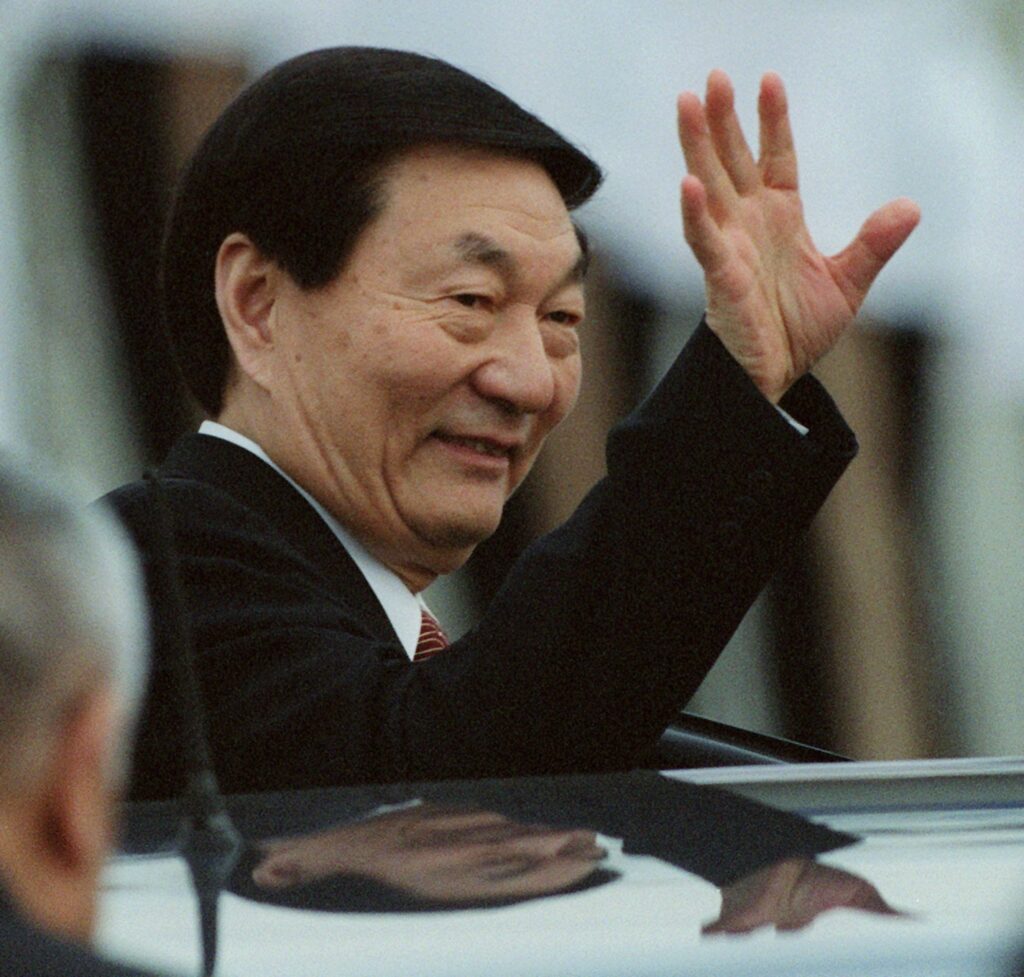
Zhu Rongji’s reforms: the blueprint for modern China
When Zhu Rongji took the helm as Premier in 1998, China was emerging from a decade of fiscal chaos, soaring inflation and a fragmented state‑owned sector. Over the next five years he launched a hard‑nosed program that slashed over‑capacity, introduced market‑based pricing for electricity and steel, and forced the most inefficient state enterprises into bankruptcy or consolidation. By tightening fiscal discipline and opening the financial system to foreign capital, Zhu set the conditions for China’s 2001 accession to the World Trade Organization, a move that vaulted the country onto the global trade stage and cemented its role as the world’s factory floor.
Zhu’s version of market‑oriented reform was never meant to dilute Communist Party control; instead, he crafted a hybrid model where the state retained strategic oversight while allowing private entrepreneurship to flourish. This “socialist market economy” gave rise to massive export surpluses, a booming middle class and, crucially, a surplus of capital that the Chinese government could deploy abroad. The policy legacy that Zhu left behind still underpins Beijing’s ability to finance overseas infrastructure projects and to negotiate trade deals from a position of financial strength.
From Shenzhen to Lagos: how Zhu’s policies paved the way for China‑Africa engagement
The flood of Chinese capital into Africa in the 2000s can be traced directly to the fiscal cushions created by Zhu’s reforms. With a healthier balance sheet, state banks were free to lend to Chinese construction firms that, in turn, built roads, ports and power plants across the continent. Countries such as Kenya, Ethiopia and Nigeria signed multi‑billion‑dollar deals for railways and industrial parks that would have been impossible without the surplus financing generated by Zhu’s domestic policies.
Beyond hard infrastructure, Zhu’s emphasis on export‑driven growth encouraged Chinese manufacturers to look for new markets for their goods. African consumers, increasingly urbanised and connected, became a natural destination for everything from mobile phones to cheap clothing. By the time of his death, China had become Africa’s largest trading partner, accounting for roughly 40 % of the continent’s total trade, a relationship that owes its scale to the economic foundations Zhu built in the 1990s.
What his death signals for Beijing’s current economic direction
Zhu’s passing comes at a moment when Xi Jinping’s administration is steering China away from the liberal‑market tilt that characterized the post‑Zhu era. Xi has emphasized “common prosperity” and tightened regulation of tech giants, while also expanding the Belt and Road Initiative (BRI) into sectors like digital infrastructure and green energy. Analysts note that the absence of a reform‑savvy elder statesman like Zhu could reduce internal debate about how far the state should intervene in the economy, potentially accelerating a return to more centralized control (according to a senior economist at the Asian Development Bank).
Nevertheless, the institutional reforms Zhu introduced—transparent budgeting, stricter bank supervision and a more predictable legal framework—remain embedded in China’s governance. Even as Beijing experiments with tighter political oversight, the mechanisms that enable large‑scale overseas lending and trade are unlikely to be dismantled overnight. The real question, therefore, is whether future leaders will use Zhu’s market tools to diversify China‑Africa cooperation beyond infrastructure, or whether they will double‑down on debt‑heavy projects that risk over‑exposure for African partners.
African leaders and diaspora weigh in on the loss
Across the continent, heads of state issued muted condolences, highlighting Zhu’s role in “deepening China‑Africa friendship.” Ghana’s president praised his “vision that helped build roads and schools,” while Nigeria’s finance minister called him “a catalyst for the flow of investment that powered our industrial zones.” In the diaspora, Nigerian and Kenyan business councils in London and New York posted tributes noting that many of their companies owe their initial overseas contracts to the wave of Chinese projects that followed Zhu’s reforms.
Critics, however, used the moment to remind policymakers that the benefits of those projects have been uneven. NGOs in South Africa and Kenya argued that the debt burden tied to early BRI deals—made possible by the fiscal surplus Zhu created—still haunts some governments. The diaspora commentary reflected this nuance, urging African leaders to negotiate more balanced terms and to push for technology transfer, rather than simply accepting low‑cost construction.
Looking ahead: the future of China‑Africa trade and investment
The immediate practical impact of Zhu’s death on trade flows will be limited; the mechanisms he put in place are institutional, not personal. Yet his passing may accelerate a strategic reassessment in Beijing as it seeks to project continuity while navigating domestic pressures. For African markets, the likely scenario is a continuation of Chinese capital, but with a sharper focus on sectors that align with Xi’s climate and digital agendas—solar farms, 5G networks and e‑logistics hubs. Companies that can bundle African value chains with Chinese technology stand to gain, especially as China looks to diversify its overseas portfolio away from pure infrastructure debt.
African policymakers are being urged to leverage the legacy of Zhu’s reforms to negotiate smarter deals. By insisting on joint‑venture structures, local content clauses and clearer repayment schedules, they can turn the historic debt‑laden model into a partnership that fosters skills development and export diversification. If successful, the next decade could see a shift from “China builds, Africa pays” to “China and Africa co‑create,” a transformation that would honor Zhu’s market‑oriented vision while addressing the criticisms that have emerged in recent years.
Quick Answers
When did Zhu Rongji die?
Zhu Rongji passed away on August 12, 2026, at the age of 97.
What were Zhu Rongji’s main economic reforms?
He slashed state‑owned enterprise overcapacity, introduced market‑based pricing, tightened fiscal discipline and led China into WTO membership, creating a socialist market economy.
How might Zhu Rongji’s death affect China‑Africa trade?
While his death won’t change existing trade flows, it may prompt Beijing to reassess how it leverages the market‑oriented tools he created, potentially shifting focus toward greener and digital projects in Africa.
Source: www.npr.org




💬 Comments 0