Abdul El‑Sayed faces hate attacks in Michigan Senate race 2026 – US Muslims stay resilient, urge vote for Democrats
Background: Michigan’s Muslim electorate and Abdul El‑Sayed’s candidacy
Michigan has become a focal point for Muslim political power in the United States, largely because of its sizable Somali community, which numbers over 150,000 and is one of the largest African‑diaspora groups in the country. The community’s growing civic engagement has turned the state into a micro‑cosm of broader Muslim voter trends across the nation.
Abdul El‑Sayed, a former Detroit health commissioner and a Muslim of Egyptian‑American descent, announced his bid for the U.S. Senate in early 2025. His platform blends progressive public‑health policies with a strong stance on immigration and civil‑rights protections, resonating with both African‑American and African‑diaspora voters who see him as a bridge between minority communities and the Democratic establishment.
The hate incidents: what happened to El‑Sayed and the community
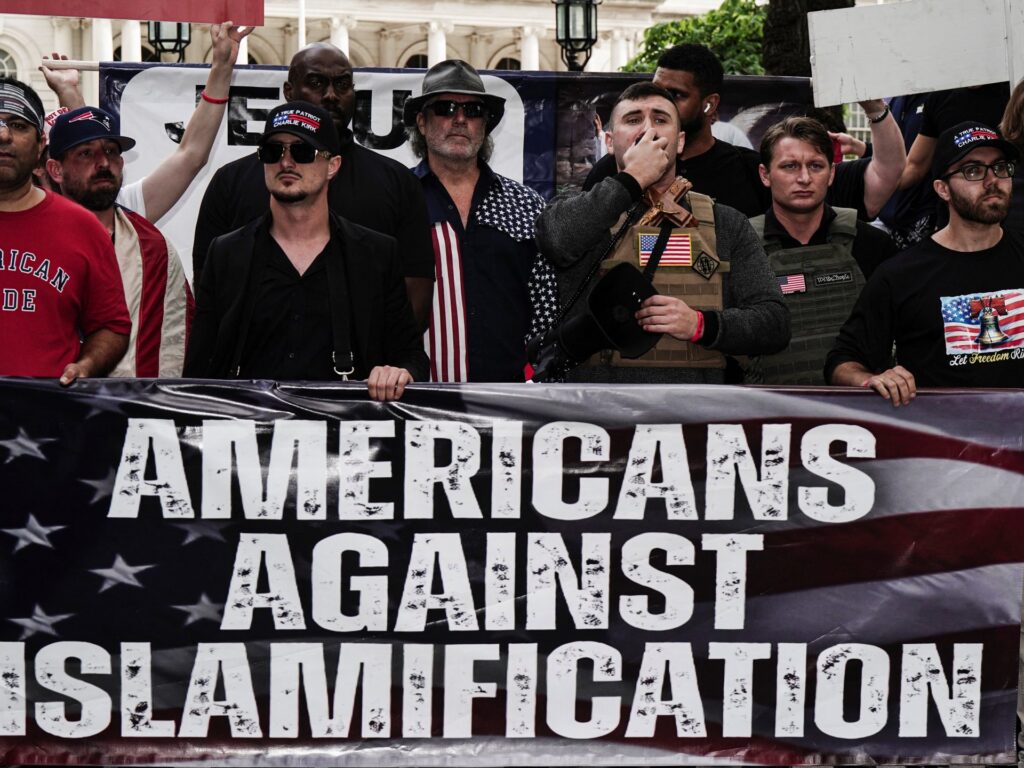
In July 2026, El‑Sayed’s campaign office in Dearborn was vandalised with anti‑Islamic graffiti, and a series of threatening phone calls were reported to the FBI. Two days later, a protest that began as a peaceful rally outside his home turned violent after a handful of agitators shouted slurs and attempted to set fire to a nearby mosque. Police arrested three suspects, but the incidents sparked fear across the state’s Muslim neighborhoods.
Community leaders say the attacks are part of a rising wave of Islamophobic hate that has intensified since the 2024 presidential election. According to the Council on American‑Islamic Relations, hate crimes targeting Muslims in the U.S. rose by 23 % in the past year, with Michigan accounting for a disproportionate share of the incidents.
Why the attacks matter for African‑diaspora voters in Michigan
The Somali and other East‑African immigrant communities in Michigan have long relied on local politics to secure resources for language‑access services, refugee resettlement, and small‑business development. An attack on a candidate who openly champions those issues is perceived as a direct threat to the community’s political capital.
Many African‑diaspora voters view El‑Sayed’s campaign as a test case: if a Muslim candidate can survive hate‑driven intimidation and still win, it could open doors for more African‑born politicians at state and federal levels. Conversely, a loss could reinforce the narrative that minority candidates remain vulnerable in hostile political climates.
Broader trend: Islamophobia and political mobilisation ahead of the 2026 Senate race
The hate attacks on El‑Sayed echo a national pattern where Muslim candidates are targeted during pivotal elections. In 2022, two Muslim city council members in Texas were subjected to coordinated online harassment, and in 2024, a Muslim congressional hopeful in Pennsylvania withdrew after receiving death threats. These incidents have spurred a new wave of political mobilisation among Muslim advocacy groups.
Organizations such as the Muslim Public Affairs Council and the African‑American Muslim Alliance have launched voter‑registration drives in Detroit, Dearborn, and other Michigan suburbs, emphasizing that a Democratic Senate win would provide a legislative ally against hate‑crime legislation roll‑backs and funding cuts for community services.
Reactions and the call to vote Democratic
In a press conference last week, El‑Sayed urged Muslims and allies to view the attacks as a rallying cry rather than a deterrent, stating that “the best response is to turn hate into votes.” He highlighted the Democratic Party’s recent commitment to expanding the Hate Crimes Prevention Act and increasing funding for civil‑rights enforcement as concrete reasons to support the party’s Senate candidate.
Local Somali leaders echoed the sentiment, noting that Democratic candidates have historically backed initiatives that benefit immigrant entrepreneurs, such as the Small Business Relief Fund introduced after the 2023 supply‑chain crisis. According to a spokesperson for the Somali Community Development Center, “our community’s future hinges on electing officials who understand the intersection of public‑health, immigration, and economic inclusion.”
What’s next: implications for the 2026 election and US‑Africa relations
The Senate race in Michigan is now seen as a bellwether for how the Democratic Party will address religious‑based hate in the upcoming midterms. If El‑Sayed secures the nomination and wins the general election, it could cement a policy agenda that prioritises anti‑hate legislation, which would have ripple effects on U.S. foreign policy toward Muslim‑majority African nations, especially in the Horn of Africa where diaspora lobbying is strong.
Analysts also warn that the Republican opponent is likely to double‑down on “law‑and‑order” rhetoric, framing the hate incidents as isolated crimes rather than systemic issues. The outcome will therefore shape not only Michigan’s representation in Washington but also the tone of U.S. engagement with African‑diaspora communities that are increasingly vocal about foreign‑policy decisions affecting their homelands.
Quick Answers
Who is Abdul El‑Sayed?
Abdul El‑Sayed is a former Detroit health commissioner and the Democratic candidate for the U.S. Senate seat from Michigan in the 2026 election.
How have hate attacks affected Muslim voters in Michigan?
The attacks have heightened fear but also spurred voter‑registration drives, with many Muslims seeing the election as a chance to protect their community’s political gains.
What could a win for El‑Sayed mean for African‑diaspora communities?
A victory would likely strengthen policies that fund immigrant businesses, expand civil‑rights protections, and influence U.S. foreign‑policy stances toward Muslim‑majority African nations.
Source: www.aljazeera.com



💬 Comments 0