Asian Games 2026 Chaos in Japan: Hotel Overbookings, Transport Failures & Diplomatic Blunders
Why Japan’s Asian Games Were Expected to Shine
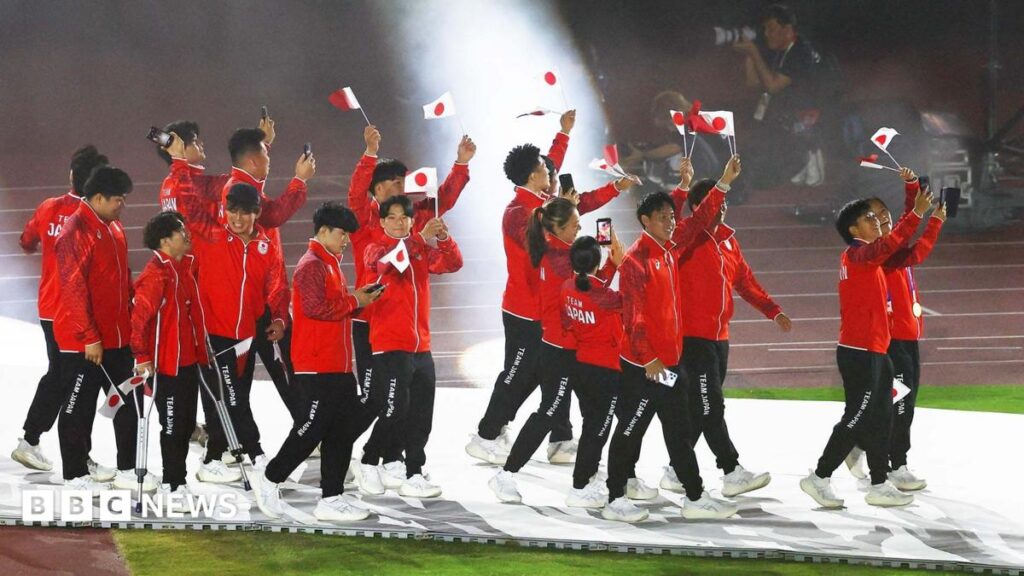
When Nagoya was awarded the 2026 Asian Games in 2019, the Japanese Olympic Committee promised a showcase of cutting‑edge technology, flawless logistics and a cultural extravaganza that would rival the Olympics. The city’s reputation for punctual trains, immaculate public spaces and a hospitality industry that routinely serves millions of tourists was central to the bid’s narrative. Organisers also highlighted a partnership with a global event‑management firm, hoping to set a new benchmark for large‑scale multisport festivals in Asia.
The stakes were high for Japan because the Asian Games are the continent’s second‑largest sporting event, drawing over 10,000 athletes from 45 nations and an estimated 300,000 spectators. Success would reinforce Japan’s post‑Tokyo‑2020 legacy, attract future bids for world championships, and boost regional tourism. For many Asian nations, the Games are a platform to test athletes ahead of the 2028 Los Angeles Olympics, making flawless execution a matter of sporting credibility.
Hotel Overbookings and Transport Gridlock: What Went Wrong
From the opening ceremony, athletes and delegations reported that booked rooms were either unavailable or double‑assigned, forcing teams to scramble for last‑minute accommodation. Sources inside the Japanese Ministry of Land, Infrastructure, Transport and Tourism said the booking platform, managed by the contracted firm, suffered a software glitch that failed to sync real‑time inventory across 150 hotels. The result was a cascade of overbookings that left dozens of national teams sleeping in conference centres or temporary dormitories.
Transport proved equally chaotic. The promised “smart‑shuttle” fleet, equipped with AI‑driven routing, broke down after a cyber‑security alert forced the system to revert to manual dispatch. Buses stalled at key venues, and athletes missed scheduled warm‑ups. The Japan Railways Group, usually praised for its punctuality, issued a public apology after a scheduling error left the main stadium without a direct train connection for three consecutive days. The mishaps sparked protests from athletes’ unions demanding compensation and better coordination.
Diplomatic Missteps That Amplified the Crisis
Beyond logistics, the Games were marred by a series of diplomatic blunders. A misprinted invitation omitted the name of the Saudi Arabian delegation, prompting a formal complaint that was only corrected after a day‑long media frenzy. In another incident, a Japanese official mistakenly referred to the Indian team’s mascot as “a caricature of a colonial figure,” igniting social‑media backlash across South Asia. According to reports from the Asian Sports Confederation, these errors strained relationships that are usually built on mutual respect at multisport events.
The diplomatic fallout extended to sponsorships. A major Chinese technology sponsor threatened to withdraw funding after a press conference where a Japanese spokesperson inadvertently used a phrase that was interpreted as a slight against Taiwan’s participation. The sponsor’s eventual decision to stay was contingent on a public apology and a revised press‑release protocol. These incidents highlight how fragile the political balance is when a single event brings together nations with complex histories.
What the Asian Games Chaos Means for African Hosts
African nations eyeing future continental and global events are watching Japan’s missteps closely. The African Union’s Sports Commission has cited the 2026 Games as a cautionary tale in its latest briefing to prospective hosts for the 2030 Commonwealth Games and the 2034 FIFA World Cup. The brief stresses that reliance on a single technology vendor, without robust local backup plans, can amplify failures in environments where infrastructure is already stretched.
For South Africa, Kenya and Nigeria—countries that recently hosted the African Games and the All‑Africa Games respectively—the Japanese experience underscores the importance of transparent procurement and real‑time data sharing with hotels, airlines and local transport agencies. In Nairobi’s bid for the 2032 Asian‑Africa Youth Games, officials have already mandated a dual‑vendor system for accommodation bookings and a contingency fleet of locally owned minibusses, lessons directly drawn from the Nagoya fiasco.
Looking Ahead: Reforms, Accountability and Opportunities
In response to the outcry, Japan’s Sports Ministry announced a three‑phase remediation plan. Phase one involves an independent audit of the event‑management firm’s software, with a deadline of December 2026. Phase two will establish a “Rapid‑Response Logistics Unit” staffed by former disaster‑relief coordinators, tasked with reallocating resources within 24 hours of any disruption. Phase three proposes a new diplomatic liaison office to vet all communications before they go public, aiming to prevent future cultural missteps.
The broader implication for the international sports calendar is a growing demand for “resilience clauses” in hosting contracts. Organisers worldwide are now expected to demonstrate not just capacity but also contingency depth. For African markets, this shift could open doors for home‑grown tech firms specializing in event logistics, as global partners look for diversified risk‑management solutions. In that sense, the chaos in Japan may inadvertently accelerate the rise of African startups in the sports‑tech ecosystem.
Quick Answers
What caused the hotel chaos at the 2026 Asian Games in Japan?
A software glitch in the booking platform used by the event‑management firm led to overbookings and double‑assigned rooms across dozens of hotels.
How might the Asian Games problems affect future African sports events?
African bidding committees are adopting stricter backup plans and dual‑vendor strategies, learning from Japan’s logistical failures to avoid similar disruptions.
Did any diplomatic incidents occur during the Games?
Yes, misprinted invitations, a controversial mascot comment, and a sponsor‑threatening statement over Taiwan all sparked diplomatic tensions.
Source: www.bbc.co.uk



💬 Comments 0