Caleb Flynn convicted of murdering wife Ashley in Ohio: former American Idol contestant sentenced in 2026 domestic violence case
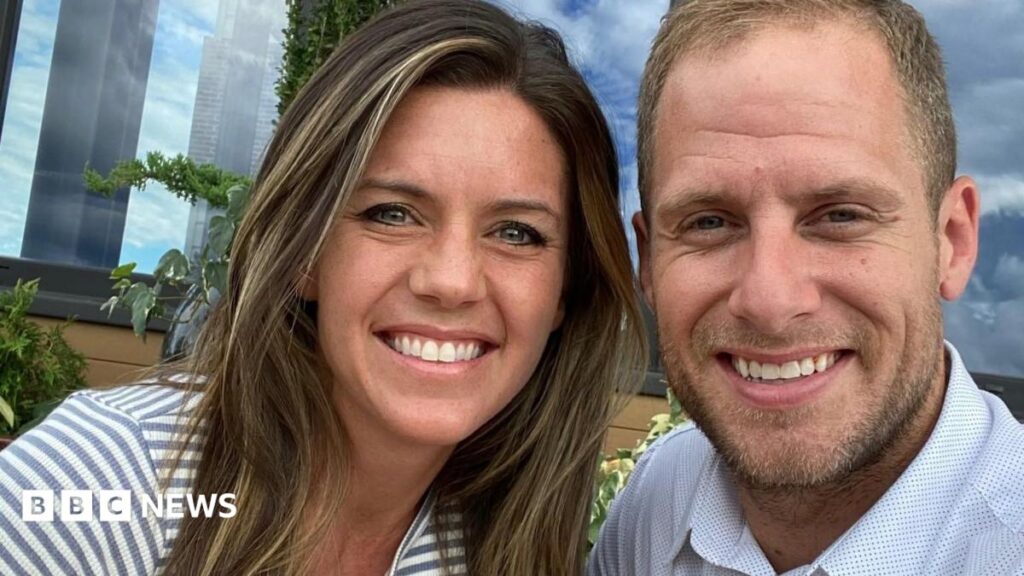
From TV Spotlight to Courtroom Drama
Caleb Flynn, who rose to national attention as a contestant on the 2022 season of "American Idol," saw his public image crumble after the murder of his wife, Ashley Flynn, in their suburban Ohio home. The case, which culminated in a guilty verdict on September 26, 2026, has drawn a stark contrast between the optimism of a reality‑TV hopeful and the grim reality of a violent crime. Flynn’s journey from the stage to a courtroom bench underscores how quickly fame can be eclipsed by personal downfall.
The trial was closely followed by both entertainment journalists and true‑crime enthusiasts, partly because Flynn’s dual identity as a pastor and a former contestant added layers of intrigue. While the former "Idol" hopeful had previously leveraged his musical talent to attract a following on social media, the courtroom footage showed a starkly different side: a man in tears as the verdict was read, a scene that quickly went viral on platforms like TikTok and Twitter.
Legal experts note that the case also highlights the challenges of high‑profile defendants navigating the criminal justice system. According to a spokesperson for the Cuyahoga County Prosecutor’s Office, the evidence against Flynn was “overwhelming,” including ballistics reports, DNA traces, and a recorded 911 call made by a neighbor who heard gunshots. The prosecution’s case left little room for the defense to argue reasonable doubt, despite Flynn’s attempts to claim a “momentary lapse of judgment.”
Domestic Violence and Celebrity: A Growing Concern
Flynn’s conviction adds to a troubling pattern where public figures—especially those with a religious or moral veneer—are implicated in domestic abuse. In the past decade, several high‑profile cases, from musicians to athletes, have revealed that fame does not shield perpetrators from accountability. The Flynn case is being cited by advocacy groups as a reminder that domestic violence can occur behind any façade, regardless of celebrity status.
The National Coalition Against Domestic Violence (NCADV) released a statement after the verdict, urging media outlets to avoid glorifying the perpetrator’s past achievements when covering such crimes. “We need to keep the focus on the victim and the systemic failures that allow abuse to continue,” the statement read. This perspective is gaining traction as more victims’ families demand respectful coverage that does not re‑elevate the offender’s fame.
Researchers at the University of Ohio’s School of Social Work have begun a study to examine whether reality‑TV fame correlates with higher rates of reported domestic incidents. Preliminary data suggest that the intense public scrutiny and pressure associated with rapid fame can exacerbate underlying mental‑health issues, though the study cautions against drawing definitive causal links without further research.
Legal Ramifications and Sentencing Outlook
Flynn was found guilty of first‑degree murder, a charge that carries a mandatory life sentence in Ohio, with the possibility of parole after 25 years. The sentencing hearing, scheduled for early November 2026, will determine whether the judge imposes the death penalty—a rare outcome in Ohio since the state’s moratorium on executions was lifted in 2024. Legal analysts say the presence of aggravating factors, such as the premeditated nature of the shooting, could sway the decision.
Defense attorneys have filed a motion for a reduced sentence, citing Flynn’s mental‑health history and his role as a pastor, arguing that he suffered a “psychotic break.” However, prosecutors argue that these claims are a tactic to mitigate responsibility and point to forensic psychologists who evaluated Flynn and concluded he was fully aware of his actions at the time of the shooting.
If the death penalty is pursued, the case could become a focal point in the broader national debate over capital punishment. Ohio’s governor, Mike DeWine, recently signed legislation tightening the criteria for death‑row eligibility, meaning any such sentence would undergo a rigorous appellate review. The outcome could set a precedent for how high‑profile murder cases are handled in the state moving forward.
Impact on the American Idol Franchise and Reality TV Ethics
The "American Idol" brand has been quick to distance itself from Flynn, removing his performances from the show’s official YouTube channel and issuing a brief statement that “the series does not condone any form of violence.” While the network has not announced any policy changes, industry insiders suggest that talent‑search programs may now implement stricter background checks and post‑show monitoring for contestants who gain sudden fame.
Media ethicists argue that reality‑TV producers have a responsibility to provide resources—such as counseling and financial planning—to participants who experience abrupt life changes. A former producer for a competing talent show told reporters that after several high‑profile scandals, networks are considering mandatory mental‑health evaluations before contestants are signed to long‑term contracts.
The fallout also raises questions about the audience’s role in creating celebrity culture. Social media analysts note that the rapid rise and fall of figures like Flynn are amplified by algorithms that prioritize sensational content. As viewers, the public may need to reflect on how consumption patterns contribute to a cycle where personal tragedy becomes headline fodder.
What This Means for Communities and Future Prevention
For the community in Cleveland’s suburb where the murder occurred, the case has sparked a renewed focus on neighborhood safety initiatives. Local law enforcement announced plans to increase patrols and expand a domestic‑violence hotline that was underutilized before the incident. City councilwoman Maya Patel emphasized that “no one should feel unsafe in their own home, regardless of who lives there.”
Faith‑based organizations, particularly those that had previously partnered with Flynn’s church, are reevaluating their vetting processes for clergy. A coalition of African‑American churches in Ohio released a joint communiqué urging congregations to adopt stricter accountability measures for leaders, highlighting that religious authority should never be a shield against criminal behavior.
On a broader scale, the Flynn case may influence legislative efforts aimed at tightening gun‑ownership laws for individuals with documented histories of domestic disputes. While Ohio’s current statutes already restrict firearm possession for those with restraining orders, lawmakers are debating whether to expand the definition of “intimate partner violence” to include a wider array of behaviors, potentially preventing future tragedies.
Quick Answers
What was Caleb Flynn convicted of?
Caleb Flynn was found guilty of first‑degree murder for shooting his wife Ashley Flynn in their Ohio home.
When will Caleb Flynn be sentenced?
Flynn’s sentencing hearing is set for early November 2026, where he could receive life imprisonment or, potentially, the death penalty.
How does this case affect the American Idol brand?
The show has removed Flynn’s performances from its platforms and issued a statement distancing itself from the crime, prompting industry discussions on contestant support and background checks.
Source: www.bbc.co.uk




💬 Comments 0