Trump mocks reporter on Iran strikes, Tehran says US derailed – implications for oil markets and Africa Oct 2026
Background: A volatile US‑Iran relationship under Trump
Since the 2020 assassination of Qasem Soleimani, the United States and Iran have been locked in a high‑stakes diplomatic tug‑of‑war. Successive administrations have oscillated between sanctions, limited strikes and diplomatic overtures, leaving the region in a perpetual state of tension. Donald Trump’s second term, which began in January 2025, revived a confrontational rhetoric, repeatedly threatening “maximum pressure” while also courting hard‑line allies in the Gulf.
The president’s communication style—often blunt, sometimes mocking—has become a hallmark of his foreign‑policy messaging. Press briefings and town‑hall meetings have turned into stages where policy signals are delivered in off‑the‑cuff remarks, making it difficult for analysts to parse genuine intent from theatricality. This pattern has heightened uncertainty among allies and adversaries alike, especially when it involves potential military action against Iran.
The incident: Trump’s sarcastic reply and Tehran’s counter‑claim
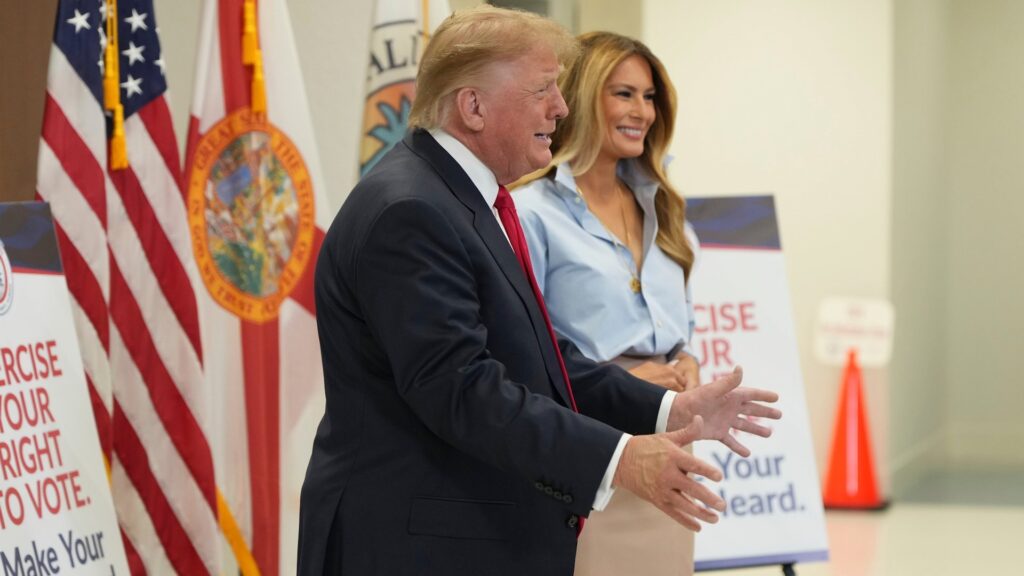
During a White House press conference on October 24, 2026, a reporter asked President Trump whether the United States was considering a new round of strikes on Iranian military sites. Trump responded with a dry, “I don’t know, maybe you should ask the Iranian people,” before adding a chuckle that many interpreted as mockery. The exchange was captured on multiple news feeds and quickly spread across social media platforms.
Iran’s foreign ministry, in a statement released the following day, accused the United States of “derailing any possible diplomatic resolution” and warned that such rhetoric could “push Tehran to reconsider its restraint.” The ministry’s spokesperson, Ali Bagheri Kani, said the comment was “an unnecessary provocation that endangers regional stability.” While no immediate military response followed, the diplomatic back‑and‑forth underscored how quickly words can translate into policy pressure.
Why it matters: Security stakes and oil market volatility
Even a seemingly off‑hand remark from the U.S. president can ripple through global security calculations. Military planners in Washington and Tehran monitor such statements for clues about intent, and a perceived escalation often triggers heightened alert levels in the Gulf. The Persian Gulf is a chokepoint for roughly 20 % of the world’s oil shipments; any disruption can cause price spikes that reverberate far beyond the Middle East.
In the days after the exchange, Brent crude rose by 2.3 %, while West African oil exporters—particularly Nigeria and Angola—saw their export revenues dip as buyers hedged against potential supply shocks. The volatility also forced African central banks to adjust inflation forecasts, as higher oil import costs translate into rising consumer prices. For economies already grappling with fiscal deficits, the shock adds another layer of uncertainty.
African angle: How the US‑Iran spat touches the continent and its diaspora
Nigeria, Africa’s largest oil producer, maintains a delicate balance with both Washington and Tehran. Iranian firms have supplied drilling equipment to Nigerian fields since the early 2000s, and any US‑Iran escalation threatens to jeopardise those commercial ties. Moreover, the Nigerian diaspora in the United States watches the rhetoric closely, fearing that a broader conflict could affect travel visas and remittance flows, which account for roughly 30 % of Nigeria’s foreign exchange earnings.
Beyond Nigeria, countries like Kenya and South Africa host sizable Iranian student and business communities. Universities in Nairobi have reported a spike in inquiries about safety after the Trump‑Iran exchange, while South African investors with stakes in Iranian petrochemical projects are reassessing risk exposure. The broader African market, already sensitive to commodity price swings, now faces a double‑edged pressure: potential supply chain disruptions and a diplomatic climate that could reshape trade agreements.
What’s next: Diplomatic pathways and policy forecasts
Analysts say the immediate fallout will likely be a flurry of diplomatic notes rather than an outright military escalation. The United Nations Security Council is expected to convene a special session next week to discuss “regional de‑escalation,” with African members such as Egypt and South Africa pushing for a resolution that emphasizes dialogue over force. If the US continues to use sarcasm as a diplomatic tool, it may alienate moderate allies who prefer a more predictable approach.
For African policymakers, the episode underscores the need to diversify energy sources and deepen intra‑continental trade. The African Continental Free Trade Area (AfCFTA) could become a buffer against external shocks if member states accelerate projects that reduce reliance on Middle Eastern oil. Meanwhile, the diaspora will likely lobby both US and African governments for clearer travel advisories and safeguards for financial flows, ensuring that geopolitical drama does not unduly harm everyday lives.
Quick Answers
Did President Trump actually order a new strike on Iran?
No, Trump only responded sarcastically to a reporter’s question; there was no official order announced.
How could US‑Iran tensions affect oil prices in Africa?
Any risk of conflict in the Persian Gulf can tighten oil supplies, pushing global prices up and raising import costs for African oil‑importing nations.
What should African investors do amid the US‑Iran spat?
Diversify energy portfolios, monitor diplomatic developments, and consider regional trade agreements like AfCFTA to mitigate supply‑chain risks.
Source: www.aljazeera.com


💬 Comments 0