Canadian tourist convicted of animal cruelty after stealing Las Vegas Flamingo Peachy in 2026
The incident and court verdict
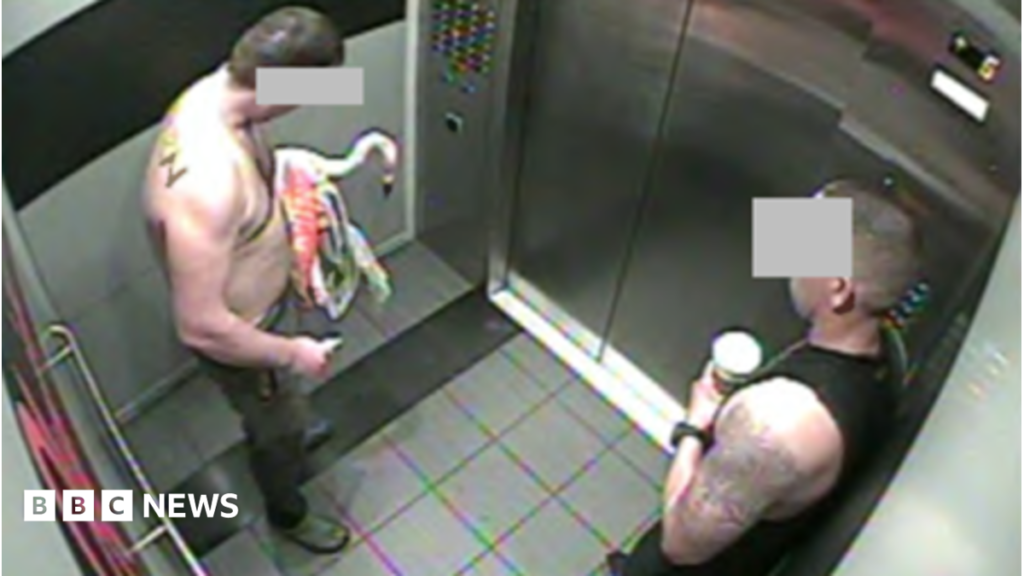
On June 12, 2026, a 32‑year‑old Canadian visitor to Las Vegas was arrested after he allegedly lifted a pink‑feathered flamingo named Peachy from its enclosure at the Flamingo Hotel and Casino. Surveillance footage showed the man, who had been drinking heavily, dragging the bird across the hotel lobby before security intervened. The tourist later told the court he had consumed 30 to 40 beers that night and "didn't mean any harm," but the judge found the act constituted animal cruelty under Nevada law.
A Clark County judge sentenced the man to 180 days in jail, a $5,000 fine, and a mandatory three‑year ban from all Nevada casinos and hotels. The decision was upheld on appeal, with the appellate court emphasizing the need for a deterrent message to other tourists who might view wildlife attractions as casual photo‑ops rather than living beings with legal protections.
Legal backdrop: Nevada's animal‑cruelty framework
Nevada's animal‑cruelty statutes were strengthened in 2021 after a series of high‑profile cases involving exotic pets and wildlife attractions. The law now defines any intentional act that causes physical injury or undue stress to an animal as a felony, regardless of whether the perpetrator intended to cause lasting damage. Prosecutors in this case relied on the updated language, arguing that dragging Peachy out of a secure habitat caused both physical trauma and severe stress to the bird.
Legal analysts note that the sentence aligns with recent trends in U.S. courts treating wildlife‑related offenses with the same seriousness as domestic‑animal abuse. According to a report from the Nevada Attorney General's office, convictions for animal cruelty have risen by 27 % since the 2021 amendments, reflecting both stricter enforcement and growing public awareness of animal welfare.
Tourism, hotel liability and brand reputation
The Flamingo Hotel, owned by Caesars Entertainment, quickly issued a statement expressing regret over the incident and pledging to review its security protocols. The hotel’s spokesperson said the venue will install additional motion sensors and increase staff presence around animal exhibits to prevent future breaches. This response follows a pattern where hospitality brands in the U.S. and abroad are forced to balance entertainment value with the safety of live animals on their premises.
Industry experts warn that incidents like this can have a ripple effect on tourism revenue. A study by the Las Vegas Convention and Visitors Authority found that 12 % of visitors consider animal‑related attractions a key factor in choosing a resort. Any perception that a hotel cannot protect its wildlife assets may erode that segment of the market, prompting other casino operators to reassess the cost‑benefit of maintaining live‑animal displays.
Broader implications for wildlife protection and tourist behavior
While the Flamingo's flamingos are not endangered, the case highlights a larger global conversation about the ethics of using live animals for entertainment. International animal‑rights groups, including World Animal Protection, have called for stricter regulations on captive wildlife in tourist venues, arguing that the line between education and exploitation is increasingly blurred. The organization noted that the incident underscores how alcohol‑induced impulsivity can turn a seemingly harmless act into a serious welfare violation.
For African travelers, the story resonates with ongoing debates on wildlife tourism on the continent. Countries such as Kenya and South Africa have introduced “no‑touch” policies at many reserves to protect both animals and visitors. The Las Vegas episode serves as a cautionary tale that even well‑intentioned tourists can inadvertently cause harm, reinforcing the need for clear signage, staff training, and visitor education wherever live animals are displayed.
What comes next: policy shifts and industry standards
In the wake of the conviction, Nevada lawmakers have announced a review of the penalties associated with animal‑cruelty offenses involving public attractions. Proposals under consideration include mandatory community service at wildlife rehabilitation centers and higher fines for establishments that fail to implement adequate security measures. If passed, the legislation could set a precedent for other states with similar tourism‑driven animal displays.
The hospitality sector is also likely to adopt stricter internal guidelines. Caesars Entertainment has hinted at a corporate‑wide audit of all animal‑related venues, potentially leading to the removal of certain species from high‑traffic areas. Meanwhile, travel agencies that specialize in North‑American vacations are updating their advisories to remind travelers that tampering with wildlife, even for a quick selfie, carries legal consequences that can include jail time.
Quick Answers
What sentence did the Canadian tourist receive for stealing Peachy the flamingo?
He was sentenced to 180 days in jail, fined $5,000, and banned from all Nevada casinos and hotels for three years.
Who is Peachy, the flamingo involved in the Las Vegas case?
Peachy is a pink‑feathered flamingo that lives in a public enclosure at the Flamingo Hotel and Casino in Las Vegas.
How might this case affect future tourists and hotel policies?
The conviction is prompting hotels to tighten security around animal exhibits and travel agencies to warn tourists that harming wildlife can lead to criminal charges.
Source: www.bbc.co.uk




💬 Comments 0