Christa Pike’s Botched September 2026 Execution Revives US Lethal‑Injection Debate
Background: Christa Pike’s Failed Execution
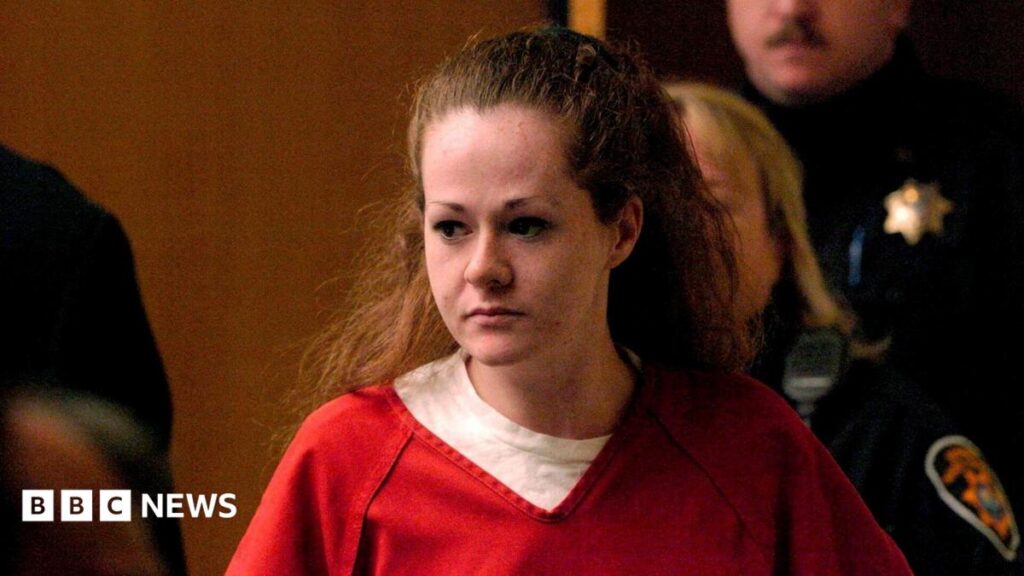
Christa Pike, a 48‑year‑old inmate serving a life sentence for the 1993 murder of a 10‑year‑old girl in Florida, became the focus of national attention when a lethal‑injection protocol malfunctioned on September 8, 2026. The state attempted to administer a three‑drug cocktail, but the first dose of the sedative failed to take effect, leaving Pike conscious and in pain while the subsequent drugs were still delivered. She later described waking up “confused and in pain,” a rare public admission that has reignited scrutiny of the United States’ execution methods.
The incident marks only the second known case in U.S. history where a condemned person survived an execution attempt, the first being Oklahoma’s Clayton Lockett in 2014. Pike’s statement, released through her legal team, has prompted renewed calls from human‑rights groups, legal scholars, and some legislators to reevaluate the constitutionality of lethal injection as a method of capital punishment.
Why Lethal Injection Often Goes Wrong
Lethal injection was introduced in the 1970s as a supposedly humane alternative to hanging or electrocution, but the chemistry behind the three‑drug protocol is fraught with uncertainty. The first drug, usually a barbiturate, is intended to render the inmate unconscious; if the dosage is miscalculated or the drug is of poor quality, consciousness can persist. The second drug, a paralytic agent, then stops breathing, and the final drug, potassium chloride, induces cardiac arrest. When the sedative fails, the inmate can experience the excruciating effects of the latter two drugs while unable to signal distress, a scenario that has been documented in several botched attempts.
Compounding the problem is the scarcity of pharmaceutical manufacturers willing to supply the drugs for executions. States have turned to compounding pharmacies and foreign suppliers with limited oversight, increasing the risk of contamination or incorrect potency. Legal challenges have forced many jurisdictions to adopt untested combinations, and the lack of transparent testing protocols means that each execution carries a heightened chance of error, as Pike’s case starkly illustrates.
Legal Fallout and Policy Reviews
In the wake of Pike’s botched execution, her attorneys filed a federal civil rights lawsuit alleging that the state’s execution protocol violated the Eighth Amendment’s prohibition on cruel and unusual punishment. The complaint seeks a permanent injunction against Florida’s use of the current three‑drug cocktail and demands a review of the drug procurement process. Similar lawsuits have been filed in Texas, Arizona and Ohio, where courts have occasionally stayed executions pending investigations into drug quality.
State officials, however, argue that the protocol follows the Department of Corrections’ approved guidelines and that the failure was an isolated incident. The Florida Board of Executive Clemency has scheduled a hearing for early 2027 to consider whether the case warrants a moratorium on future executions. Meanwhile, the Department of Justice’s Office of the Attorney General has opened an internal review to determine if procedural safeguards were breached, a step that could influence other states still using lethal injection.
The Broader Death‑Penalty Context and Racial Disparities
Pike’s case arrives at a moment when the United States is experiencing a gradual decline in death‑sentence filings, yet the system remains disproportionately applied to people of color. According to the Death Penalty Information Center, African‑American defendants account for roughly 42 % of those executed since 1976, despite representing only about 13 % of the U.S. population. Pike herself is White, but the public outcry over her suffering echoes longstanding concerns that the death‑penalty apparatus is both error‑prone and racially biased, fueling a resurgence of abolitionist arguments.
Human‑rights organizations such as Amnesty International and the NAACP Legal Defense Fund have used Pike’s ordeal to highlight systemic flaws, arguing that the risk of a botched execution is a constitutional issue that disproportionately harms minority communities who are more likely to be sentenced to death. The case may therefore serve as a catalyst for broader legislative reforms, including the introduction of alternative sentencing or a full moratorium on capital punishment at the federal level, a proposal currently debated in the U.S. Senate.
What Comes Next: Reform, International Pressure, and Community Impact
If courts grant Pike’s request for a permanent injunction, Florida could be forced to adopt a single‑drug protocol or shift to a method such as nitrogen hypoxia, which is still experimental. Several European Union countries have already banned the export of drugs for executions, and the United Nations’ Human Rights Council has called for a worldwide moratorium. International diplomatic pressure could intensify, especially as the United States faces criticism for continuing to employ a method many view as inhumane.
For African‑American communities and other marginalized groups, the case underscores the urgent need for criminal‑justice reforms that address both the application of the death penalty and the quality of legal representation in capital cases. Advocacy groups are mobilizing around the idea that a botched execution not only violates constitutional rights but also erodes public confidence in a system already perceived as racially unjust. The coming months will likely see a flurry of legislative proposals, court filings, and public demonstrations aimed at ensuring that Pike’s suffering translates into concrete policy change rather than remaining an isolated tragedy.
Quick Answers
What happened during Christa Pike’s September 2026 execution attempt?
The lethal‑injection protocol failed to render Pike unconscious, leaving her aware and in pain while the subsequent drugs were administered, prompting her to describe waking up “confused and in pain.”
Why are lethal injections considered controversial?
Because the three‑drug cocktail can malfunction if dosages are miscalculated or drugs are substandard, leading to painful, potentially unconstitutional executions.
What could Pike’s case mean for US death‑penalty laws?
If courts rule the protocol unconstitutional, states may be forced to change or suspend lethal‑injection methods, potentially accelerating broader reforms or a moratorium on capital punishment.
Source: www.bbc.co.uk




💬 Comments 0