Elon Musk’s 2026 SpaceX‑Tesla mega‑merger plan: What it means for Africa’s EV market and satellite internet
Background: Two giants, one vision
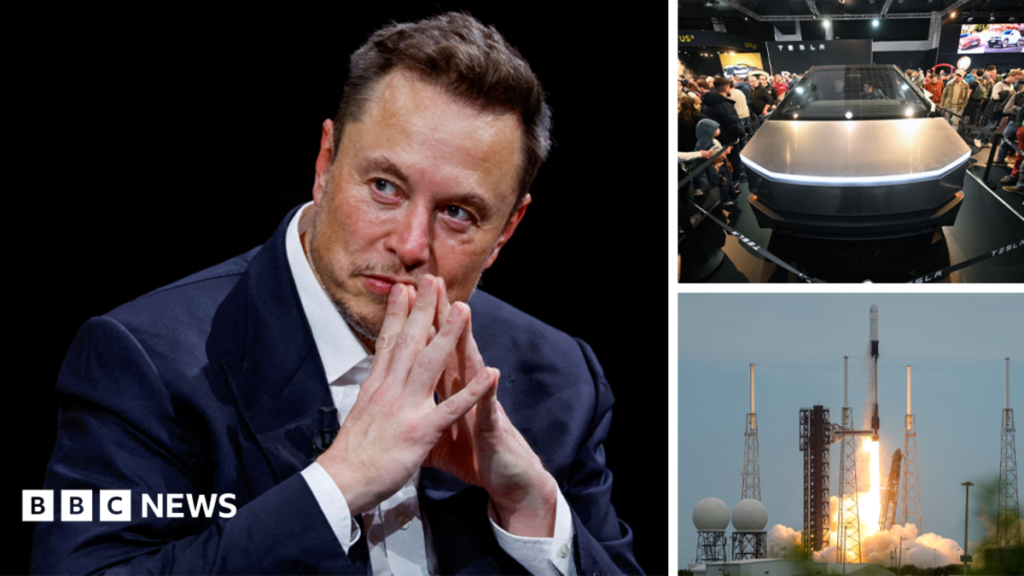
Elon Musk, the billionaire behind both Tesla and SpaceX, hinted this week that a full merger of the two companies could unlock "a lot to be gained" for shareholders and for his broader mission of accelerating sustainable transport and multiplanetary life. While both firms have collaborated on projects—Tesla’s battery tech powering Starlink ground stations and SpaceX’s rockets ferrying Tesla Roadsters into orbit—the idea of a legal merger would be unprecedented, creating a conglomerate that spans electric vehicles, energy storage, satellite broadband, and launch services.
The proposal emerges at a time when Musk’s other ventures, such as Neuralink and The Boring Company, are also seeking deeper integration. Analysts note that a merger could streamline research and development costs, combine Tesla’s massive cash flow with SpaceX’s high‑margin launch contracts, and give the new entity unprecedented leverage over global supply chains for lithium, rare earths, and aerospace components.
Why the merger matters beyond Wall Street
Beyond the headline‑grabbing valuation—potentially exceeding $3 trillion—the merger could reshape how technology is deployed in emerging markets. SpaceX’s Starlink satellite internet already serves over 1 million users across Africa, delivering broadband to remote villages in Kenya, Nigeria, and South Africa where fiber is scarce. A combined Tesla‑SpaceX entity could bundle high‑speed internet with solar‑powered EV charging stations, creating a vertically integrated ecosystem that bypasses traditional utilities.
For African governments, the prospect of a single supplier that can provide both clean energy infrastructure and connectivity is attractive. Many countries are racing to meet climate‑related commitments under the Paris Agreement, yet they face financing gaps for large‑scale renewable projects. A merged firm could offer bundled financing packages, leveraging Tesla’s credit lines and SpaceX’s launch capabilities to deploy solar farms, battery storage, and satellite‑linked micro‑grids in one go.
Implications for Africa’s electric‑vehicle market
Tesla’s presence in Africa has been limited to a handful of imported Model S and Model X units, mostly owned by affluent individuals or corporate fleets. The high import duties and lack of charging infrastructure have kept EV adoption low. A Musk‑driven merger could change that calculus by using SpaceX’s satellite network to monitor and manage remote charging stations, reducing the need for costly ground‑based telemetry.
If the merged company decides to roll out a dedicated “Starlink‑Tesla” charging network, it could accelerate EV penetration in South Africa’s Gauteng province, Kenya’s Nairobi corridor, and Nigeria’s Lagos‑Ibadan axis. Local startups that already assemble EVs from imported kits might gain access to cheaper batteries sourced from Tesla’s Gigafactories, while also benefiting from satellite‑backed fleet management tools.
Regulatory and geopolitical hurdles
A merger of this magnitude would face intense scrutiny from U.S. antitrust regulators, who have already launched investigations into Musk’s recent acquisition of Twitter. In addition, African regulators will need to assess the impact on local telecom markets, especially where Starlink competes with national satellite operators. Countries such as Ethiopia and the Democratic Republic of Congo have expressed concerns about foreign control of critical communications infrastructure.
Geopolitically, the deal could deepen the United States’ technological foothold in Africa, prompting reactions from China and the European Union, both of which are expanding their own satellite constellations and EV initiatives on the continent. Some African policymakers may view the merger as an opportunity to negotiate better terms for technology transfer, while others fear increased dependency on a single foreign conglomerate.
What’s next: Timeline and market reaction
Musk has not disclosed a concrete timetable, but sources close to SpaceX say the board is preparing a confidential memorandum for a special shareholders’ meeting later this year. If approved, the merger would still need clearance from the U.S. Securities and Exchange Commission and the Federal Trade Commission, a process that could take 12‑18 months.
Investors have already responded. Tesla’s stock rose 4 percent after the initial hint, while SpaceX’s privately‑held valuation saw a modest uptick in recent funding rounds. In African markets, the Johannesburg Stock Exchange saw a modest increase in shares of local battery‑material firms, reflecting optimism that a larger demand for lithium and cobalt could benefit regional miners.
The African angle: Opportunities and cautions
For African entrepreneurs, the merger could open new pathways for collaboration. Companies like Kenya’s M-KOPA, which pairs solar kits with mobile payments, might partner with the merged entity to bundle Starlink connectivity with off‑grid energy solutions. Similarly, South Africa’s renewable‑energy start‑ups could secure contracts to build battery storage for Tesla‑SpaceX micro‑grids, leveraging local expertise while accessing global capital.
However, experts warn that without robust local content requirements, the benefits could be uneven. According to a recent report by the African Development Bank, past large‑scale tech deployments have sometimes sidelined domestic suppliers, leading to limited job creation. Civil society groups in Nigeria and Ghana are already calling for clauses that guarantee a percentage of manufacturing and data‑center jobs be allocated to local workers.
Quick Answers
What would a SpaceX‑Tesla merger mean for Starlink internet in Africa?
It could enable bundled services that combine satellite broadband with solar‑powered EV charging, speeding up rollout of both connectivity and clean‑energy infrastructure across the continent.
Will the merger lower the cost of electric vehicles for African buyers?
Potentially, as a unified company could streamline battery supply and use satellite‑based fleet management to reduce operating costs, making EVs more affordable in emerging markets.
When might the merger be approved?
If the boards move forward, regulatory clearance in the U.S. could take 12‑18 months, with additional approvals needed from African telecom and competition authorities.
Source: www.bbc.co.uk



💬 Comments 0