EU warns COP31 in Baku risks becoming a ‘fossil summit’ after draft omits key climate commitments, 2026 deadlock
Background: The stakes of COP31 and Africa’s climate vulnerability
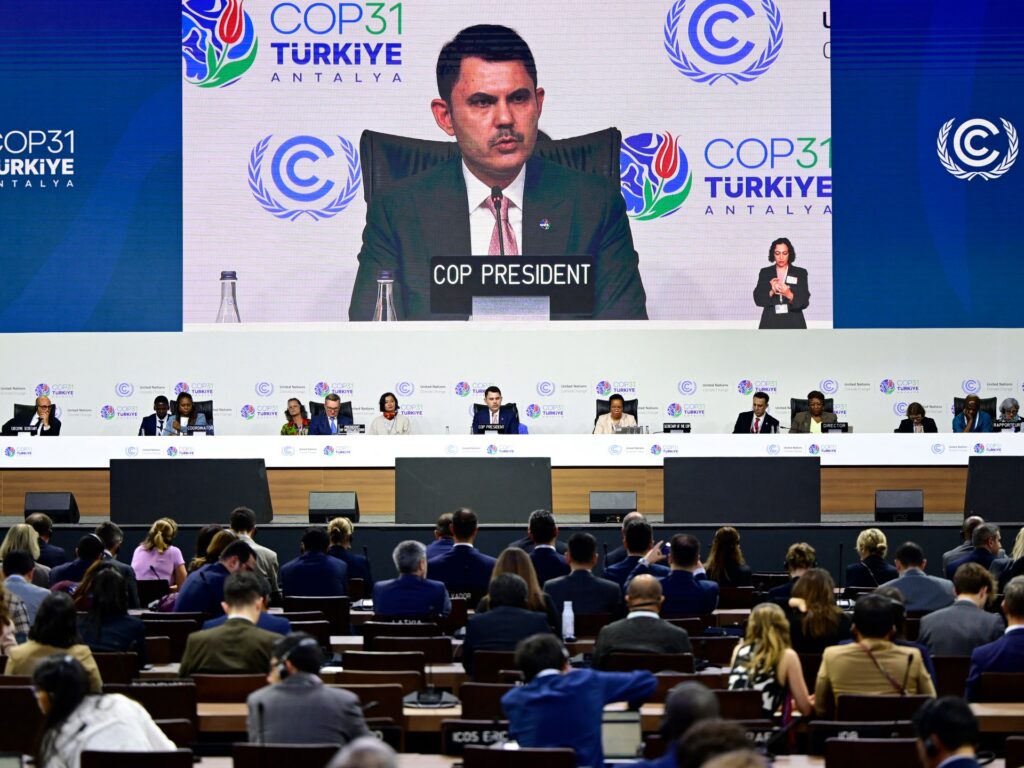
The United Nations climate conference, COP31, is set to take place in Baku, Azerbaijan, in late 2026. After three years of intense negotiations, the draft outcome text released in early November left out several pillars that the European Union and a coalition of vulnerable nations consider non‑negotiable, such as a clear timeline for phasing out unabated coal and stronger language on loss and damage. The omission has triggered a fresh deadlock, with the EU warning that the summit could turn into a meeting dominated by fossil‑fuel interests.
For African countries, the implications are especially acute. The continent contributes less than 4% of global greenhouse‑gas emissions but bears more than a third of the climate‑related deaths, according to the United Nations Office for Disaster Risk Reduction. Many African economies also depend on revenue from oil, gas, and coal, creating a tension between development goals and the urgent need to cut emissions.
What triggered the deadlock: Missing commitments in the draft deal
The draft text, negotiated by the UNFCCC secretariat, failed to embed a concrete schedule for ending unabated coal power, a demand championed by the African Group of Negotiators and the EU. In addition, the language on “loss and damage” – financial assistance for communities already suffering irreversible climate impacts – was watered down to a vague reference to “cooperative approaches,” a move that many developing nations see as a back‑step.
Sources close to the negotiations say that a bloc of oil‑producing nations, including Saudi Arabia and Russia, pushed for softer language to protect their fossil‑fuel export revenues. The EU, represented by its chief climate negotiator, warned that without firm commitments the summit could be hijacked by fossil‑fuel lobbyists, echoing similar concerns raised during the Doha Climate Dialogue in 2024.
Why it matters for Africa and the global climate agenda
The omission of a coal phase‑out timeline threatens African renewable‑energy targets. The African Development Bank estimates that the continent needs $150 billion a year in clean‑energy investment to meet its Sustainable Development Goals. If the global community does not set a clear exit strategy for coal, African governments may struggle to attract the financing needed to replace aging, coal‑dependent power plants.
Equally critical is the loss‑and‑damage issue. Nations such as Mozambique, Kenya, and the Sahel states are already grappling with flood‑related losses that exceed their GDP. Without a binding financial mechanism, these countries risk facing a fiscal cliff, forcing them to divert scarce resources from health, education, and infrastructure to climate‑related emergencies.
Reactions from African leaders, civil society, and the diaspora
African heads of state have voiced frustration. South Africa’s President, according to a press briefing, called the draft “a missed opportunity to align global ambition with African realities.” Kenya’s climate minister warned that the lack of firm commitments could push African investors toward cheaper, carbon‑intensive projects, undermining the continent’s green transition.
Grassroots movements across the continent, from the Sahara’s Tuareg climate activists to South Africa’s #ClimateJusticeNow protests, have mobilised online and on the streets. The African diaspora in Europe and North America is also amplifying the pressure, with diaspora‑led NGOs filing a joint statement at the UN demanding a “just transition” clause in the final text.
What’s next: Negotiation tactics, possible compromises, and the road to 2027
Negotiators are expected to reconvene in a series of “high‑level dialogues” in December, where the EU plans to propose a binding 2030 deadline for ending unabated coal, coupled with a financing package that leverages the Green Climate Fund and private‑sector capital. Analysts say that a compromise may involve a phased approach, allowing countries with limited alternatives to receive technical assistance and transition funds.
If the deadlock persists, there is a risk that COP31 will end with a “soft‑landing” text, similar to the outcome of COP28 in Dubai, which many critics described as a “fossil summit.” Such an outcome could weaken the credibility of the UNFCCC process and stall the momentum built around the Kigali Amendment on HFCs and the 2025 Global Stocktake.
Long‑term outlook: How the Baku talks could reshape Africa’s climate future
A successful resolution that includes a firm coal phase‑out and a robust loss‑and‑damage fund would unlock new streams of climate finance for African nations. The World Bank’s Climate Investment Funds have already earmarked $30 billion for renewable projects in sub‑Saharan Africa, but the bulk of the money is contingent on clear global signals that fossil fuels are on a declining trajectory.
Conversely, a weak COP31 could embolden fossil‑fuel exporters on the continent to double down on oil and gas expansion, delaying the clean‑energy transition and potentially widening the gap between Africa’s climate‑risk exposure and its adaptive capacity. The outcome will therefore influence not only policy but also private‑sector investment decisions, diaspora remittance flows earmarked for green projects, and the narrative around African leadership in global climate diplomacy.
Quick Answers
Why does the EU say COP31 could become a 'fossil summit'?
The EU argues that the draft deal omits a firm coal phase‑out and weakens loss‑and‑damage provisions, allowing fossil‑fuel interests to dominate the negotiations.
How could a deadlock at COP31 affect African countries?
Without clear commitments, African nations may lose access to climate finance needed for renewable‑energy projects and struggle to get support for loss‑and‑damage, worsening their climate‑vulnerability.
What are the next steps before the Baku summit in 2026?
Negotiators will hold high‑level dialogues in December to try to insert a 2030 coal‑phase‑out deadline and a stronger loss‑and‑damage fund before the final text is adopted at COP31.
Source: www.aljazeera.com




💬 Comments 0