Europe’s far‑right parties back Putin ahead of 2026 elections, risking Ukraine split and African trade
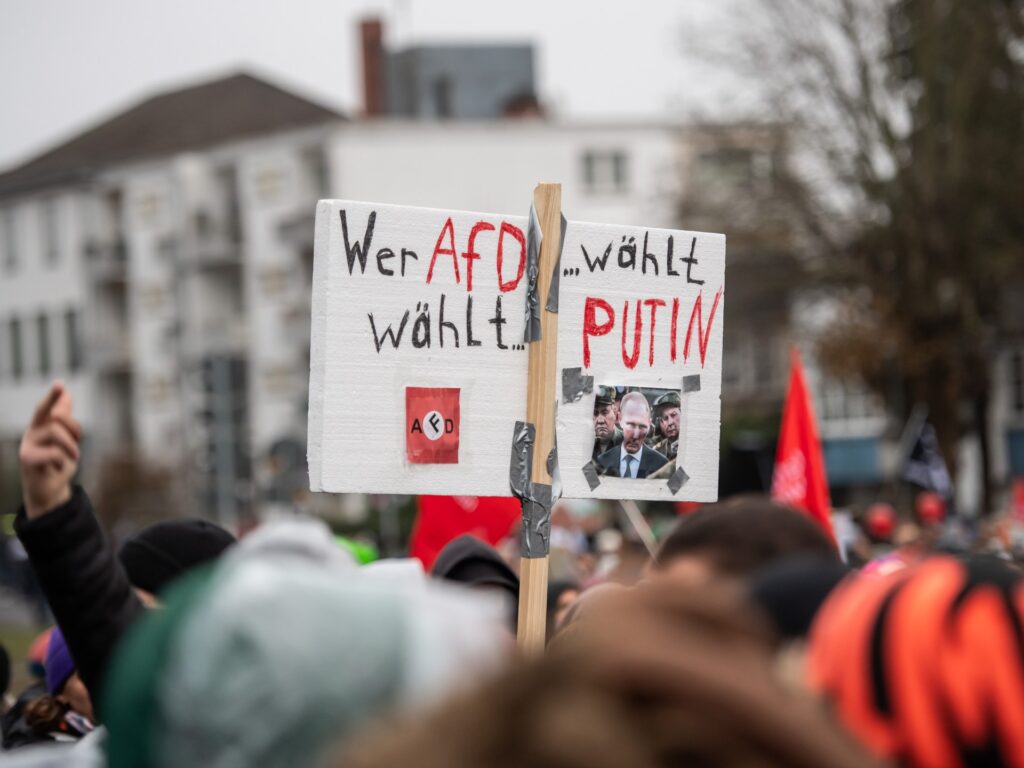
A surge fueled by elections and energy woes
Since the 2022 invasion of Ukraine, several European far‑right movements have moved from fringe protest to parliamentary relevance, winning seats in Germany, France, Italy and the Netherlands. Their electoral gains have coincided with soaring energy prices, a cost‑of‑living crisis, and growing scepticism toward Brussels’ foreign‑policy consensus.
In the run‑up to the 2026 European Parliament elections, parties such as France’s Rassemblement National, Italy’s Lega and Germany’s Alternative für Deutschland have openly praised Vladimir Putin’s “defence of traditional values” and condemned EU sanctions as “economic warfare”. According to a report by the European Council on Foreign Relations, pollsters show up to 12% of voters in the EU now consider a pro‑Russia stance a legitimate political option.
Why the Kremlin courts the far right
Moscow’s diplomatic playbook has long involved exploiting divisions within the West, and the post‑war landscape offers new entry points. By providing media access, covert funding channels and occasional diplomatic visits, the Kremlin seeks to legitise its narrative that the West is hostile to “sovereign nations”.
Sources close to the Russian foreign ministry say that the outreach is calibrated: the goal is not to hand over policy but to create a chorus of sympathetic voices inside the EU that can blunt future sanctions, especially those targeting energy and finance. This aligns with a broader Russian strategy observed in Africa, where Moscow has signed military and mining deals with countries like the Central African Republic to offset Western isolation.
Implications for the Ukraine conflict
A Europe split over Russia threatens to undermine the unified front that has kept Kyiv supplied with weapons, training and diplomatic support. If far‑right parties gain enough leverage to force a softening of sanctions, Ukraine could face shortages of critical components for its air‑defence systems and a slowdown in reconstruction aid.
Analysts at the Stockholm International Peace Research Institute warn that a fragmented EU stance could embolden Moscow to press for a frozen‑conflict settlement, a scenario that would freeze the front lines and leave millions of displaced Ukrainians in limbo.
The hidden African angle: trade, energy and diaspora
Europe’s energy pivot away from Russian gas has been a boon for African exporters, especially Nigeria, Angola and Mozambique, whose liquefied natural gas (LNG) volumes have surged since 2022. However, a political swing that eases sanctions could see a partial return to Russian supplies, reducing the premium African LNG enjoys on European markets.
Beyond commodities, the far‑right’s anti‑immigration rhetoric directly impacts African diaspora communities in France, Italy and the UK. Recent hate‑crime statistics from the European Union Agency for Fundamental Rights show a 27% rise in attacks on Black migrants since 2023, a trend that NGOs attribute to the growing visibility of nationalist parties on mainstream media.
Domestic backlash and civil‑society mobilisation
Mainstream parties across the continent have begun to push back, framing the pro‑Putin surge as a threat to liberal democracy. In Germany, Chancellor Olaf Scholz announced a new “democratic resilience” fund to support independent media in regions where far‑right parties are strongest. In France, President Emmanuel Macron has pledged to tighten campaign‑finance rules to curb foreign influence.
African‑European NGOs, such as the African Diaspora Forum in Brussels, have organised joint rallies with anti‑racism groups, demanding that EU policy on Russia does not come at the expense of migrant rights. Their statements, released on 5 September 2026, warned that “any softening of sanctions that fuels xenophobia will also erode the solidarity that African communities have shown for Ukraine.”
What comes next: elections, sanctions and a new balance
The 2026 European Parliament elections will be the first major test of how far‑right parties can translate their pro‑Russia rhetoric into concrete policy. Political scientists at the University of Oxford predict that if any single far‑right bloc surpasses the 10% threshold in three or more member states, they could force a coalition‑building exercise that gives them veto power over future sanctions packages.
For Africa, the stakes are twofold: the continent must monitor how EU energy policy evolves, and it must prepare for a possible backlash against its diaspora. Trade ministries in Lagos and Windhoek have already begun contingency planning, exploring alternative markets for LNG and seeking diplomatic assurances that EU‑Russia détente will not undercut existing African‑EU trade agreements.
Quick Answers
Why are European far‑right parties increasingly praising Putin?
They view Russia as a model of nationalist governance and a convenient ally to oppose EU sanctions and immigration policies.
How could a pro‑Russia shift in Europe affect African trade?
A relaxation of sanctions may lower European demand for African LNG and oil, reducing export revenues for countries like Nigeria and Angola.
Are African diaspora communities in Europe at risk from the far‑right surge?
Yes, far‑right parties often link immigration to security threats, leading to a rise in hate incidents targeting African migrants.
Source: www.aljazeera.com



💬 Comments 0