Five dead, 86 missing after fire on Philippines ferry near Coron, Palawan – what the disaster means for regional safety
Background: Ferry travel in the Philippines and its safety record
The Philippines, an archipelago of more than 7,000 islands, relies heavily on inter‑island ferries to move people, goods, and tourists. According to the Maritime Industry Authority, over 30 million passengers use scheduled ferries each year, making it one of the busiest maritime corridors in Southeast Asia. Yet the sector has long been plagued by aging vessels, lax enforcement of safety standards, and a culture of over‑crowding, especially on routes that serve popular beach destinations.
Coron in Palawan has become a magnet for adventure travelers seeking limestone cliffs, World‑War‑II shipwrecks, and crystal‑clear lagoons. The surge in visitor numbers has driven operators to add more trips, sometimes with vessels that lack modern fire‑suppression systems. Past incidents—such as the 2013 MV St. Thomas fire that left 12 dead—have prompted calls for stricter inspections, but progress has been uneven, with many regional ports still operating under limited oversight.
The tragedy unfolds: fire breaks out near Coron
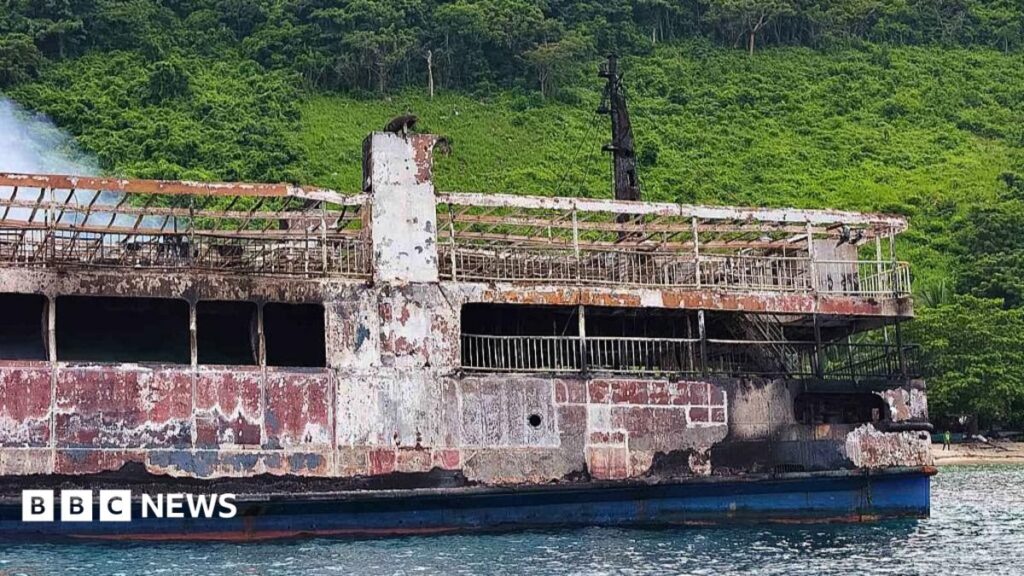
On the early morning of September 9, 2026, the MV Luzon Star, a 150‑passenger ferry, was making its final approach to the dock at Coron Bay when a blaze erupted on the upper deck. Witnesses reported hearing a loud crack followed by thick orange smoke that quickly enveloped the vessel. Crew members attempted to contain the flames with portable extinguishers, but the fire spread to the engine room within minutes, cutting power and disabling the ship’s emergency pumps.
Rescue teams from the Philippine Coast Guard, local fire units, and nearby fishing boats rushed to the scene. Five passengers were confirmed dead on arrival, and 86 others remain unaccounted for, with families anxiously awaiting official updates. The ferry’s captain, Captain Ramon Dela Cruz, survived and is currently under investigation for possible negligence, according to statements released by the Maritime Industry Authority.
Why it matters: safety gaps, tourism revenue, and regional confidence
The immediate human toll is heartbreaking, but the incident also exposes systemic weaknesses that could erode confidence in the Philippines’ tourism brand. Coron contributed roughly $1.2 billion to the national economy in 2025, with ferry services accounting for a sizable share of that revenue. A high‑profile disaster risks deterring international visitors, especially those from markets that prioritize safety certifications, such as Europe, North America, and increasingly, Africa’s growing middle class.
Beyond tourism, the fire raises questions about regulatory enforcement. The Maritime Industry Authority’s latest audit, released in March 2026, noted that only 42 % of vessels operating in the Visayas and Palawan met the updated fire‑safety standards introduced after the 2013 tragedy. If the findings are accurate, the MV Luzon Star may have been operating without mandatory fire‑retardant materials or functional alarms, underscoring a regulatory gap that could affect thousands of passengers daily.
Echoes across the Indian Ocean: lessons for African maritime nations
While the disaster occurred thousands of kilometres from Africa, its implications reverberate across the continent’s own maritime landscape. Nations such as Kenya, Tanzania, and Mozambique face similar challenges: aging fleets, insufficient safety drills, and ports that lack modern firefighting equipment. According to the African Union’s Transport and ICT Committee, maritime accidents in East Africa have risen by 18 % over the past three years, a trend that mirrors the Philippines’ experience.
African diaspora travelers who frequent Southeast Asian destinations often rely on budget ferries, just as locals do. The Philippine incident could prompt travel agencies in Nairobi, Lagos, and Johannesburg to reassess partner operators, demanding proof of compliance with International Safety Management (ISM) codes before booking clients. Moreover, regional bodies like the East African Community may look to the Philippines’ pending investigation as a case study for tightening their own vessel‑inspection regimes.
What comes next: investigations, policy reforms, and community response
The Philippine government has pledged a full inquiry, with the National Bureau of Investigation leading a task force that will examine maintenance logs, crew training records, and the vessel’s certification history. Early reports suggest that the fire may have started in an unauthorized kitchen area where passengers were cooking, a practice that has been prohibited on most ferries but remains hard to police on crowded routes.
Civil society groups are already mobilising. The NGO Maritime Safety Philippines has called for an immediate moratorium on all non‑essential ferry services to Palawan until safety audits are completed. In parallel, local businesses in Coron have organized a solidarity fund to support victims’ families, while the tourism board is working on a communication campaign to reassure potential visitors that safety upgrades are underway.
If the investigation confirms regulatory lapses, lawmakers could push for stricter penalties, mandatory installation of automatic fire‑suppression systems, and a publicly accessible database of vessel compliance. Such reforms would not only help restore confidence in Philippine ferry travel but also provide a blueprint for other regions—particularly African coastal states—seeking to modernise their maritime safety frameworks.
Quick Answers
How many people are confirmed dead after the ferry fire near Coron?
Five passengers have been confirmed dead, with 86 still missing as authorities continue rescue operations.
What caused the fire on the MV Luzon Star ferry?
Preliminary reports suggest the blaze started in an unauthorized cooking area on the deck, but a full investigation is ongoing.
Will this disaster affect tourism to Palawan?
Experts warn that safety concerns could deter some international visitors, prompting the tourism board to launch a reassurance campaign and push for stricter ferry regulations.
Source: www.bbc.co.uk




💬 Comments 0