Florida private jet crash 2026: Robinson family tragedy sparks safety overhaul debate
Background: A high‑profile private‑jet flight
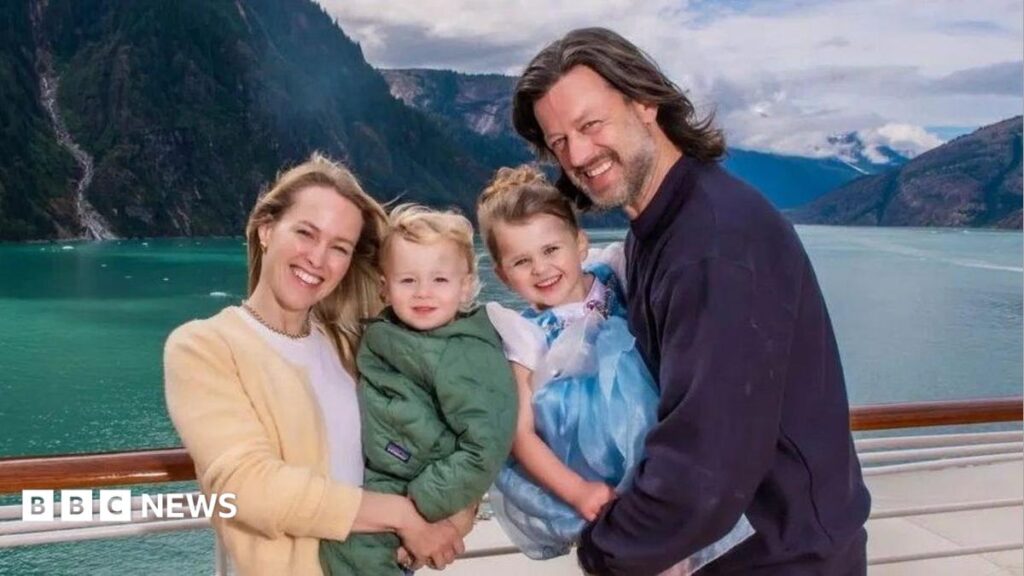
On 2 November 2026 a Gulfstream G550 departed from Fort Lauderdale‑Hollywood International Airport bound for Dallas. The aircraft was chartered by Adam Robinson, a Silicon Valley entrepreneur, to transport his wife, Helen Sharp, and their two young children, Emma (4) and Charlie (2). The flight plan was routine, and the jet had logged over 8,000 flight hours without any major incident.
Private‑jet travel has surged in the United States since the pandemic, with business leaders and high‑net‑worth individuals favouring the flexibility and perceived safety of corporate aircraft. According to the NBAA, charter operations grew by 12 % in 2025, a trend that makes any accident involving such flights a flashpoint for industry scrutiny.
What happened: The crash and early findings
Shortly after take‑off, air traffic control lost contact with the jet. Radar data showed the aircraft climbing steeply before a sudden nose‑down pitch that sent it plummeting into the Atlantic Ocean just off the coast of Palm Beach County. Emergency responders recovered the fuselage fragments and, after a grueling search, identified the Robinson family among the victims.
The National Transportation Safety Board (NTSB) released an initial bulletin on 4 November stating that the jet’s flight‑data recorder indicated a rapid loss of altitude at 12,000 feet, followed by a spike in vibration. Preliminary analysis suggests the aircraft may have suffered an in‑flight structural failure, possibly a wing‑spar fracture, before it broke apart.
Why it matters: Safety, regulation and public confidence
If the jet indeed broke apart mid‑air, the incident raises serious questions about the aging fleet of private jets that operate under less stringent oversight than commercial airlines. While the FAA requires annual inspections for all aircraft, many owners rely on delegated maintenance programs that can vary in quality.
The crash also hits a nerve with families who view private aviation as a safer alternative to commercial travel. A survey conducted by the Aviation Safety Institute in September 2026 found that 68 % of high‑net‑worth respondents believed charter flights were “significantly safer” than airlines, a perception now challenged by the Robinson tragedy.
Broader pattern: A string of recent private‑jet incidents
The Florida crash is the third high‑profile private‑jet accident in the United States within the past 18 months. In March 2026, a Learjet crashed in Arizona due to a suspected fuel‑system malfunction, killing a tech founder and his partner. In July, a Cessna Citation suffered a runway overrun in Texas after a brake‑system failure, injuring several passengers.
These incidents have prompted industry groups, such as the National Business Aviation Association (NBAA), to call for a unified safety framework that would standardise maintenance records, pilot training, and real‑time health‑monitoring of aircraft structures. The FAA has signalled it will review the current Part 135 regulations, which govern charter operations, to close gaps that allow inconsistent oversight.
What’s next: Investigation, policy response and the impact on African stakeholders
The NTSB’s full report, expected by mid‑2027, will examine metal‑fatigue data, manufacturing records from the jet’s original supplier, and the maintenance logs submitted by the charter company. If a design flaw is identified, it could trigger an airworthiness directive affecting dozens of Gulfstream models worldwide.
African investors and diaspora entrepreneurs who frequently use private‑jet services for cross‑continent travel are watching closely. Many rely on the same aircraft types for trips between Lagos, Nairobi and European hubs. A mandatory inspection regime could increase charter costs, but it would also reassure clients that safety standards are globally consistent. Moreover, a potential grounding of Gulfstream G550s would affect the regional market for used aircraft, where several African leasing firms have significant exposure.
Reactions: From families, regulators and the aviation community
The Robinson family’s relatives have called for “transparent, swift action” from both the NTSB and the FAA, demanding that any systemic risk be disclosed to the public. A spokesperson for Helen Sharp’s sister said the family wants “answers, not excuses, for a tragedy that could have been prevented.”
Aviation experts, including former FAA Administrator Mark Rosen, argue that the crash underscores the need for real‑time structural health monitoring. “Embedding sensors that transmit vibration and stress data to a central hub could flag a failure before it becomes catastrophic,” Rosen told Bloomberg on 5 November.
In Lagos, the Nigerian Civil Aviation Authority (NCAA) issued a brief advisory reminding local charter operators to verify the maintenance history of any foreign‑registered aircraft they lease. The advisory also urged Nigerian business travelers to request the latest airworthiness certificates before booking private flights.
Quick Answers
What caused the Florida private jet crash on 2 November 2026?
Preliminary NTSB data suggests a structural failure, possibly a wing‑spar fracture, caused the jet to break apart in mid‑air.
How might the crash affect private‑jet travel for African businesspeople?
If the FAA tightens inspection rules, charter costs could rise, but safety standards would become more uniform for African operators who use similar aircraft.
When will the full NTSB report be released?
The NTSB expects to publish its final report by mid‑2027.
Source: www.bbc.co.uk

💬 Comments 0