Folarin Balogun’s “Dame Time” Celebration Sparks Talk on Diaspora Identity and USMNT Branding Ahead of 2026 World Cup Qualifiers
Background: Balogun’s Rise and the Haiti Friendly
Born in London to Nigerian parents, Folarin Balogun grew up watching both Premier League matches and NBA highlight reels. After a prolific spell with Arsenal’s academy, he chose to represent the United States, debuting for the USMNT in 2023 and quickly earning a reputation as a clinical finisher. The friendly against Haiti on November 14, 2026, was a low‑stakes warm‑up before the crucial CONCACAF final round, but it offered Balogun a platform to showcase his personality as well as his skill.
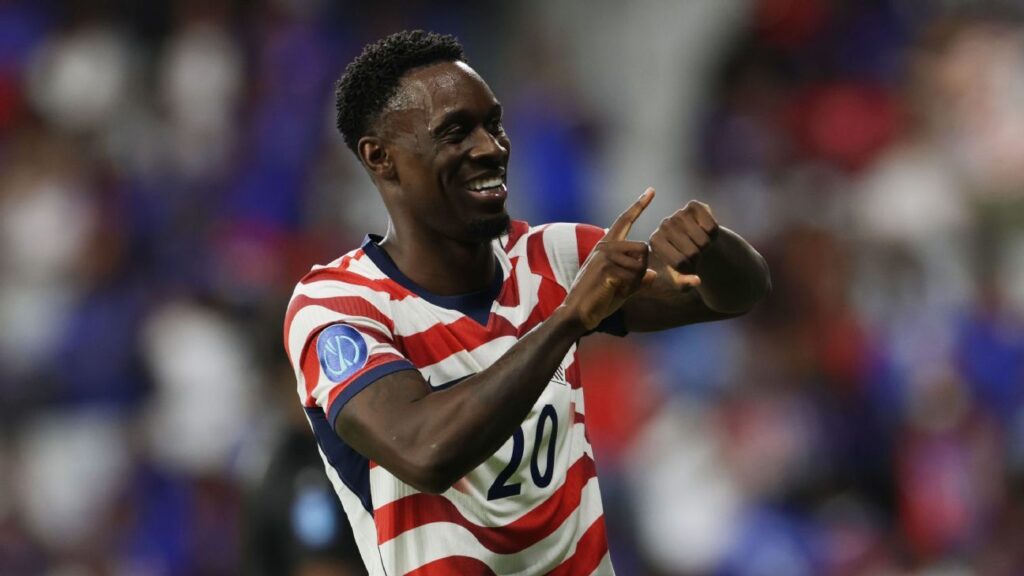
Balogun’s goal – a swift one‑two with Christian Pulisic that slipped past Haiti’s goalkeeper – was the opening strike in a 3‑0 US win. Rather than a typical soccer fist‑pump, he paused, raised his arms in the same relaxed, sideways motion that NBA star Damian Lillard uses after a clutch three‑pointer, a gesture fans know as “Dame Time.” The celebration was captured on multiple broadcast feeds and instantly trended on social media.
The move was more than a quirky nod to basketball; it signaled a blending of sporting cultures that resonates with a generation of Black athletes who grow up consuming a mix of global sports content. For Balogun, the celebration was also a personal statement about his dual heritage and the multicultural influences that shape his identity on and off the pitch.
Why the Celebration Matters for USMNT Branding
The USMNT has been wrestling with a branding dilemma since the 2022 World Cup, trying to balance traditional American soccer imagery with the diverse cultural backgrounds of its star players. Balogun’s “Dame Time” moment provides a fresh visual cue that can be leveraged in marketing campaigns aimed at younger, urban audiences who follow both soccer and the NBA.
According to a marketing analyst at SportsBiz Insights, moments like Balogun’s can boost social‑media engagement by up to 35 % in the hours after a game, especially when the gesture references a widely recognized pop‑culture icon. The US Soccer Federation’s digital team has already begun circulating a short clip of the celebration, adding the hashtag #BalogunTime to encourage fan‑generated content.
From a commercial standpoint, the crossover appeal opens doors for joint sponsorships. Brands that already sit at the intersection of basketball and streetwear – such as Nike, Adidas, and Puma – could see value in aligning with a player who naturally bridges those worlds. This could translate into new jersey designs, limited‑edition sneaker drops, or even co‑branded community programs targeting inner‑city youth.
Diaspora Connection: Nigerian Roots and the African‑American Fan Base
Balogun’s Nigerian lineage is a point of pride for both the Nigerian diaspora in the United States and for fans back home. While the USMNT’s matches are rarely broadcast in Nigeria, the goal and its celebration were replayed on Nigerian sports channels and discussed on diaspora forums in Lagos, Abuja, and New York. The “Dame Time” gesture, already familiar to NBA fans, helped the moment travel faster across digital borders.
In a recent interview with The Guardian Nigeria, Balogun said he wanted to honor the “global Black community” that supports him, noting that his mother still watches NBA games with him in London. This sentiment resonates with many second‑generation African immigrants who navigate multiple cultural identities and look for representation in mainstream American sports.
The celebration also sparked conversation about the growing pipeline of African‑descent talent in US soccer. Players like Gio Reyna (of Mexican‑German‑Italian heritage) and Tyler Adams (with Jamaican roots) have already highlighted their multicultural backgrounds. Balogun’s public nod to a Black basketball star adds another layer, suggesting that future USMNT stars may increasingly draw on African and Caribbean cultural references to connect with fans.
Broader Trend: Sports Cross‑Pollination and Player Branding
Balogun is not the first footballer to borrow a celebration from another sport. In recent years, players have mimicked boxing jab motions, cricket bat swings, and even video‑game controller gestures. This cross‑pollination reflects a larger trend where athletes build personal brands that transcend a single discipline, leveraging the viral nature of social media.
A study from the University of Southern California’s Sport Communication Lab found that cross‑sport celebrations increase a player’s recognizability by 22 % among casual fans. The research suggests that such gestures act as visual shortcuts, instantly linking a player to a broader cultural narrative – in Balogun’s case, the narrative of “clutch performance” associated with Lillard’s reputation for late‑game heroics.
The trend also raises questions about intellectual property and authenticity. While Lillard’s “Dame Time” is not trademarked, the NBA and its players have begun monitoring how their signature moves are used in other contexts. So far, there have been no legal disputes involving Balogun, but the incident could prompt future discussions about whether athletes need permission to borrow each other’s trademark celebrations.
What’s Next: Impact on USMNT’s Qualifying Campaign and Community Outreach
The USMNT now faces a decisive stretch of CONCACAF qualifying matches against Mexico, Canada, and Costa Rica. Balogun’s form and confidence, boosted by the goal and its viral celebration, will be under close scrutiny by coach Gregg Berhalter, who has hinted that the forward could start in the upcoming Mexico clash if he maintains his scoring rate.
Beyond the pitch, US Soccer announced a partnership with the NBA’s “NBA Cares” initiative to host joint basketball‑soccer clinics in underserved neighborhoods of Detroit, Houston, and Atlanta. Balogun, who is slated to appear at the first event, will likely use his “Dame Time” moment as a conversation starter about perseverance and cultural pride.
If the celebration continues to generate buzz, it could also influence future jersey designs. Fans have already started petitioning on Change.org for a limited‑edition Balogun jersey featuring a subtle “Dame Time” motif on the sleeve. While the US Soccer Federation has not confirmed any plans, the commercial potential is clear: a jersey that celebrates both soccer talent and Black cultural icons could become a bestseller among younger supporters.
Quick Answers
What does Folarin Balogun’s "Dame Time" celebration refer to?
"Dame Time" is NBA star Damian Lillard’s signature pose after a clutch three‑pointer, which Balogun mimicked after scoring against Haiti.
How does Balogun’s Nigerian heritage influence his USMNT role?
Balogun’s Nigerian roots connect him with the African diaspora, boosting the USMNT’s appeal among Black and immigrant fans and highlighting the growing presence of African‑descent players in American soccer.
Will the celebration affect USMNT’s marketing or sponsorship deals?
The viral moment has already sparked interest from brands that bridge basketball and streetwear, and US Soccer may use it in future campaigns targeting younger, multicultural audiences.
Source: www.espn.com



💬 Comments 0