Houthi Missile Strike Kills 73 Security Recruits in Yemen’s Shabwa Province, 2026
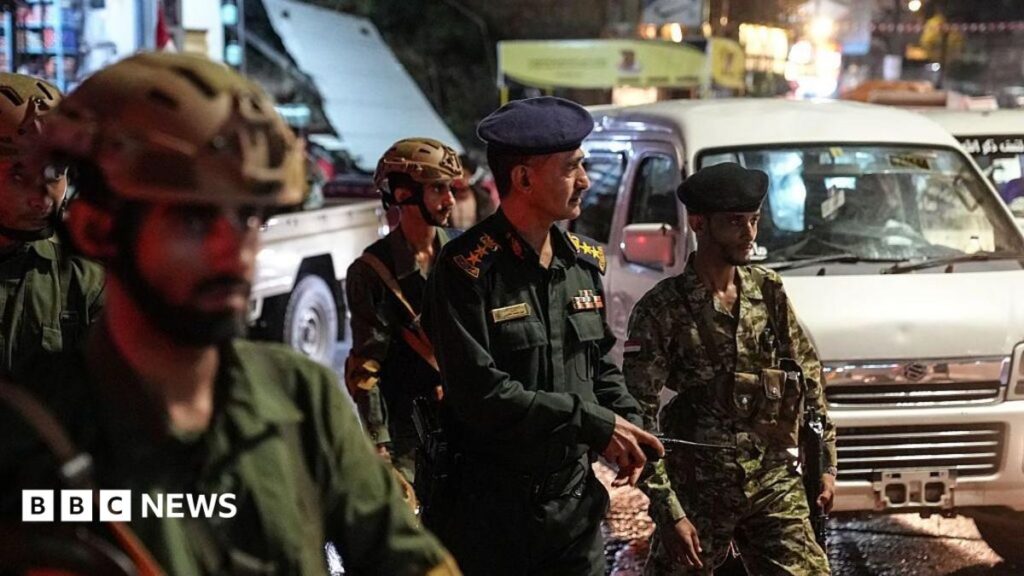
Background: Yemen’s protracted war and the Shabwa training camp
Since the Saudi‑led coalition intervened in 2015, Yemen has become a laboratory for asymmetric warfare, with the Iran‑aligned Houthi movement repeatedly targeting government‑controlled territories. The conflict has splintered the country into multiple fronts, and the southern governorate of Shabwa, once a quiet hinterland, now hosts several government‑run training facilities for newly recruited security forces.
These camps are intended to professionalise local militias that the central government relies on to hold territory against Houthi incursions. International observers, including the United Nations, have warned that the rapid expansion of such centres often outpaces safety protocols, making them attractive targets for the Houthis’ growing missile arsenal.
The attack: what happened on Monday
On Monday, three missiles struck the training camp in Shabwa province, according to a statement released by Yemen’s army. The blast killed 73 recruits and injured dozens more, most of them young men from the surrounding districts who had joined the security forces in the past six months.
Yemen’s Ministry of Defense identified the weapons as Houthi‑manufactured ballistic missiles, a claim echoed by Reuters, which cited senior military officials. The Houthis, who have increasingly used longer‑range projectiles since 2022, have not immediately commented, but their media arm previously announced a “counter‑offensive” against “government strongholds” in the south.
Why the strike matters for regional security and the Red Sea
The death toll underscores a worrying escalation in the Houthis’ capability to strike deep inside government‑held zones. Analysts at the International Crisis Group note that each successful missile launch expands the group’s strategic calculus, allowing them to pressure Saudi Arabia and its allies without committing ground forces.
Shabwa lies just a few hundred kilometres from the Bab al‑Mandab strait, a choke‑point through which over 20 % of the world’s oil passes. Any uptick in missile activity near the Red Sea raises the risk of accidental spillover onto commercial shipping lanes, a scenario that could reverberate across African economies that depend on timely oil deliveries, from Nigeria’s refineries to Kenya’s port of Mombasa.
Humanitarian and diaspora implications
Beyond the immediate loss of life, the strike threatens to deepen Yemen’s humanitarian crisis. The camp also housed a modest field hospital that provided basic trauma care to civilians in nearby villages. With the facility damaged, residents will have to travel farther for treatment, stretching already‑scarce resources provided by NGOs such as Médecins Sans Frontières.
The Yemeni diaspora in East Africa, particularly in Djibouti and Ethiopia, has been lobbying their host governments for increased humanitarian aid corridors. According to a statement from the Yemen Relief Fund in Nairobi, the attack could delay the arrival of food convoys that travel overland from the port of Aden to the Horn of Africa, where many refugees have settled.
What could come next: diplomatic and military responses
The Saudi‑UAE coalition is expected to respond with intensified air raids on Houthi‑controlled areas, a pattern that has repeated after every major Houthi strike. However, the coalition’s own air‑defence assets have struggled to intercept missiles launched from deeper inside Yemen, prompting calls in Riyadh for a more robust missile‑defence shield.
On the diplomatic front, the United Nations Security Council is slated to meet next week to discuss a possible cease‑fire extension. African Union representatives, who have been vocal about protecting Red Sea trade, may use the meeting to push for a regional security framework that includes anti‑missile cooperation, a move that could bring in South African and Nigerian naval assets.
Quick Answers
How many people were killed in the Houthi missile strike on the Shabwa training camp?
The attack killed 73 security recruits, according to Yemen’s army.
Why could the strike affect African economies?
Shabwa is near the Bab al‑Mandab strait, a vital Red Sea shipping lane; increased missile activity could disrupt oil and cargo flows that many African countries rely on.
What are the next steps likely to be after the attack?
The Saudi‑UAE coalition may ramp up air strikes, while the UN is set to discuss a cease‑fire extension and the African Union may seek a regional anti‑missile security pact.
Source: www.bbc.co.uk



💬 Comments 0