Iran protest: Samira’s 16‑year‑old daughter Sevda killed in January demo, mother targeted
Background: Iran’s wave of protests and the January crackdown
Since the death of Mahsa Amini in September 2022, Iran has seen a relentless series of demonstrations, ranging from university campuses to city squares. The protests have morphed into a broader demand for civil liberties, gender equality, and an end to compulsory hijab laws, while the regime has responded with mass arrests, internet blackouts, and lethal force.
January 2026 marked one of the most violent weeks in the recent surge. Security forces deployed live ammunition in several provincial capitals, and eyewitnesses reported dozens of teenagers among the casualties. The crackdown was intended to send a clear message that any public dissent, especially by the youth, would not be tolerated.
Human rights organisations, including Amnesty International and Iran Human Rights, documented at least 45 deaths during that period, many of them under‑age. The international community condemned the violence, but sanctions and diplomatic pressure have yet to produce a measurable change in Tehran’s tactics.
The tragedy that sparked Samira’s fight
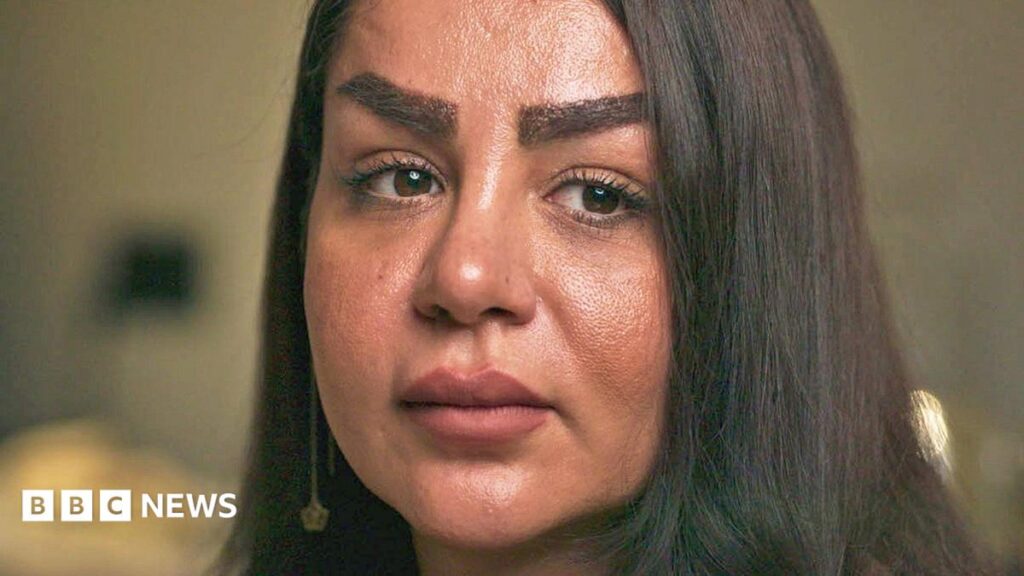
Samira, a 38‑year‑old mother from the city of Karaj, had joined the protests with her teenage daughter Sevda, hoping to voice their frustration over the regime’s oppression. According to Samira’s own testimony to local media, Sevda was standing a few metres from the crowd when a security guard fired a warning shot that struck the girl in the chest.
Sevda’s death was captured on a phone video that quickly spread across Persian‑language social platforms, igniting a fresh wave of outrage. The footage showed the bullet’s impact and the frantic attempts of by‑standers to administer first aid, underscoring the brutal reality of the state’s response to peaceful assembly.
In the weeks that followed, Samira was summoned for questioning by the Ministry of Intelligence. She was accused of “inciting unrest” by sharing the video online and is now facing a possible sentence of up to ten years for what officials label as propaganda against the state.
Why Samira’s case matters beyond Tehran
Samira’s situation highlights a growing trend: the criminalisation of grief. By targeting a mother who is publicly mourning her child, the regime is signalling that any personal narrative that contradicts its official story will be treated as political dissent. This tactic erodes the space for civil society to mourn, organise, and demand accountability.
The case also raises concerns for the Iranian diaspora, many of whom have been vocal supporters of the protests from abroad. Legal experts warn that Tehran could extend its reach through extraterritorial prosecutions, a method it has already used against dual‑national journalists and activists living in Europe and the United States.
For international NGOs, Samira’s plight adds urgency to calls for a UN‑mandated independent investigation into the January killings. Without external pressure, families like Samira’s risk being silenced permanently, and the regime’s narrative of “lawful crowd control” will go unchallenged.
Parallel struggles: African youth movements and authoritarian backlash
The crackdown in Iran mirrors a pattern seen across several African states where youthful protests are met with disproportionate force. In Sudan, the 2023–2024 demonstrations against military rule resulted in over 200 deaths, according to the Sudanese Professionals Association. Similarly, Nigeria’s #EndSARS protests in 2020 were violently suppressed, leaving a lasting scar on the nation’s activist community.
These parallels matter for African diaspora networks that have expressed solidarity with Iranian demonstrators. Nigerian‑born artists in Tehran, for instance, have used Persian‑language rap to amplify calls for freedom, while Kenyan NGOs have organised online vigils for Sevda. The shared experience of state violence creates a trans‑continental solidarity that could reshape how diaspora groups mobilise.
Moreover, the Iranian regime’s use of digital surveillance to track activists is a technique now being exported to African authoritarian governments. Cyber‑security firms based in South Africa have reported a surge in demand for anti‑surveillance tools after the 2026 Iranian crackdown, indicating that the ripple effects are already influencing African digital‑rights markets.
What comes next for Samira, her family and the broader dissent
Legal analysts predict that Samira’s case will likely be tried in the Revolutionary Court, where sentences are often handed down swiftly and with limited opportunity for appeal. Human rights lawyers in Iran have called for a joint international legal defence team, but securing such support remains fraught with diplomatic hurdles.
On the ground, the protests have not entirely subsided. New flash‑mob gatherings have emerged in Tehran’s suburbs, with participants wearing black armbands in memory of Sevda. The symbolism of a mother’s loss continues to galvanise a segment of the population that refuses to be silenced by fear.
For the African and diaspora audience, the unfolding story serves as a reminder that authoritarian repression knows no borders. Monitoring how Iran’s tactics influence African protest movements—and vice‑versa—will be essential for activists seeking to protect their own spaces from similar state overreach.
Quick Answers
Who was Sevda?
Sevda was the 16‑year‑old daughter of Iranian protester Samira, killed by a security guard’s bullet during a January 2026 demonstration.
What charges is Samira facing?
Samira is being investigated for “propaganda against the regime” and could receive up to ten years in prison if convicted.
How could this affect African activists?
The crackdown signals a warning for African and diaspora pro‑democracy groups that solidarity actions may attract similar repression and surveillance.
Source: www.bbc.co.uk



💬 Comments 0