Libya’s top religious body rules Nike apparel un‑Islamic, warns retailers in 2026, sparking debate over branding in Muslim markets
Background: Libya’s religious authority and the Dar al‑Ifta
The Dar al‑Ifta, Libya’s highest body for issuing fatwas, has long been the arbiter of religious compliance on everything from finance to fashion. Established after the 2011 uprising, it operates under the Ministry of Awqaf and Islamic Affairs and is consulted by courts, schools and private businesses when questions of Islamic law arise. Its pronouncements, while not legally binding, carry immense moral weight in a country where Islam shapes daily life and public policy.
Libya’s youthful population, estimated at over 6 million under the age of 30, has embraced global streetwear as a form of self‑expression. Brands like Nike, Adidas and Puma dominate the informal market, with cheap knock‑offs sold alongside authentic imports in Tripoli, Benghazi and smaller coastal towns. This clash between a modern consumer culture and a conservative religious establishment set the stage for the recent controversy.
The ruling: why Nike’s swoosh was deemed un‑Islamic
On 2 November 2026 the Dar al‑Ifta issued a formal fatwa stating that displaying the Nike “swoosh” on clothing is “un‑Islamic” because the logo represents a pagan deity – the Greek goddess Nike, goddess of victory – and therefore violates the principle of avoiding shirk, or associating partners with God. The ruling cited classical jurisprudence that forbids the public display of symbols linked to non‑Islamic deities, a view echoed by scholars in Saudi Arabia and Malaysia in similar cases.
The fatwa did not ban the use of Nike shoes, only apparel bearing the visible logo. It called on retailers, both formal shops and informal market stalls, to remove such items from their shelves or cover the logo with a neutral cloth. The statement also urged parents to steer children away from clothing that glorifies foreign symbols, framing the issue as a matter of protecting moral values rather than a commercial dispute.
Immediate impact on Libyan consumers and retailers
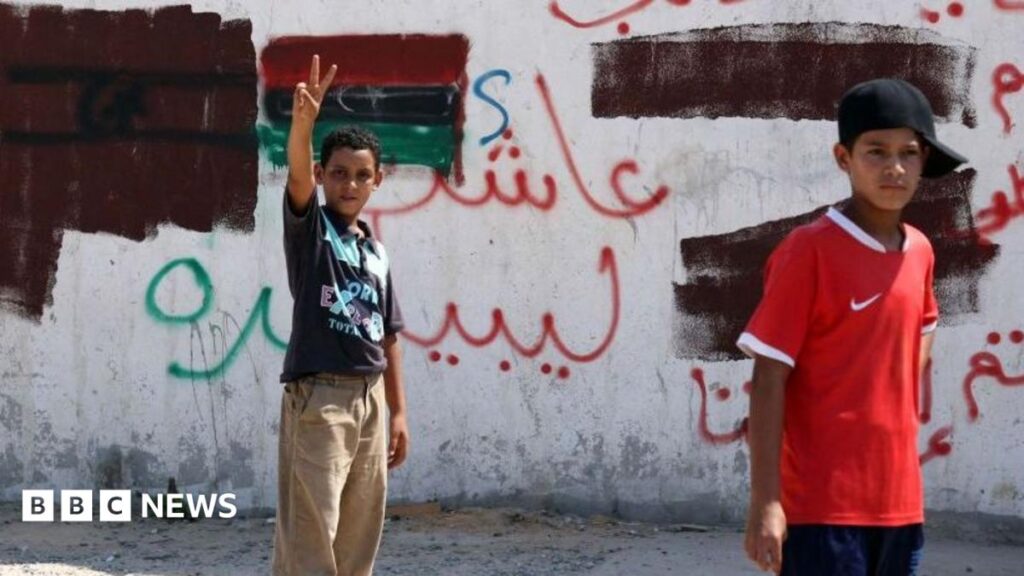
Within hours of the announcement, vendors in Tripoli’s Souq al‑Jumaa reported a sharp decline in sales of Nike shirts and jackets, with some shop owners covering the swoosh with black tape to avoid penalties. A local retailer told Reuters that “the fear of being reported to the religious police is real, and we cannot risk losing our licence.” The informal market, which accounts for roughly 40 % of Libya’s apparel trade, is expected to see a shift toward unbranded or locally produced garments that do not trigger the fatwa.
For consumers, especially the urban youth, the ruling feels like an intrusion on personal style. Social media threads on Facebook and TikTok show mixed reactions: some users praise the decision as a defence of Islamic identity, while others label it as “over‑reach” that stifles creativity. The debate has also sparked a surge in demand for “Islamic‑friendly” streetwear, prompting local designers to launch collections that replace the swoosh with Arabic calligraphy or neutral graphics.
Regional ripple: similar moves in the Muslim world and what it means for brands
Libya is not the first country where religious authorities have taken aim at Western logos. In 2024 Saudi Arabia’s Council of Senior Scholars warned against the public display of the “Star of David” on jewelry, and Malaysia’s Department of Islamic Development issued guidance on halal‑compliant branding. These actions reflect a broader trend of faith‑based bodies asserting influence over consumer culture, especially as global brands expand into markets where religious sentiment is a key purchasing driver.
For multinational corporations, the pattern signals a need to adapt branding strategies. Nike, which previously navigated controversies in the Middle East by tailoring advertising to local sensibilities, now faces a decision: either redesign the logo for the Libyan market, launch a logo‑free line, or risk losing a fast‑growing segment of North‑African youth. Analysts at Bloomberg note that similar adaptations in Indonesia and Pakistan have led to modest revenue gains, suggesting that a flexible approach could turn a regulatory headache into a market opportunity.
Looking ahead: Nike’s options and the broader conversation on faith‑based branding
Nike’s regional office in Dubai has not issued an official response as of 3 November 2026, but insiders say the company is weighing a “logo‑less” capsule collection for Libya and possibly the wider Maghreb. Such a move would align with the brand’s recent “Just Do It – Respect Local Culture” campaign, which emphasizes community engagement over a one‑size‑fits‑all visual identity. If successful, the approach could set a precedent for other sportswear giants facing similar religious scrutiny.
Beyond the corporate arena, the Libyan fatwa adds momentum to a larger discourse about the intersection of faith, commerce and youth identity across Africa. Scholars at the University of Tripoli argue that the decision highlights a tension between globalization and the desire to preserve cultural authenticity. For diaspora communities in Europe and North America, the story resonates as a reminder that branding choices made in New York or Tokyo can reverberate in markets thousands of kilometres away, shaping perceptions of both the brand and the community it serves.
Quick Answers
Why did Libya’s Dar al‑Ifta declare Nike clothing un‑Islamic?
The Dar al‑Ifta said the Nike swoosh references the Greek goddess of victory, which it views as a non‑Islamic symbol, violating the prohibition on displaying pagan icons.
What impact will the ruling have on Nike sales in Libya?
Retailers are already removing or covering Nike apparel, likely causing a short‑term drop in sales while prompting a shift toward unbranded or locally made clothing.
Could this fatwa affect Nike’s presence in other African markets?
If similar religious concerns arise elsewhere, Nike may need to adapt its branding strategy across North Africa and other Muslim‑majority regions to maintain market share.
Source: www.bbc.co.uk




💬 Comments 0