Man Charged Over AI-Generated Crocodile Photo in Singapore’s Marina Reservoir Sparks Legal Debate, 2026
Background: AI Art, Deepfakes and Singapore's Strict Laws
Artificial intelligence tools that generate images from text prompts have exploded in popularity since 2022, with apps like Midjourney and DALL‑E allowing anyone to conjure photorealistic scenes in seconds. While many celebrate the creative possibilities, governments worldwide are grappling with how to police content that can be mistaken for reality, especially when it triggers public safety concerns. Singapore, known for its low tolerance for misinformation, has long enforced the Protection from Online Falsehoods and Manipulation Act (POFMA), which can penalise the spread of false information that harms public order.
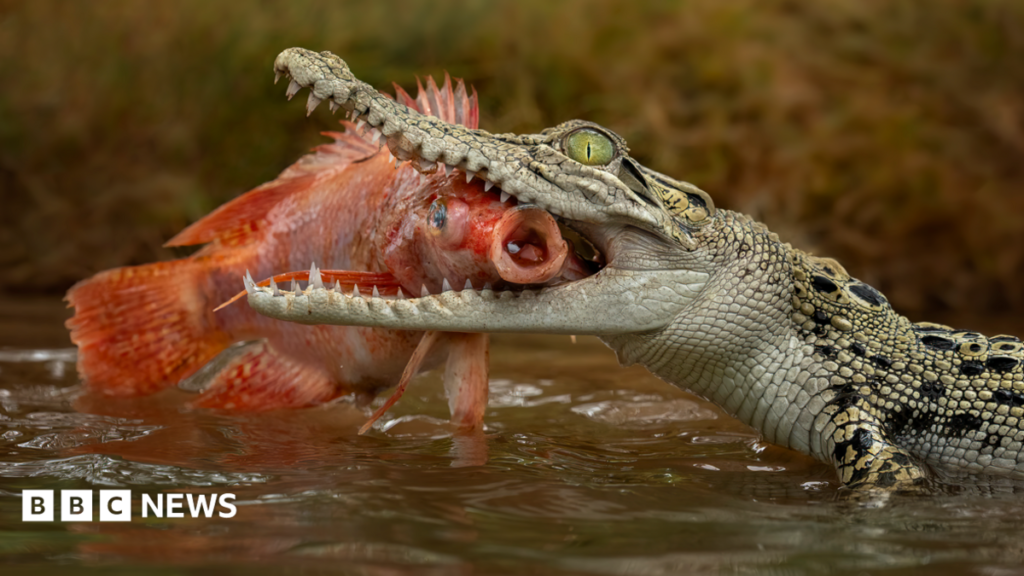
In early September 2026, a 31‑year‑old Singaporean posted an AI‑generated image of a massive crocodile lurking in the Marina Reservoir, the city‑state’s largest water supply. The picture, shared on a local social media platform, went viral within hours, prompting the Singapore Police Force to launch a search operation. The incident reignited a debate about whether AI‑created visuals should be treated the same as fabricated photographs in the eyes of the law.
What Happened: From Viral Image to Criminal Charge
The image showed a 10‑metre crocodile with its jaws open near the reservoir’s embankment, a sight that would be impossible in Singapore’s tropical climate where such reptiles are not native. Within 30 minutes, thousands of users were posting alerts, and the Singapore Civil Defence Force (SCDF) dispatched divers and patrol boats to verify the claim. After a half‑day of fruitless searching, officials confirmed the animal was a digital fabrication, but the panic had already caused traffic snarls and a brief shutdown of nearby water‑sport activities.
On September 27, the Singapore Police charged the creator under the Miscellaneous Offences (Public Order and Nuisance) Act, citing “causing a public nuisance and unnecessary expenditure of public resources.” The charge carries a potential fine of up to S$10,000 or imprisonment for up to six months. The defendant, who remained unnamed pending court proceedings, reportedly used a popular AI image generator and added a brief caption suggesting the photo was “real.”
Why It Matters: Legal Precedent and the Cost of Digital Panic
The case is the first time Singapore has pursued criminal liability for an AI‑generated image that sparked a public emergency response. Legal scholars say the ruling could set a benchmark for how authorities treat synthetic media that induces real‑world actions, from emergency services deployment to market disruptions. If courts uphold the charge, it may compel AI platform providers to embed stronger verification tools or watermarks, echoing moves in the European Union that require “digital provenance” for deepfakes.
Beyond the courtroom, the incident highlights the tangible costs of digital misinformation. The SCDF’s deployment of personnel and equipment reportedly cost the government S$45,000 in overtime and fuel. While the amount is modest compared to larger national emergencies, it signals that AI‑driven hoaxes can translate into measurable fiscal burdens, especially for small‑state economies that allocate a high proportion of budget to public safety.
Broader Trend: AI Regulation Waves From Asia to Africa
Singapore’s decisive action mirrors a growing wave of AI regulation across continents. In early 2026, Kenya’s Communications Authority announced a draft bill requiring AI‑generated content to be clearly labelled, aiming to protect voters ahead of the general election. South Africa’s Competition Commission meanwhile launched an inquiry into AI‑generated advertising, fearing that undisclosed synthetic media could distort consumer choice. These moves reflect a shared concern that the same technology that fuels artistic innovation can also be weaponised for panic‑inducing hoaxes.
For African creators and tech entrepreneurs, the Singapore case serves as a cautionary tale. Many African startups are building AI‑based visual tools for marketing, fashion and entertainment. The emerging regulatory climate suggests that these firms will soon need compliance frameworks—metadata tagging, user consent prompts, and rapid takedown mechanisms—to avoid legal exposure. The cost of non‑compliance could be steep, especially for small enterprises that lack legal departments.
What’s Next: Policy, Enforcement and Public Awareness
The defendant’s case is slated for a hearing in November 2026. Legal analysts predict that the court will weigh the intent behind the post—whether it was a prank, a political statement, or a reckless act—against the measurable disruption caused. Regardless of the verdict, the Singapore government has pledged to tighten guidelines for AI‑generated content, including mandatory digital signatures for images posted on platforms with more than 100,000 users.
Civil society groups in Singapore and across the region are urging a balanced approach that protects public safety without stifling artistic expression. A coalition of digital rights NGOs has called for a public education campaign on “synthetic media literacy,” arguing that informed citizens are the first line of defence against panic‑inducing fakes. If such initiatives gain traction, they could become a model for other nations grappling with the same dilemma, including Nigeria, where recent viral AI‑deepfake videos of political figures have already sparked parliamentary inquiries.
Quick Answers
What law was the man charged under for the AI crocodile image in Singapore?
He was charged under Singapore's Miscellaneous Offences (Public Order and Nuisance) Act, which can impose fines or up to six months in jail.
How much did the false crocodile alert cost Singapore's emergency services?
The emergency response is reported to have cost around S$45,000 in overtime wages and operational expenses.
Will this case affect AI regulations in Africa?
Yes, it adds to a global trend prompting African countries like Kenya and South Africa to consider labeling and verification rules for AI‑generated media.
Source: www.bbc.co.uk


💬 Comments 0