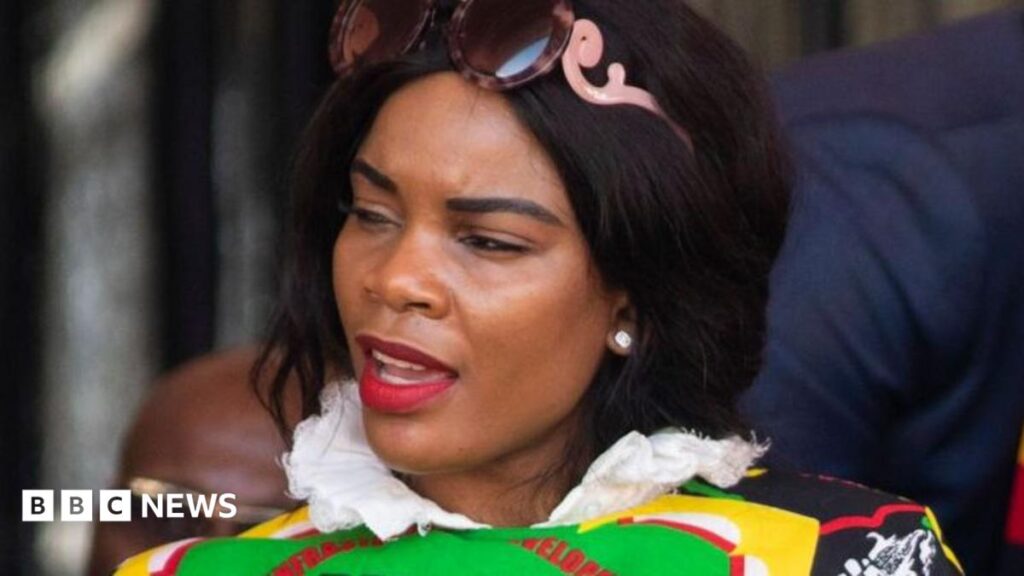
Marry Mubaiwa freed after seven‑year attempted‑murder case collapse, Zimbabwe VP’s ex‑wife
Background: A marriage that entered the political spotlight
Marry Mubaiwa married Constantino Chiwenga, Zimbabwe’s first vice‑president, in 2016. The union was brief; the couple separated in 2018, and Mubaiwa filed for divorce shortly before the 2019 election that returned Chiwenga to the executive bench.
Mubaiwa, a former model and entrepreneur, kept a low public profile after the split, but her name resurfaced when she was arrested on charges of attempting to murder her then‑husband. The case instantly became a flashpoint for discussions about gender‑based violence, political immunity, and the independence of Zimbabwe’s courts.
The alleged crime and a stalled prosecution
In August 2019, police claimed they had evidence that Mubaiwa had plotted to kill Chiwenga using a firearm that was allegedly found in her residence. She was denied bail and placed on remand, a pre‑trial detention that would last for more than seven years.
Legal observers noted that the prosecution’s case was hampered by missing forensic reports and contradictory witness statements. Over the years, multiple adjournments were granted, citing the need for further investigation, but no new material evidence was presented to the court.
Why the case collapsed after so long
In September 2026 the High Court ruled that the prosecution had failed to meet the burden of proof required for a trial. The judge cited “material inconsistencies” in the police dossier and the absence of a clear chain of custody for the alleged weapon.
Human‑rights groups, including the Zimbabwe Lawyers for Human Rights, argued that Mubaiwa’s prolonged detention violated constitutional guarantees of a speedy trial. The court’s decision to discharge her on the grounds of insufficient evidence was therefore welcomed by civil‑society advocates who had long campaigned for judicial reform.
Implications for Zimbabwe’s political landscape
The dismissal of the case removes a legal cloud that has hung over Vice‑President Chiwenga for years. While the vice‑president has not publicly commented, analysts suggest the outcome could bolster his standing ahead of the 2028 general elections, where the ZANU‑PF ticket is expected to lean heavily on his security‑background credentials.
Conversely, the episode underscores how high‑profile prosecutions can be weaponised in Zimbabwe’s patronage politics. The collapse may embolden opposition parties to call for stricter safeguards against politically motivated charges, especially as the country grapples with a rising demand for accountability from younger voters.
Reactions from the diaspora and civil society
Zimbabweans living abroad reacted with a mix of relief and scepticism. In a Facebook thread hosted by the Zimbabwe Diaspora Forum, many expressed that Mubaiwa’s release was a victory for the rule of law, yet warned that similar cases could still be used to silence dissent.
Local NGOs such as Women’s Coalition of Zimbabwe hailed the decision as a precedent for victims of gender‑based accusations. They called for the establishment of an independent oversight body to monitor pre‑trial detentions, noting that Mubaiwa’s seven‑year remand is among the longest for a non‑violent charge in recent memory.
What comes next for Mubaiwa and the justice system
Mubaiwa has filed a civil suit seeking compensation for unlawful detention, a move that could set a financial precedent for future wrongful‑detention claims in the country. Legal experts predict a settlement could run into the high six figures, depending on how the court assesses damages for loss of liberty and reputation.
The broader judicial reform agenda, already on President Emmerson Mnangagwa’s docket, may now gain momentum. International donors, including the EU and the African Development Bank, have signalled readiness to fund capacity‑building programmes for Zimbabwe’s courts, provided that concrete steps toward reducing case backlogs are demonstrated.
Quick Answers
Why was Marry Mubaiwa released after seven years?
The High Court dismissed the attempted‑murder charge in 2026 because prosecutors failed to provide reliable evidence, leading to a finding of insufficient proof.
How does Mubaiwa’s case affect Vice‑President Constantino Chiwenga?
The case’s collapse removes a legal controversy that could have damaged Chiwenga’s image, potentially strengthening his political position ahead of the 2028 elections.
What impact might the case have on Zimbabwe’s justice reforms?
The high‑profile dismissal highlights flaws in pre‑trial detention practices and may accelerate reforms aimed at ensuring faster, fairer trials and independent oversight.
Source: www.bbc.co.uk




💬 Comments 0