Netanyahu vs Eisenkot 2026 Election: Coalition Deadlock Pushes Arab Parties Into Talks
A fragmented Knesset sets the stage
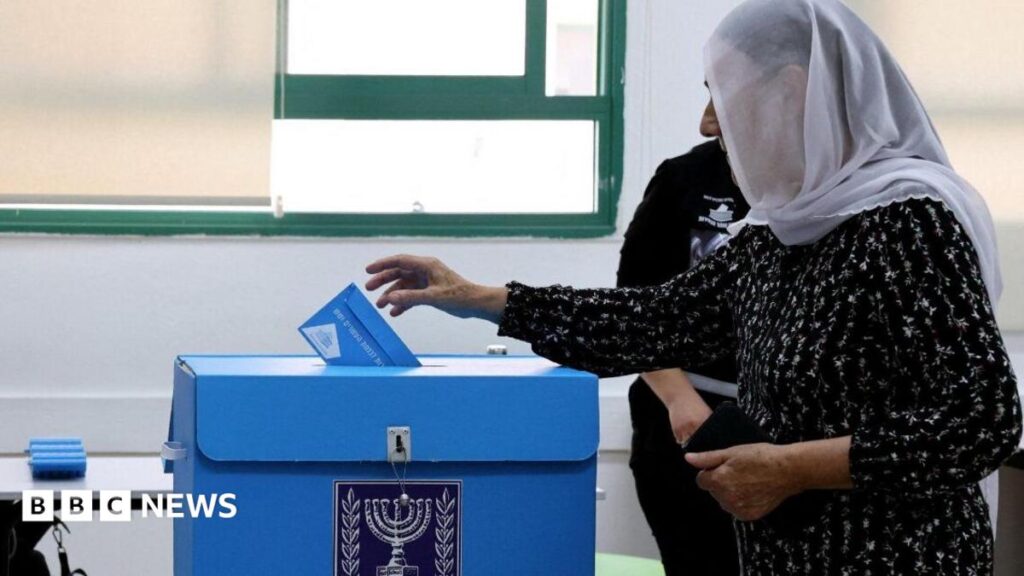
Israel’s March 2026 parliamentary election delivered a classic split‑vote outcome. Prime Minister Benjamin Netanyahu’s Likud bloc secured 30 seats, while the centrist coalition led by former defense minister Yoav Eisenkot captured 28. Neither bloc crossed the 61‑seat threshold required for an outright majority in the 120‑member Knesset, leaving a coalition puzzle that will shape Israel’s policy for the next four years.
The election also saw a modest resurgence of Arab‑Israeli parties, which together won 12 seats – a figure that, while not a breakthrough, now makes them kingmakers. Historically, Arab parties have been excluded from formal governing coalitions, but the current arithmetic forces all major players to consider their involvement.
Why the numbers matter for Israel and beyond
In a parliamentary system, the ability to pass budgets, approve security measures, and enact foreign‑policy decisions hinges on a stable governing majority. Without Arab party support, both Netanyahu and Eisenkot risk a prolonged caretaker government, which could stall critical legislation on defence procurement, energy projects, and the ongoing judicial reforms that have sparked nationwide protests.
Beyond domestic policy, a deadlocked Knesset can affect Israel’s external engagements. International investors watch coalition stability as a barometer for market confidence, especially in high‑tech sectors where Israeli firms are deeply intertwined with African tech hubs and venture capital networks.
Implications for Africa‑Israel relations
African nations have become increasingly important partners for Israel over the past decade, from security cooperation with Kenya and Ethiopia to agricultural technology exchanges with Nigeria and Ghana. A weak or short‑lived Israeli government could slow the rollout of joint projects, such as the drip‑irrigation pilots in the Sahel or the cyber‑security training programmes run by Israeli firms in Johannesburg.
The diaspora angle is also salient. Over 200,000 Israelis of African descent, many of whom maintain family ties in the continent, watch the coalition talks closely. Their communities often act as informal bridges for business and cultural exchange; any delay in policy implementation may dampen the momentum of these cross‑border networks.
Domestic and diaspora reactions
Within Israel, public opinion polls show growing fatigue with endless coalition negotiations. A recent poll by the Israel Democracy Institute indicated that 57 % of respondents preferred a clear, decisive government over a protracted power‑sharing arrangement, even if it meant compromising on ideological goals.
Among the African diaspora in Israel, community leaders have urged both blocs to prioritize stability. Rabbi David B. Koren of the Ethiopian Jewish community in Jerusalem told The Jerusalem Post that “our people have contributed to Israel’s security and innovation; we need a government that can keep those contributions moving forward, not a stalemate that stalls progress.”
What could happen next?
Analysts predict three likely paths. First, Netanyahu could offer a limited coalition that includes the United Arab List (Ra'am) and the Joint List, trading support for concessions on budget allocations to Arab municipalities. Second, Eisenkot might attempt a “grand coalition” with Likud, a move that would require significant policy compromises on both sides, especially regarding the controversial judicial reforms. Third, if talks stall, Israel could face a second election within the year, a scenario that would further erode investor confidence and delay joint projects with African partners.
Regardless of the route taken, the next few weeks will be crucial for Israeli‑African cooperation. Ministries of Foreign Affairs in Nairobi, Addis Ababa, and Abuja have already signalled readiness to engage with any new Israeli government on trade and security, but they have also warned that prolonged uncertainty could push African partners to diversify toward other tech hubs such as India or the Gulf.
Quick Answers
Why can’t Netanyahu or Eisenkot form a government without Arab parties?
Both blocs fell short of the 61‑seat majority, leaving a gap that only the 12 seats held by Arab‑Israeli parties can fill.
How could an Israeli coalition deadlock affect African tech collaborations?
Uncertainty can delay joint ventures, funding, and technology transfer programmes that link Israeli startups with African innovation hubs.
What are the main coalition options after the 2026 election?
Netanyahu could partner with Arab parties, Eisenkot could seek a grand coalition with Likud, or a second election could be called if talks fail.
Source: www.bbc.co.uk




💬 Comments 0