Paris suburb shooting suspect placed under psychiatric observation after deadly Oct 2026 attack
What happened in the Paris suburb
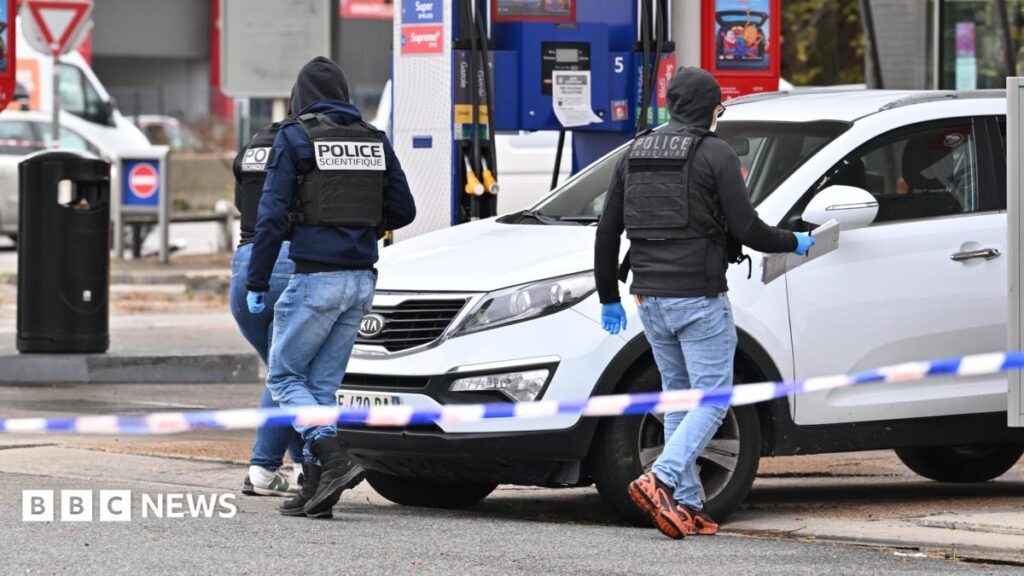
On the night of October 23, 2026, a gunman opened fire in the northern Paris suburb of Saint‑Denis, killing three people and wounding two others. The attack, which shocked a community already grappling with high crime rates, prompted an immediate police lockdown and a massive manhunt that ended within hours. Investigators identified a 28‑year‑old male suspect, whose name has not yet been released, as the alleged perpetrator.
Police recovered the weapon—a semi‑automatic handgun—near the scene and found forensic evidence linking it to the suspect. He was arrested without resistance after a brief pursuit through the suburb’s narrow streets. The victims, all local residents, were taken to nearby hospitals, where two later died from their injuries. The incident has reignited debates over public safety in France’s banlieues, areas historically marked by socioeconomic challenges and a strong presence of immigrant communities.
Authorities announced that the suspect would be placed under psychiatric observation to determine whether his mental state is compatible with further interrogation. This procedural step, mandated by French criminal law, aims to protect both the suspect’s rights and the integrity of the investigation, ensuring that any statements made are given freely and with full mental capacity.
Why psychiatric observation matters in French law
Under the French Code of Criminal Procedure, a suspect may be sent for psychiatric assessment when there are reasonable doubts about his mental fitness. The evaluation, conducted by a court‑appointed psychiatrist, examines whether the individual can understand the charges against him and cooperate with police questioning. If the expert deems the suspect unfit, the case can be paused, and the person may be placed in a secure medical facility until deemed competent.
The decision to order observation does not imply guilt; rather, it safeguards the legal process. It also protects the suspect from being subjected to interrogation while experiencing a mental health crisis, which could otherwise lead to coerced or unreliable statements. In high‑profile cases, the measure can become a focal point for human‑rights advocates who argue that psychiatric evaluations should not be used to sideline suspects or delay justice.
In this particular case, officials said the observation will determine whether the suspect’s “psychiatric health is compatible with pursuing his interrogation.” The phrasing suggests that authorities are cautious about proceeding with a standard interview until a clear medical opinion is obtained, a step that could influence the timeline of any future trial.
Security concerns in the banlieues and the broader French response
The Saint‑Denis shooting adds to a string of violent incidents that have plagued France’s peripheral suburbs over the past decade. These neighborhoods, often home to large North‑African, Sub‑Saharan African and other immigrant populations, face higher rates of unemployment, limited public services, and strained relations with police. Each new attack fuels public calls for tougher security measures, while also prompting critics to warn against policies that may further marginalise vulnerable communities.
President Emmanuel Macron’s administration has already announced a series of initiatives, including increased funding for youth outreach programs and a modest boost to police presence in high‑risk zones. Yet, many community leaders argue that without addressing the root socioeconomic drivers—such as housing shortages and education gaps—security measures alone will not curb the cycle of violence. The current incident is likely to be cited by both sides of the debate as evidence supporting their respective positions.
Political parties across the spectrum are positioning themselves ahead of the upcoming municipal elections. Right‑wing groups are calling for stricter gun controls and expanded surveillance, whereas left‑leaning parties emphasize investment in mental‑health services and community policing. The outcome of the psychiatric observation could become a talking point in these campaigns, influencing how candidates frame law‑and‑order versus social‑justice narratives.
African diaspora perspective: why this story hits close to home
Saint‑Denis, like many Parisian suburbs, hosts a sizable African diaspora, with residents tracing roots to Senegal, Mali, Ivory Coast, and the Democratic Republic of Congo. For many in the community, the shooting is not just a crime statistic but a personal tragedy that revives memories of past unrest and perceived discrimination. Local African NGOs have already issued statements calling for transparent investigations and for the authorities to avoid stigmatising the entire community.
Mental‑health stigma remains a significant barrier within many African families in France. The decision to place the suspect under psychiatric observation may spark discussions about how mental illness is perceived and treated among diaspora populations. Community leaders hope the process will highlight the need for culturally sensitive mental‑health resources, which are currently scarce in the banlieues despite rising demand.
Economically, the incident could affect small African‑owned businesses operating in the area. A heightened police presence and potential curfews may deter customers, while negative media coverage could reinforce stereotypes that link immigrant neighborhoods with crime. Conversely, some activists see an opportunity to rally support for local enterprises, urging city officials to pair security actions with economic relief packages targeted at African entrepreneurs.
What’s next: legal timeline, possible reforms and public reaction
The psychiatric assessment is expected to last up to 72 hours, after which a report will be submitted to the investigating judge. If the suspect is deemed fit, formal interrogation will resume, and the case will move toward indictment. Should the evaluation find him unfit, he could be placed in a secure psychiatric facility, with periodic reviews to reassess his status. Either outcome will shape the prosecution’s strategy and the timeline for a potential trial, likely scheduled for 2028 given the complexity of the case.
In the meantime, protests have been organised by several diaspora groups demanding greater police accountability and better mental‑health services. The French interior ministry has pledged to maintain open communication with community leaders, while also warning that any attempts to obstruct the investigation will be met with legal action. Social media chatter indicates a split public opinion: some view the psychiatric observation as a necessary safeguard, while others suspect it could be a tactic to delay justice.
Looking ahead, the incident may accelerate legislative discussions on gun control, especially concerning the illegal circulation of semi‑automatic weapons in Europe. It could also prompt a review of existing protocols for handling suspects with potential mental‑health issues, balancing public safety with individual rights. For the African diaspora in France, the case underscores the ongoing need for policies that address both security and the social determinants of health in marginalized neighborhoods.
Quick Answers
Why was the Paris suburb shooting suspect sent for psychiatric observation?
French law requires a psychiatric assessment when there are doubts about a suspect’s mental capacity to ensure any interrogation is conducted fairly.
How could this shooting affect African communities in Saint‑Denis?
The incident may heighten security measures that impact local African businesses and could spark discussions on mental‑health stigma within the diaspora.
What are the next steps after the psychiatric evaluation?
If deemed fit, the suspect will be interrogated and possibly charged; if not, he may be placed in a secure medical facility until deemed competent.
Source: www.bbc.co.uk




💬 Comments 0