Philippe Diallo to Challenge Infantino for FIFA Presidency 2027 – Impact on African Football
Background: Infantino’s FIFA and the push for change
Gianni Infantino has steered FIFA since 2016, overseeing the expansion of the World Cup to 48 teams and the launch of new commercial ventures. While his tenure has brought financial growth, critics argue that governance reforms have lagged, especially regarding transparency and representation of emerging football markets.
African football administrators have repeatedly voiced frustration that the continent’s interests are sidelined in decisions about tournament hosting, prize‑money distribution, and development funding. The 2026 World Cup in North America, for example, sparked a wave of petitions for a joint African‑South American bid, only to be dismissed by FIFA’s executive committee.
Against this backdrop, the upcoming 2027 presidential election is being watched as a potential turning point. No incumbent has yet announced a retirement, but mounting pressure from continental confederations suggests that a contested race could force Infantino to defend his record on a global stage.
Who is Philippe Diallo? A French administrator with African roots
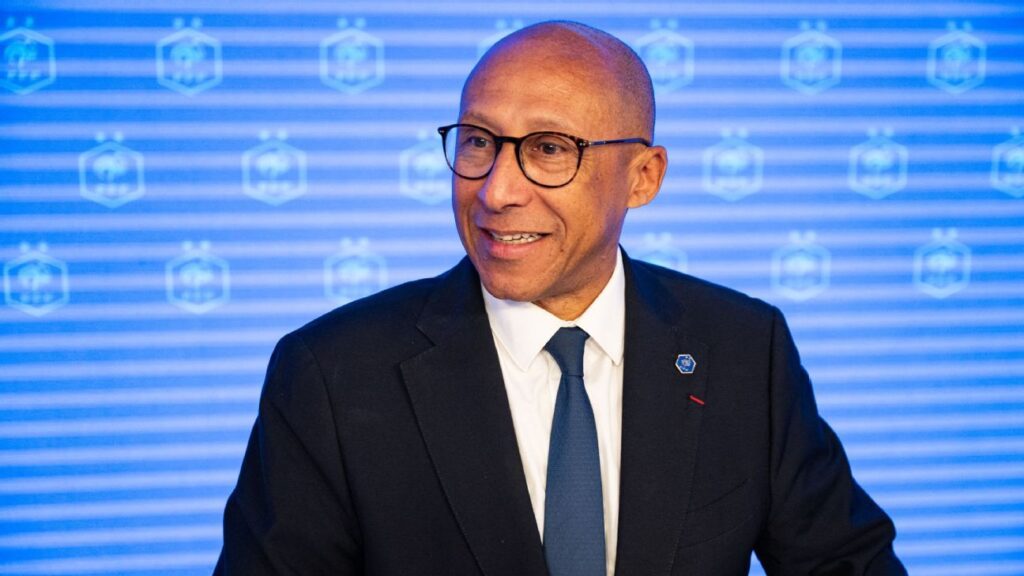
Philippe Diallo, appointed president of the French Football Federation (FFF) in 2023, rose through the federation’s bureaucracy after a long stint as secretary‑general. Born in Paris to Senegalese parents, Diallo brings a bicultural perspective that resonates with both European and African football circles.
During his brief presidency, Diallo has championed youth development programmes that partner French academies with clubs in West Africa, aiming to create clearer pathways for talent migration. He also pushed for a revision of the FFF’s governance charter to include stricter conflict‑of‑interest rules, a move praised by anti‑corruption watchdogs.
Diallo’s decision to run for FIFA’s top job signals an ambition to translate his reformist agenda onto the world stage. Sources close to the FFF say he views the candidacy as an opportunity to amplify African voices within the sport’s most powerful institution.
Why African football stakeholders are watching closely
The Confederation of African Football (CAF) has long campaigned for a “one‑member‑one‑vote” system at FIFA, arguing that the current weighted voting model favours the traditional powerhouses of Europe and South America. Diallo’s African heritage and his public support for a more equitable voting structure have made him a focal point for CAF’s reform agenda.
In a recent interview, CAF president Patrice Motsepe hinted that Diallo’s platform could align with the confederation’s demand for increased development grants, especially for infrastructure projects in sub‑Saharan nations. Motsepe reportedly told African media that “a Diallo presidency could finally give us a seat at the table where real decisions are made.”
Diaspora football fans in Europe and North America are also paying attention. Many see Diallo’s candidacy as a chance for the continent’s growing fan base to feel represented in FIFA’s marketing strategies, which have historically leaned toward European clubs and star players.
Potential implications for the World Cup and African football development
If Diallo were to unseat Infantino, the most immediate ripple would be the reconsideration of the 2030 World Cup hosting formula. African nations have already formed a joint bid with Spain and Portugal, arguing that a multi‑continent tournament would showcase football’s global reach. A Diallo‑led FIFA could be more receptive to such a proposal, given his public statements about “shared continents, shared glory.”
Beyond the marquee event, Diallo has outlined a blueprint for a $1 billion development fund aimed at upgrading stadiums, training centres, and women's leagues across Africa. While the plan still requires FIFA board approval, its existence alone could shift donor priorities away from ad‑hoc projects toward long‑term sustainability.
Another area of impact is the allocation of the expanded World Cup slots. The current 48‑team format reserves only five places for African teams, a figure that many African journalists deem insufficient. Diallo has hinted at lobbying for an increase to eight slots, arguing that the continent’s talent pool justifies broader representation.
What comes next: the 2027 FIFA election landscape
The official FIFA election is scheduled for early 2027, with candidate registration opening later this year. Infantino is expected to run for a third term, but his campaign will now have to address a more organized opposition that includes not only Diallo but also emerging candidates from Asia and South America.
Campaign financing will be a decisive factor. Diallo’s backers include several European clubs with strong commercial ties to Africa, as well as private investors from the Nigerian tech sector who see football as a vehicle for brand exposure. According to a report by Reuters, these supporters have already begun assembling a fundraising network that could rival traditional FIFA power blocs.
Regardless of the outcome, the contest is likely to force FIFA to articulate a clearer stance on governance reforms, voting rights, and revenue sharing. Analysts predict that even if Infantino retains the presidency, the pressure generated by Diallo’s challenge will result in a “partial concession” package aimed at appeasing African federations and preserving the organization’s legitimacy.
Quick Answers
When is the next FIFA presidential election?
The next FIFA presidential election is slated for early 2027, with candidate registration opening later in 2026.
How could Philippe Diallo’s candidacy affect African World Cup slots?
Diallo has suggested lobbying for an increase from five to eight African slots in the expanded 48‑team World Cup format.
What reforms does Diallo propose for FIFA governance?
He advocates a ‘one‑member‑one‑vote’ system, stricter conflict‑of‑interest rules, and a $1 billion development fund for African infrastructure.
Source: www.espn.com



💬 Comments 0