Powerful 2026 Nor’easter Floods New Jersey and NYC, Triggers Widespread Outages
The Storm’s Path and Immediate Impact
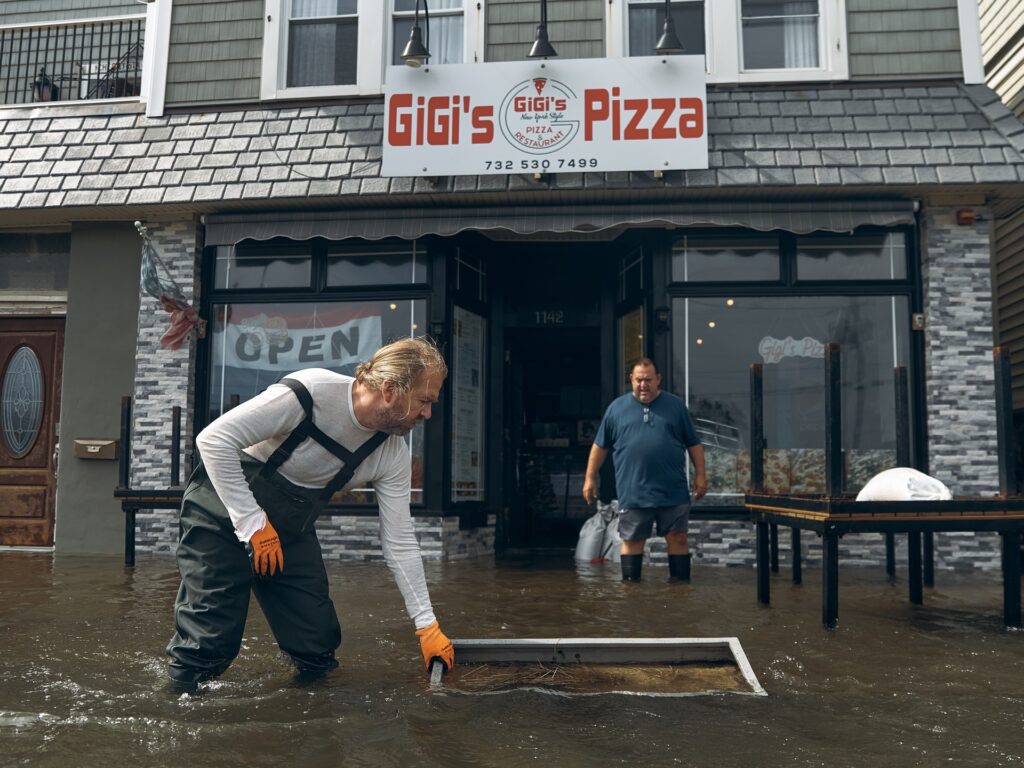
On the night of September 27, a rapidly intensifying nor'easter slammed the U.S. Northeast, dumping more than eight inches of rain in parts of New Jersey and New York City within a twelve‑hour window. The deluge overwhelmed storm‑drain systems, flooding low‑lying neighborhoods such as Jersey City’s waterfront districts and Manhattan’s Lower East Side, while rivers along the Hudson swelled beyond historic marks.
Power lines that run close to the riverbanks were knocked down, leaving an estimated 120,000 customers without electricity across the two states. Utility crews reported that some outages were caused by submerged transformers, a problem that can take days to resolve because equipment must be dried, tested and replaced in safe conditions.
Emergency shelters opened at schools and community centers, and the National Weather Service issued flash‑flood warnings for a 30‑mile stretch of the coastline. Local officials declared a state of emergency, mobilising the National Guard to assist with sandbag distribution and road clearance as traffic snarls turned major arteries into temporary dead‑ends.
Why This Nor’easter Is a Climate Signal
Meteorologists note that the storm’s intensity aligns with a growing pattern of winter‑time cyclones that draw more moisture from a warming Atlantic Ocean. A 2024 study by the NOAA Climate Prediction Center linked the frequency of high‑impact nor'easters to rising sea‑surface temperatures, a trend that is expected to accelerate as global greenhouse‑gas concentrations climb.
The storm’s rapid deepening, known as bombogenesis, was recorded at a rate of 30 mb in 24 hours—well above the 24 mb threshold that defines a “bomb” cyclone. Researchers say such explosive development is becoming more common in the Northeast, where the clash of cold Arctic air and warm Gulf Stream waters creates a potent energy gradient.
Because the region’s infrastructure was largely built for 20th‑century weather extremes, the surge in storm power is exposing vulnerabilities that could translate into higher repair costs, insurance premiums, and, ultimately, tax burdens for residents. The event therefore serves as a live case study for climate‑adaptation planners worldwide.
Ripple Effects for African Diaspora and Trade
The storm hit at a time when many African expatriates in the United States were preparing to send remittances home for the upcoming holiday season. Power outages disrupted online banking platforms, delaying transfers that families in Nigeria, Ghana and Kenya rely on for school fees and medical expenses. According to a poll by the African Development Bank, roughly 15 % of diaspora‑origin households reported at least one missed payment during the three days following the flooding.
U.S. ports on the East Coast, especially the Port of Newark‑Elizabeth, experienced brief shutdowns as high water levels threatened container stacks. The temporary bottleneck slowed the export of commodities such as cocoa beans from West Africa, which are routinely shipped through New York’s logistics hub. Traders warned that even a short delay could ripple into price volatility on global markets, affecting African farmers’ earnings.
Beyond commerce, community organisations serving the African diaspora mobilised volunteers to provide bottled water, blankets and translation services at shelters. Their rapid response highlighted the growing role of diaspora networks as informal safety nets, a model that some African municipalities are studying for their own disaster‑response frameworks.
Lessons for African Cities Facing Flood Risks
Cities like Lagos, Accra and Dar es Salaam are grappling with similar challenges: aging drainage, rapid urban expansion, and climate‑driven sea‑level rise. The New Jersey flooding demonstrates how even modest rainfall—when combined with blocked canals and inadequate green infrastructure—can produce catastrophic runoff. Urban planners in Africa are increasingly advocating for low‑impact development (LID) techniques, such as permeable pavements and rain gardens, that were deployed in parts of New York after Hurricane Ida.
Moreover, the nor'easter exposed a critical data gap: real‑time river‑stage monitoring was limited to a handful of USGS stations, delaying public alerts in some neighborhoods. African governments are investing in sensor networks and satellite‑based precipitation estimates to close that gap, but funding remains uneven. Partnerships with U.S. research institutions, forged after previous disaster‑relief missions, could accelerate technology transfer.
Finally, the rapid deployment of mobile power generators and micro‑grids in the affected U.S. suburbs offers a blueprint for African utilities seeking resilience. Companies like Kenya’s Powerhive are piloting solar‑plus‑storage kits that can be dispatched within hours of an outage, a strategy that could reduce reliance on diesel generators and cut emissions. The American experience underscores that diversified, decentralized energy solutions are not just a luxury but a necessity in an era of extreme weather.
What Comes Next – Policy and Preparedness
State legislators in New Jersey and New York have already introduced bills that would tighten building codes for flood‑prone zones, requiring elevated foundations and flood‑proof electrical enclosures. If passed, the regulations could set a precedent for coastal states across the U.S., and offer a policy template for African nations revising their own construction standards under the UN Climate Adaptation Framework.
Federal agencies are also reviewing the adequacy of the National Flood Insurance Program (NFIP) after the storm exposed coverage gaps for renters and low‑income homeowners. Advocacy groups argue that a reformed NFIP, with subsidised premiums for vulnerable populations, could serve as a model for Africa’s nascent flood‑insurance schemes, many of which remain pilot projects.
On the ground, community‑based preparedness drills are being scheduled in the hardest‑hit neighborhoods, with NGOs training residents on emergency kits, evacuation routes and first‑aid basics. Similar grassroots initiatives are gaining traction in African megacities, where formal emergency services are stretched thin. The convergence of policy reform, insurance innovation and community empowerment may determine whether the next storm becomes a tragedy or a catalyst for lasting resilience.
Quick Answers
How many people lost power during the 2026 nor'easter in the US Northeast?
About 120,000 customers in New Jersey and New York City were left without electricity as the storm knocked down lines and submerged transformers.
Did the storm affect remittances sent from the US to African countries?
Yes, power outages disrupted online banking, causing delays for many diaspora families sending money to Nigeria, Ghana, Kenya and other nations.
What lessons can African cities learn from the flooding in New Jersey?
The event highlights the need for better drainage, real‑time flood monitoring, stricter building codes and decentralized energy solutions to cope with increasing flood risks.
Source: www.aljazeera.com




💬 Comments 0