Robert Kabera beheaded in Uganda: Rwanda critic’s death sparks regional outcry in 2026
Background: Kabera’s rise from soldier to outspoken exile
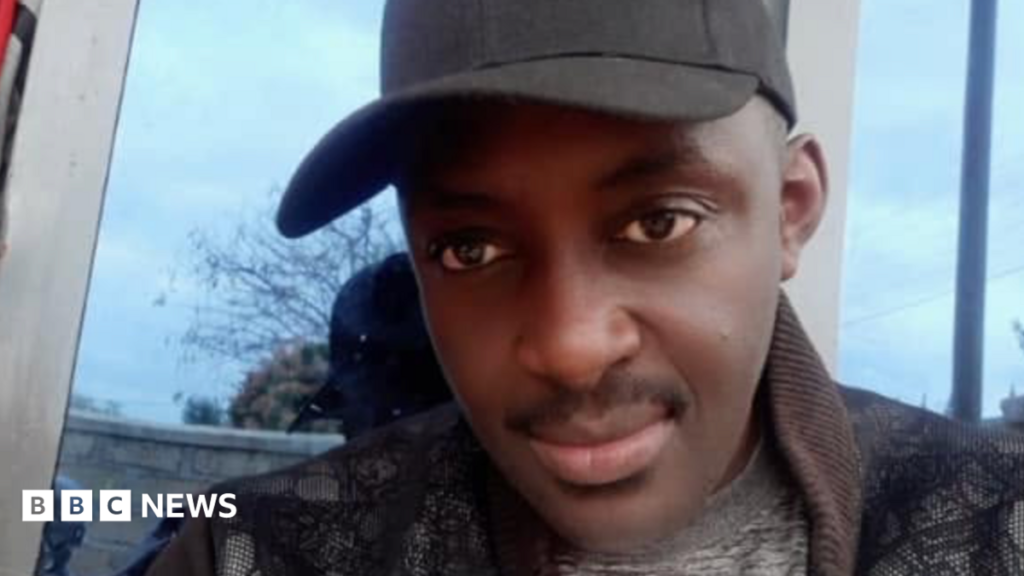
Robert Kabera, a former sergeant major in the Rwandan army, left the military in 2022 after becoming disillusioned with the government's tightening grip on the armed forces. He turned his frustration into a digital platform, launching a YouTube channel that blended satirical songs with hard‑hitting commentary on President Paul Kagame’s policies. Within two years, Kabera amassed more than 300,000 subscribers across the continent, especially among Rwandan diaspora youth who craved an alternative voice to state‑run media.
In early 2024, Kabera applied for political asylum in Uganda, citing threats to his safety after a series of online posts that mocked the president’s handling of the 2024 elections. The Ugandan Ministry of Refugee Affairs granted him temporary protection, allowing him to continue creating content from Kampala. His presence in Uganda added to a growing cluster of Rwandan dissidents who have taken refuge in neighboring states, turning the capital into a de‑facto hub for opposition media.
Kabera’s music, which fused traditional Rwandan rhythms with modern Afro‑beat, often carried veiled criticism of government corruption and human‑rights abuses. While his lyrics were playful, the underlying messages resonated strongly with listeners who felt silenced at home. This blend of entertainment and activism made him a unique figure in the East African digital landscape, and his sudden disappearance has sent shockwaves through the region’s online community.
The murder: what is known about the beheading
On 15 October 2026, Ugandan police announced that Kabera’s body was discovered in a secluded area of the Wakiso District, his head severed from his torso. The grisly nature of the killing immediately sparked speculation about a politically motivated execution, a claim that Ugandan authorities have not yet confirmed. According to a police spokesperson, the crime scene showed signs of a struggle, but no weapon or DNA evidence has been publicly released.
Human‑rights groups, including Amnesty International’s East Africa office, have called for an independent investigation, warning that the method of the killing mirrors other high‑profile assassinations of Rwandan critics abroad. In a statement, the groups said that “the pattern of extrajudicial killings, often staged to look like criminal acts, is a growing concern for the safety of exiles in the region.” The Ugandan government, which has historically balanced diplomatic ties with Kigali against its own refugee commitments, has promised full cooperation with any international probe.
Sources close to Kabera’s family say that he had received anonymous threats a week before his death, though they could not verify the origin of those messages. A fellow YouTuber, who asked to remain anonymous for safety reasons, reported that Kabera had been rehearsing a new song that directly referenced alleged human‑rights violations in Rwanda’s northern provinces. Whether the content of that song triggered the attack remains unconfirmed.
Regional repercussions: Uganda, Rwanda and the diaspora feel the tremor
Uganda’s response to the killing will test its diplomatic tightrope with Rwanda. Kigali has historically pressured neighboring states to curb the activities of Rwandan opposition figures, and Kampala has previously expelled activists under pressure. If investigations point to Rwandan involvement, Kampala could face a dilemma: either expel suspected agents, risking a diplomatic fallout, or risk appearing complicit in a murder on its soil.
For the Rwandan diaspora in Europe, North America and the Middle East, Kabera’s death reignites fears that the reach of Kigali’s security apparatus extends far beyond its borders. Community leaders in the United Kingdom have already called for a meeting with the British Foreign Office to discuss enhanced protection for exiled Rwandan journalists. In the United States, a coalition of African‑American and African diaspora groups has launched a petition demanding that the State Department issue a travel advisory for Rwandan nationals traveling to Uganda.
Economically, the incident could affect cross‑border trade between Uganda and Rwanda, which has already suffered from periodic border closures tied to political disputes. Kampala’s markets, which rely heavily on Rwandan traders, may see a short‑term dip if the two governments adopt a hardline stance. Moreover, investors in the East African Community have warned that a surge in political violence could undermine the region’s attractiveness for foreign direct investment.
A broader pattern: silencing dissent across Rwanda’s borders
Kabera’s murder fits into a troubling series of incidents involving Rwandan critics abroad. In 2023, a prominent Rwandan blogger was arrested in Tanzania on vague charges that many observers linked to Kigali’s request for extradition. In 2025, a former army officer living in Kenya was found dead under suspicious circumstances, a case that human‑rights monitors described as “a likely state‑sanctioned killing.” These cases suggest a systematic effort to neutralize outspoken voices, regardless of where they seek refuge.
Analysts note that Rwanda’s security doctrine, shaped by the legacy of the 1994 genocide, places a premium on pre‑emptive action against perceived threats. The government has justified its surveillance and intimidation tactics as necessary to protect national unity, but critics argue that the approach erodes fundamental freedoms. A recent report by the International Crisis Group warned that Rwanda’s “extraterritorial security posture” could destabilize the entire Great Lakes region if neighboring states feel compelled to act defensively.
The digital age has amplified the reach of dissident voices, making it harder for authoritarian regimes to contain criticism. Kabera’s YouTube channel, for instance, had over 1.2 million total views, meaning his messages were heard far beyond the diaspora. The lethal response to such a platform signals a shift: instead of merely blocking content, the state appears willing to eliminate the creator. This escalation raises alarm for other African activists who rely on social media to bypass state censorship.
What’s next: calls for justice and the future of exile activism
International pressure is already mounting. The African Union’s Peace and Security Council scheduled a special session for early November to address “the safety of political refugees in member states.” If the council adopts a resolution condemning the killing and urging a transparent probe, Kampala may be compelled to act swiftly to protect its own reputation as a safe haven for asylum‑seekers.
Within the Rwandan opposition, Kabera’s death is likely to galvanize a new wave of underground activism. Several younger YouTubers have posted tributes, promising to continue his legacy of “musical resistance.” However, they also acknowledge the heightened risk, with many now employing encrypted communication tools and relocating to countries with stronger asylum protections, such as Canada and Sweden.
For policymakers in Uganda, the incident underscores the need to strengthen refugee protection mechanisms and to coordinate security operations with civil‑society watchdogs. The Ugandan parliament is expected to debate a bill that would increase penalties for foreign‑state‑sponsored violence on Ugandan soil. Whether that legislation passes and how effectively it is enforced will shape the future of exile politics in East Africa.
Quick Answers
Who was Robert Kabera?
Robert Kabera was a former Rwandan army sergeant major turned YouTuber and singer who used his platform to criticize President Paul Kagame.
What happened to Kabera in Uganda?
Kabera was found beheaded in the Wakiso District of Uganda on 15 October 2026, a killing authorities suspect may be politically motivated.
How could Kabera’s death affect Rwandan dissidents in Uganda?
The murder could prompt tighter security measures, force some exiles to relocate, and strain Uganda‑Rwanda relations, impacting the safety of other critics seeking refuge.
Source: www.bbc.co.uk

💬 Comments 0