South Sudan cattle raids kill 72, jeopardising 2026 first election and regional stability
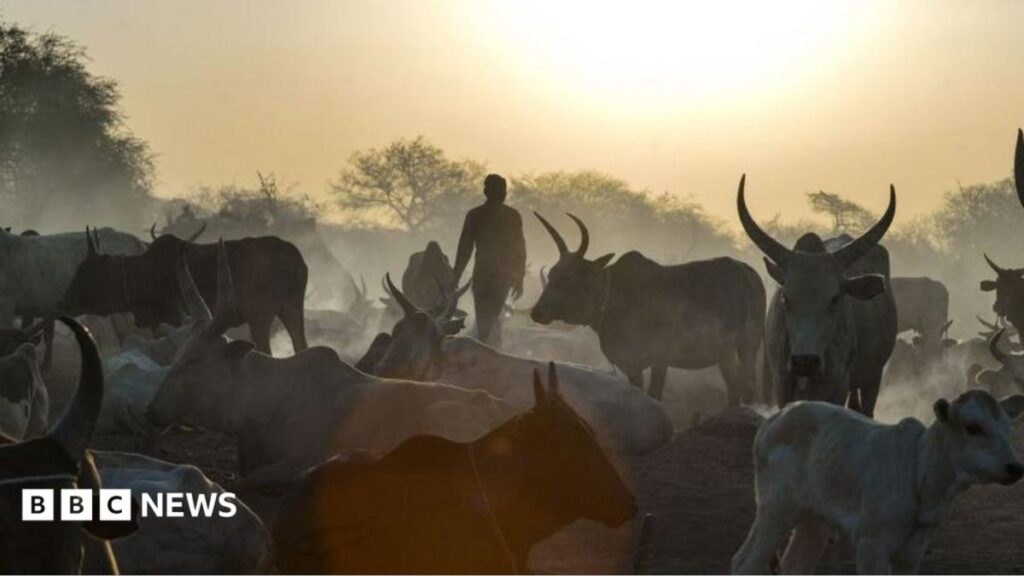
A long‑standing grievance turned deadly
Livestock has been both a livelihood and a status symbol in South Sudan for generations. Among many pastoralist communities, cattle are used for bride‑price, social prestige and as a safety net against drought. This cultural value, however, has also made herders vulnerable to raids, especially in the borderlands where state authority is weak and guns are plentiful.
Since the civil war ended in 2018, the country has seen a surge in organized cattle‑theft groups that operate across state lines. These outfits are often linked to armed factions that survived the conflict, using raids to fund their weapons purchases. Human Rights Watch has documented how the breakdown of traditional conflict‑resolution mechanisms has left communities without trusted mediators, turning old feuds into cycles of retaliation.
Climate stress has added fuel to the fire. Prolonged droughts in the Greater Horn of Africa have pushed herders further north in search of pasture, intensifying competition over scarce grazing land. According to a 2024 UN FAO report, South Sudan’s livestock numbers have fallen by 15 % over the past five years, heightening the economic stakes of each raid.
The coordinated raids that left 72 dead
In early October 2026, coordinated attacks were reported in three counties of Upper Nile and Jonglei states. Armed groups, estimated to number between 150 and 200, moved on foot and in pickup trucks, targeting cattle camps at dawn. Witnesses say the raiders set fire to homes, looted livestock and opened fire on anyone who tried to resist.
South Sudan’s Ministry of Health confirmed that at least 72 people were killed, with dozens more injured and many families displaced. The casualties included men, women and children, underscoring how civilian populations are caught in the crossfire of what is essentially a criminal‑economic enterprise. Local officials said the death toll could rise as bodies are recovered from remote villages.
The attacks were notable for their planning and scale. Satellite imagery released by humanitarian NGOs showed a sudden concentration of vehicles near the border with Ethiopia a week before the raids, suggesting the involvement of cross‑border networks that have previously supplied arms to rebel factions. The United Nations Mission in South Sudan (UNMISS) has warned that such coordination points to a resurgence of organized armed groups exploiting the security vacuum ahead of the national election.
Why the violence threatens South Sudan’s first democratic vote
South Sudan is slated to hold its inaugural post‑independence election in December 2026, a milestone that could cement peace after decades of civil war. The timing of the raids, however, has raised alarms that the violence could be a calculated attempt to destabilise the electoral process and intimidate voters in contested regions.
Election observers from the African Union have warned that intimidation tactics, including mass killings, can depress voter turnout and skew results in favour of armed actors who control local power structures. A senior analyst at the International Crisis Group noted that “when communities feel that the state cannot protect them, they are more likely to align with the militia that offers security, even if that security comes at a high cost.”
The raids also risk derailing the power‑sharing arrangements agreed upon in the 2023 Revitalised Peace Agreement. If the violence spreads, it could force the Transitional Government of National Unity to divert resources from election logistics to emergency security operations, potentially delaying ballot counting and undermining public confidence in the outcome.
Regional spill‑over and the diaspora’s stake
The Upper Nile region borders Ethiopia’s Gambela state, a corridor already known for illicit arms flows. South Sudan’s neighbours, particularly Uganda and Kenya, have expressed concern that the instability could spill across porous frontiers, threatening trade routes that many South Sudanese diaspora rely on for remittances.
Diaspora organisations in the United States and the United Kingdom have mobilised emergency funds to support displaced families, but they warn that continued insecurity could depress the flow of remittances by up to 10 % according to a recent survey by the South Sudanese Diaspora Forum. For a country where remittances account for roughly 12 % of GDP, such a dip would have macro‑economic repercussions.
Moreover, the violence has reignited debates within the diaspora about the role of South Sudanese entrepreneurs in peacebuilding. Several tech start‑ups based in Nairobi and Kampala have pledged to fund mobile‑based early warning systems that could alert herders to approaching raiders, a model that could be scaled if the government commits to a national rollout.
What comes next: peace talks, security reforms, and humanitarian aid
In the immediate aftermath, the government announced a three‑day curfew in the affected counties and deployed additional UNMISS peacekeepers. Humanitarian agencies, including the International Committee of the Red Cross, have set up temporary clinics to treat the injured and are distributing food kits to the displaced.
Long‑term solutions will require more than emergency measures. Analysts argue that South Sudan must overhaul its security sector by integrating former combatants into a national police force that is accountable to civilian oversight. The 2024 Peace and Security Framework, still pending parliamentary approval, proposes exactly that, but its implementation has been stalled by political infighting.
Civil society groups are calling for a national cattle‑theft commission that would combine traditional dispute‑resolution elders with modern law‑enforcement. Such a hybrid model has shown promise in neighbouring Kenya’s Turkana region, where community‑led patrols helped reduce raids by 30 % over two years. If South Sudan can adapt this approach, it may not only curb the current wave of violence but also create a more resilient foundation for the upcoming election.
Quick Answers
How many people were killed in the recent South Sudan cattle raids?
At least 72 people were confirmed dead by the South Sudanese health ministry.
Will the cattle raids affect South Sudan's December 2026 election?
Yes, the violence threatens voter turnout, could delay election logistics, and may undermine confidence in the results.
What is being done to stop further raids?
The government has imposed curfews, deployed UN peacekeepers, and NGOs are providing emergency aid while long‑term reforms are being debated.
Source: www.bbc.co.uk


💬 Comments 0