Thomas Tuchel slams anti‑racism protocol before England‑Spain Nations League clash, Madrid
Background: UEFA’s anti‑racism push and England’s preparation
Since the early 2020s, UEFA has rolled out a series of mandatory anti‑racism measures for all international fixtures, ranging from on‑field chants to pre‑match briefings for players and staff. The latest iteration, introduced for the 2026 Nations League, requires each team to display a standardized banner, recite a pledge, and submit a detailed report on any incidents that occur during the match. England, under manager Gareth Southgate, entered the final group game against Spain in Madrid already juggling a congested schedule and a squad riddled with injuries.
The clash in Madrid carries extra weight because it decides which side will advance to the semi‑finals. England’s squad includes several high‑profile Black players – such as Bukayo Saka, Marcus Rashford and Jude Bellingham – who have previously spoken out against racism in football. Their presence makes the anti‑racism protocol a particularly sensitive issue, and any perceived mishandling could spark a wider debate about the effectiveness of UEFA’s policies.
The incident: Tuchel’s comments and the media storm
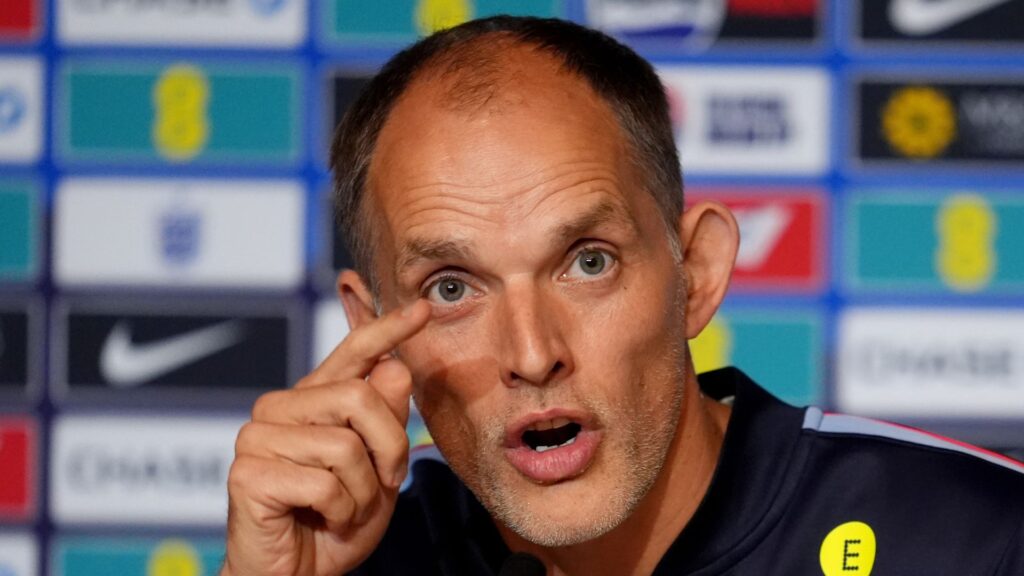
Thomas Tuchel, the German coach of Bayern Munich, was invited to a pre‑match press conference as a neutral analyst for a British broadcaster covering the England‑Spain tie. When asked about the new protocol, he suggested that the mandatory banner could be “tokenistic” and warned that “players might see it as a box‑ticking exercise rather than a genuine stand.” Within minutes, Spanish‑language outlets quoted him as saying the protocol was “a distraction for the teams,” a phrasing he later denied, insisting his words had been “twisted.”
The controversy erupted on social media, with English fans and anti‑racism NGOs accusing Tuchel of undermining a vital safeguard. The Football Association (FA) issued a brief statement saying it “takes any criticism of anti‑racism initiatives seriously” and promised to monitor the match closely. UEFA, meanwhile, declined to comment on the specifics of Tuchel’s remarks, citing media freedom, but reiterated that the protocol would be enforced without exception.
Why it matters beyond the pitch: implications for policy and perception
The uproar highlights a growing tension between top‑down mandates and grassroots acceptance. When high‑profile figures question the sincerity of anti‑racism measures, it can erode public confidence and give skeptics ammunition to dismiss the whole agenda. For UEFA, the risk is that the protocol, intended to signal zero tolerance, may be viewed as a performative act rather than a structural change.
More importantly, the debate feeds into a broader narrative about how football’s governing bodies respond to racism. Past incidents – such as the 2022 abuse of Romelu Lukaku in Belgium and the 2024 boycott of a World Cup qualifier by the Ghanaian federation over alleged discriminatory refereeing – show that without consistent enforcement, protocols become symbolic gestures. Tuchel’s comments, whether accurate or not, force UEFA to confront whether its rules are robust enough to change behaviour on the field and in the stands.
African and diaspora perspectives: a voice that is often missing
African players and fans have long felt sidelined in European anti‑racism dialogues, which tend to focus on Western European contexts. The England squad’s Black contingent includes several players of African heritage – Saka (Nigerian descent), Rashford (Jamaican) and Bellingham (English but raised in a multicultural environment). Their reactions to the protocol are closely watched by diaspora communities across the continent, who see the match as a litmus test for how seriously European football takes racism that affects African‑origin players.
In Nigeria, sports blogs and Twitter threads erupted with calls for the FA to protect its African‑heritage players from any backlash that might arise if the protocol is perceived as weak. A Lagos‑based fan group, “Football Without Borders,” argued that the incident underscores the need for African football federations to develop their own anti‑racism frameworks, rather than relying solely on UEFA’s top‑down approach. The conversation also spilled into the diaspora in the UK, where community organisations are preparing workshops on how to report abuse during live matches, especially now that the protocol mandates real‑time reporting.
What’s next: potential fallout for the Nations League and future policy
The immediate concern for England is the match itself. If the protocol is enforced strictly, any breach – even a single chant from the stands – could trigger a fine or a stadium ban, potentially affecting Spain’s home advantage. The FA has already instructed security staff to be extra vigilant, and several clubs have been briefed on the new reporting software that logs incidents within seconds.
Beyond the game, the incident may prompt UEFA to revisit the wording and delivery of its anti‑racism measures. Sources close to the governing body, speaking on condition of anonymity, say a review panel will meet after the Nations League to assess whether the protocol’s “visibility” component actually reduces incidents or simply adds paperwork. For African football, the episode could be a catalyst for CAF (the Confederation of African Football) to propose its own continent‑wide anti‑racism charter, tailored to the specific challenges faced by African leagues and national teams.
Quick Answers
What did Thomas Tuchel actually say about the anti‑racism protocol?
Tuchel said the new banner requirement might feel like a “box‑ticking exercise,” but he later claimed his remarks were misquoted and that he supports genuine anti‑racism efforts.
Why is the anti‑racism protocol controversial for the England‑Spain match?
Critics argue the mandatory banner and pledge could be seen as symbolic rather than effective, and any perceived lax enforcement might embolden racist behaviour among fans.
How could this controversy affect African‑heritage players in the Nations League?
African‑origin players may feel increased pressure to speak out, and the incident could push African federations to develop their own anti‑racism policies if UEFA’s measures are deemed insufficient.
Source: www.skysports.com




💬 Comments 0