Tottenham coach Roberto de Zerbi warns of fitness and confidence crisis as Spurs slip in 2026 season
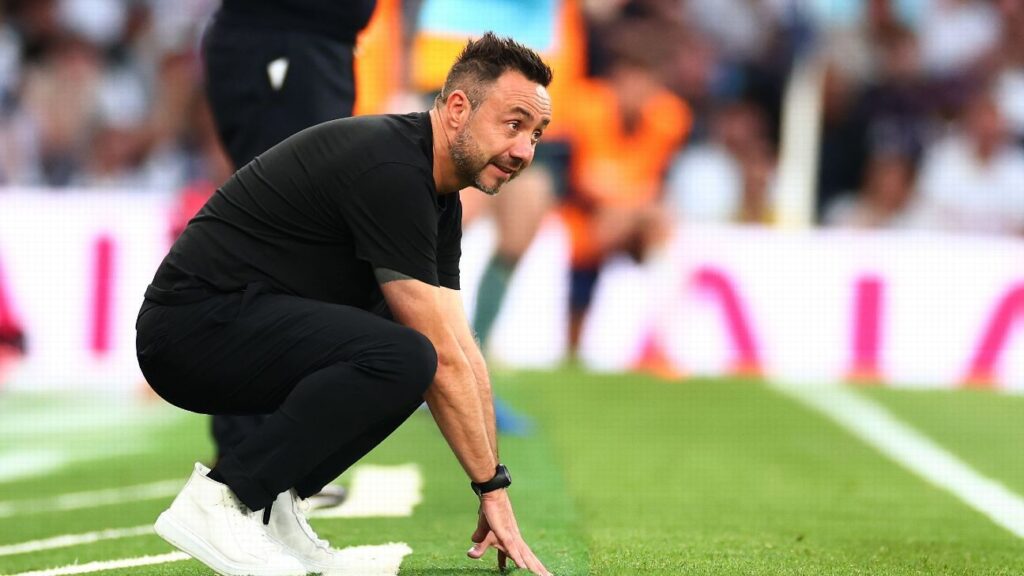
A rocky start to the 2026‑27 Premier League campaign
Tottenham Hotspur opened the 2026‑27 season with a string of underwhelming performances, failing to register a win in their first five league matches. The team has been held to just two goals while conceding six, leaving them languishing near the bottom of the table and far from the European spots they targeted at the start of the campaign.
The lack of results has been compounded by a noticeable drop in intensity during games. Opponents have repeatedly out‑muscled the Spurs in the final third, and the midfield has struggled to dominate possession, leading to a pattern of defensive lapses and missed chances. Fans at the Tottenham Hotspur Stadium have voiced frustration on social media, with many questioning the squad’s preparedness for a demanding season.
Such a start is unusual for a club that invested heavily in the transfer window, bringing in several high‑profile signings to bolster the attack and midfield. The early setbacks have raised doubts about whether the new acquisitions have integrated effectively, and whether the coaching staff can reverse the trend before the winter break.
De Zerbi’s blunt assessment of fitness and confidence
In a post‑match interview with Sky Sports, head coach Roberto de Zerbi admitted that his side “are not in the physical condition we need” and added that “confidence is low across the squad.” The Italian manager, who took over Tottenham last summer, emphasized that the issues are not merely tactical but stem from a deeper lack of belief among the players.
De Zerbi’s comments were accompanied by a promise to overhaul training routines, introducing more high‑intensity interval work and individualized conditioning programs. He also hinted at a psychological component, saying the coaching staff will bring in a sports psychologist to help rebuild the players’ mental resilience, a move that mirrors practices at top European clubs.
While some pundits have criticized the coach for airing internal problems publicly, others argue that such honesty could be a catalyst for change. According to former Premier League manager Sam Allardyce, “When a manager names the problem, it forces everyone to confront it head‑on, which can be the first step to fixing it.”
Why the fitness dip matters for Tottenham’s ambitions
Tottenham entered the season with the expectation of challenging for a top‑four finish and securing a Champions League spot, goals that are tied to the club’s financial strategy. The Premier League’s revenue distribution heavily rewards European qualification, and missing out could affect the club’s ability to fund future transfers and maintain wage structures.
A prolonged fitness crisis also risks increasing injury rates, something Tottenham can ill‑afford given the thinness of their squad depth. In the previous season, the club suffered a spate of muscle injuries that sidelined key players for weeks, and the medical team warned that inadequate conditioning can exacerbate such problems.
Beyond the pitch, the club’s brand value in overseas markets—particularly in Africa—relies on on‑field success. Sponsors and broadcasters often link their investment to the team’s performance, and a slump could lead to renegotiations of lucrative deals that currently fund community programmes across the continent.
The African connection: fans, markets and development projects
Tottenham enjoys a massive following across Africa, especially in Nigeria, Ghana and South Africa, where the Premier League is among the most watched leagues. According to data from the Premier League’s Africa‑focused digital platform, Spurs rank in the top five clubs for online engagement on the continent, translating into significant merchandise sales and broadcast revenue.
The club’s recent fitness concerns have sparked conversations among African supporters about the impact on local football ecosystems. The Tottenham Hotspur Foundation runs youth‑development programmes in Accra and Lagos, providing coaching clinics and scholarships. A dip in the first‑team’s performance could affect the foundation’s fundraising, as corporate partners often tie contributions to the club’s visibility and success.
Moreover, the squad features a growing African presence. While the 2026 roster does not include a senior African international in the starting eleven, the club has signed a promising 19‑year‑old Nigerian midfielder, Chukwudi Okonkwo, from a European academy. Okonkwo’s development is being closely watched by Nigerian fans, and his breakthrough could become a rallying point for the diaspora if Spurs manage to turn the season around.
What could turn the tide and what lies ahead
In the short term, de Zerbi plans to rotate the squad to reduce fatigue, giving younger players more minutes in the upcoming fixtures against Fulham and Brighton. The manager also hinted at a possible January transfer window overhaul, targeting a proven Premier League striker to add firepower and a versatile midfielder to boost ball retention.
Fitness experts suggest that a combination of sports science and nutrition will be crucial. Tottenham’s partnership with a leading sports‑performance firm, based in Manchester, will see the introduction of wearable technology to monitor player load in real time. This data‑driven approach could help the coaching staff fine‑tune training intensity and prevent overtraining.
Looking ahead, the next ten games will be decisive. A win against a mid‑table side like West Ham could restore a slice of confidence, while a loss could deepen the crisis. Fans and analysts alike will be watching whether the club’s African outreach programmes continue unabated, as they remain a key part of Tottenham’s global identity and revenue stream.
Quick Answers
Why did Roberto de Zerbi say Tottenham lack fitness and confidence?
De Zerbi said the squad isn’t in the required physical condition and confidence is low after a winless start, attributing the dip to inadequate conditioning and a psychological slump.
How could Tottenham’s early-season struggles affect African fans and markets?
Poor performance can reduce broadcast viewership, merchandise sales, and sponsorship revenue from Africa, potentially impacting the club’s youth programmes and the visibility of African players like Nigerian prospect Chukwudi Okonkwo.
What steps is Tottenham taking to improve fitness?
The club will introduce high‑intensity training, use wearable performance tech, rotate the squad to manage fatigue, and consider bringing in a sports psychologist to rebuild confidence.
Source: www.espn.com



💬 Comments 0