Trump’s Final Weekend Push in 2026 Election: Rallying in Key States, Tightening Congressional Battle
Background: The Stakes of a Final Push
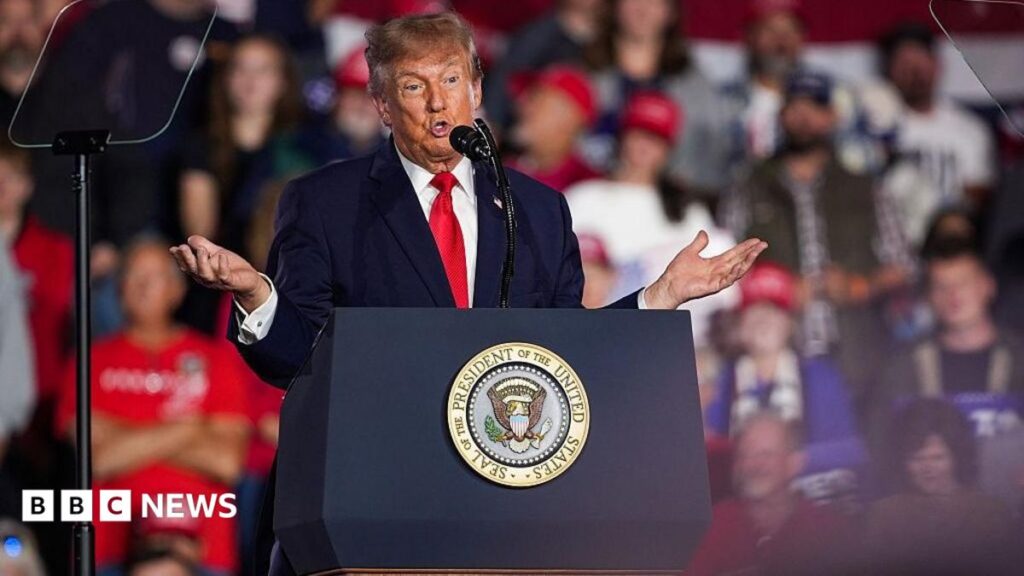
In the 2026 U.S. presidential race, former President Donald Trump is launching a concentrated weekend of rallies across states that Republicans once secured in 2022. The campaign’s timing is strategic: the weekend precedes the crucial early primary and general‑day voting, offering a last chance to galvanise voters before ballots are cast. Trump’s team believes that mobilising these traditional Republican strongholds can swing the overall outcome of the election, particularly in swing districts that may decide control of Congress.
The 2026 election cycle is marked by unprecedented voter engagement, with polls indicating a turnout rate above 70% in several key states. Analysts suggest that the final weekend could be decisive for states like Florida, Ohio, and Pennsylvania, where margins in previous cycles were razor‑thin. Trump’s focus on these states reflects a broader trend of candidates prioritising “swing‑state” rallies to maximize electoral gains before the voting day.
For African readers, the outcome of this election carries implications for U.S. foreign policy, especially regarding aid, trade agreements, and diplomatic ties. The U.S. remains a major partner for many African nations, and changes in congressional control could influence policy priorities that affect development projects and investment flows across the continent.
The Weekend Rallies: States, Messages, and Mobilisation
Trump’s campaign kicked off on Saturday in Miami, Florida, with a 15‑minute speech that highlighted his administration’s trade deals and promised to renegotiate any new agreements that could harm U.S. exporters. The rally drew an estimated 25,000 attendees, according to local media reports. On Sunday, he moved to Columbus, Ohio, where he addressed concerns about infrastructure and promised to support local manufacturing jobs, a theme that resonated with the region’s working‑class voters.
In each state, Trump’s team deployed a high‑energy strategy that combined traditional campaign rallies with a surge in digital outreach. The campaign’s social‑media blitz featured short video clips and targeted ads aimed at voters who had shown interest in the previous election cycle. The messaging consistently emphasised a return to the policies of the 2016–2020 administration, including tax cuts and a hard‑line stance on immigration.
The rallies also served as a platform for Trump’s allies, including former U.S. senators and prominent conservative figures, to endorse him. This coalition-building approach aimed to reinforce the perception of a unified front, a tactic that has proven effective in past campaigns where high‑profile endorsements helped sway undecided voters.
Why It Matters: Congressional Control and Africa
The 2026 election will determine the balance of power in both the House and the Senate. A Republican majority could accelerate the passage of legislation that aligns with Trump’s policy agenda, such as deregulation measures that may impact U.S. corporations operating in Africa. Conversely, a Democratic win could lead to a shift towards increased funding for global health initiatives and climate‑related projects that benefit African nations.
From an economic perspective, changes in U.S. trade policy could affect African markets. A Republican‑led Congress might roll back certain trade agreements, potentially reducing market access for African exporters. On the other hand, a Democratic majority could pursue new trade agreements that open African markets to U.S. goods, fostering economic growth and job creation on the continent.
The diaspora community in the United States also stands to feel the effects. U.S. immigration policy, a central theme in Trump’s campaign, could influence the legal status and economic opportunities of African immigrants. The outcome of the election will shape the legal framework that governs their daily lives, from employment rights to access to public services.
Reactions: Analysts, Opponents, and the Diaspora
Political analysts warn that the weekend’s rallies may have limited impact on the overall election outcome, citing historical data that suggests voter sentiment is largely locked in by early September. However, some experts note that high‑attendance rallies can create a bandwagon effect, especially among undecided voters in key counties.
Trump’s opponents, including the current Democratic nominee, have criticised the rallies as a “last‑minute political stunt.” The nominee’s campaign released a statement urging voters to focus on policy proposals rather than partisan theatrics, emphasizing the need for bipartisan solutions to global challenges such as climate change and pandemic preparedness.
Within African diaspora communities, responses have been mixed. Some community leaders praise the rallies for highlighting economic opportunities, while others express concern over the rhetoric surrounding immigration. Several diaspora organisations are organising community forums to discuss how the election could affect their members’ rights and the broader relationship between the U.S. and Africa.
What’s Next: Post‑Election Scenarios and African Impacts
If Trump secures victory, the new administration could accelerate the implementation of protectionist policies, potentially leading to trade tensions with African partners. This scenario may prompt African governments to seek alternative trade partners or renegotiate existing agreements to safeguard their economic interests.
Should the Democratic nominee win, the U.S. could adopt a more collaborative stance on global issues, including increased funding for African development projects and a renewed focus on climate change mitigation. This shift could open doors for new investment opportunities and strengthen diplomatic ties across the continent.
Regardless of the outcome, African markets should prepare for potential policy shifts. Investors and businesses are advised to monitor legislative developments closely and engage with local stakeholders to adapt strategies accordingly. The diaspora community, meanwhile, may need to reassess their legal status and plan for potential changes in immigration enforcement.
Quick Answers
Which states did Trump rally in during the final weekend?
Trump held rallies in Florida, Ohio, and Pennsylvania, among other key states, focusing on areas that historically lean Republican.
How could the election outcome affect African trade?
A Republican majority may push for deregulation and protectionist trade policies that could limit African export markets, while a Democratic win could promote new trade agreements benefiting African economies.
What impact might the election have on African diaspora in the U.S.?
The election could influence immigration policies that affect legal status, employment rights, and access to public services for African immigrants living in the United States.
Source: www.bbc.co.uk




💬 Comments 0