UK and US troops withdraw from Iraq in 2026, ending anti‑ISIS mission and reshaping regional security
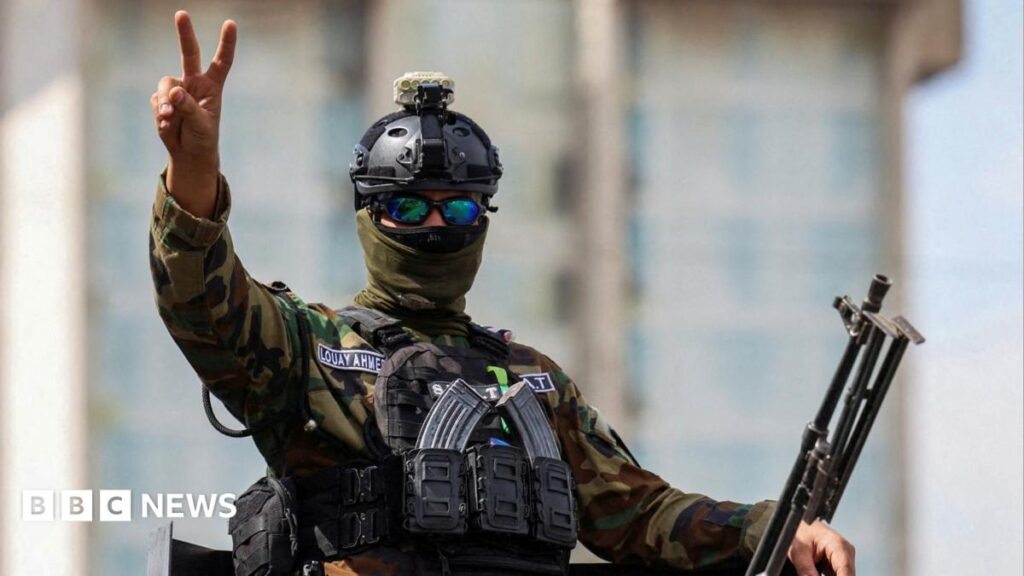
Background: a two‑year deal and the coalition’s footprint
Since 2014, the United States, the United Kingdom and a handful of other nations have kept a military presence in Iraq to support Baghdad’s fight against the Islamic State. The coalition’s role evolved from direct combat to training, intelligence sharing and air‑strike support as Iraqi forces reclaimed most territory by 2020. In 2024, the Iraqi government, backed by parliament, negotiated a formal agreement that set a deadline for foreign troops to leave by the end of 2026, framing the pull‑out as a sovereignty issue.
The deal was sealed after months of diplomatic back‑and‑forth, with Washington and London promising to hand over advanced surveillance equipment and to maintain a limited “train‑and‑advise” footprint after the deadline. Iraqi Prime Minister Mohammed Shia al‑Sudani repeatedly warned that a prolonged foreign presence could fuel nationalist backlash, a concern echoed by regional actors such as Iran and Turkey who view the coalition as a strategic lever in Baghdad.
For the coalition, the agreement represented a shift from a large‑scale deployment—at its peak, more than 2,500 US troops and several hundred UK personnel—to a leaner, advisory model. Analysts at the Brookings Institution noted that the timeline coincided with broader US strategic recalibrations toward the Indo‑Pacific, while the UK’s “global Britain” agenda sought to redirect resources to Africa and the Caribbean.
The final pull‑out: dates, ceremonies and the end of the anti‑ISIS task force
The last convoy of US soldiers left the Al‑Ubaydi airbase near Baghdad on 28 September 2026, followed by the final British contingent departing from the same facility on 30 September. Both withdrawals were marked by low‑key hand‑over ceremonies attended by senior Iraqi officials, US General Michael Kurilla and UK Lieutenant‑General Sir James Bell, who emphasized that the mission had achieved its core objective of dismantling ISIS’s territorial caliphate.
In a joint statement, the coalition declared the formal end of Operation Inherent Resolve’s combat phase, noting that “the threat of a territorial ISIS entity in Iraq has been effectively neutralised.” The declaration, however, included a caveat that a small number of “residual extremist cells” remain active, especially in remote border regions, and that the Iraqi security forces will continue to receive intelligence support through a newly created joint operations centre in Baghdad.
The departure also triggered a wave of media coverage in Western outlets, many of which highlighted the political symbolism of the move. Local Iraqi newspapers, such as Al‑Sumaria, focused more on the domestic narrative, portraying the pull‑out as a triumph of national dignity and a chance for Iraq to chart its own security path without foreign boots on the ground.
Why it matters for Africa: security spill‑over and counter‑terrorism cooperation
The end of the coalition’s combat role in Iraq has direct implications for African nations that have faced ISIS‑linked insurgencies, notably in the Sahel, Mozambique’s Cabo Delgado, and parts of the Horn of Africa. Experts at the African Union’s Peace and Security Council warn that a vacuum in Iraq could embolden trans‑national jihadist networks that already exploit porous borders between the Middle East and Africa.
According to a 2026 report by the International Crisis Group, Iraq has historically served as a logistical hub for fighters moving between the Levant and East Africa. With the coalition’s reduced presence, regional partners such as Nigeria’s Department of State Services and Kenya’s Counter‑Terrorism Centre may need to step up surveillance and share intelligence to prevent a resurgence of recruitment pipelines that once funneled volunteers into ISIS‑affiliated groups in Somalia and the Democratic Republic of Congo.
On the diplomatic front, the United States and the United Kingdom have pledged to maintain a “strategic partnership” with Iraq that includes counter‑terrorism capacity‑building. Both governments have announced plans to expand training programmes for African security forces in Iraq‑based facilities, a move that could strengthen African counter‑terrorism capabilities while also providing Iraq with a new source of revenue and expertise.
Economic ripple effects: oil, reconstruction contracts and African investors
Iraq remains a major oil exporter, and stability in its production zones directly influences global oil prices, which in turn affect African economies that import crude. Analysts at the African Development Bank noted that the withdrawal could lead to short‑term volatility as Iraq adjusts to a new security architecture, but the long‑term outlook remains positive if the Iraqi government can sustain the gains made against ISIS.
The drawdown also opens up a wave of reconstruction contracts that were previously tied to coalition logistics. Companies from South Africa’s mining sector, such as Anglo American, have expressed interest in participating in infrastructure projects ranging from road rebuilding to power‑grid modernization. These opportunities could create jobs for African expatriates and boost trade ties between Baghdad and African capitals.
Furthermore, the United Kingdom’s post‑withdrawal aid package includes a £150 million fund earmarked for “energy transition” projects in Iraq. Officials say a portion of this funding will be channeled through African renewable‑energy firms, aligning with the continent’s own climate‑finance goals and providing a rare instance where a Western security exit translates into a green‑investment influx for Africa.
What’s next: Iraq’s security roadmap and Africa’s role in the new landscape
Baghdad has outlined a three‑year security roadmap that prioritises the integration of local militias into the national army, the expansion of cyber‑defence units, and the establishment of a regional counter‑terrorism forum that includes neighboring Gulf states, Iran and key African partners. The roadmap, presented at a summit in Erbil, signals Iraq’s intent to become a hub for coordinated anti‑terrorism efforts across the wider Middle East‑Africa axis.
For African nations, the roadmap presents both an invitation and a challenge. Countries like Nigeria, which have grappled with Boko‑Haram and its ISIS‑linked offshoots, could leverage Iraq’s experience in de‑radicalisation programmes. Conversely, they must navigate the delicate political balance of engaging with a nation that remains under significant Iranian influence, a factor that could complicate Western‑African security collaborations.
In the diplomatic arena, the United States is expected to shift its focus toward a “strategic partnership” model that relies on technology sharing, satellite surveillance and joint exercises rather than boots on the ground. The United Kingdom, meanwhile, is positioning itself as a bridge between African security ministries and Iraqi reconstruction firms, hoping to cement its post‑Brexit “global Britain” brand in a region that is increasingly interconnected with Africa’s own security and economic ambitions.
Quick Answers
When did the last US and UK troops leave Iraq?
The final US convoy exited Al‑Ubaydi airbase on 28 September 2026, and the last British troops departed on 30 September 2026.
How could the Iraq pull‑out affect African security?
A reduced coalition presence may create gaps that trans‑national jihadist groups could exploit, prompting African nations to boost intelligence sharing and counter‑terrorism cooperation with Iraq.
Will African companies benefit from Iraq’s reconstruction?
Yes, South African and other African firms are being courted for infrastructure and renewable‑energy projects, offering potential contracts worth hundreds of millions of dollars.
Source: www.bbc.co.uk



💬 Comments 0