UN experts demand India stop excessive force on protesters, call for probe 2026
Background: Waves of dissent across India
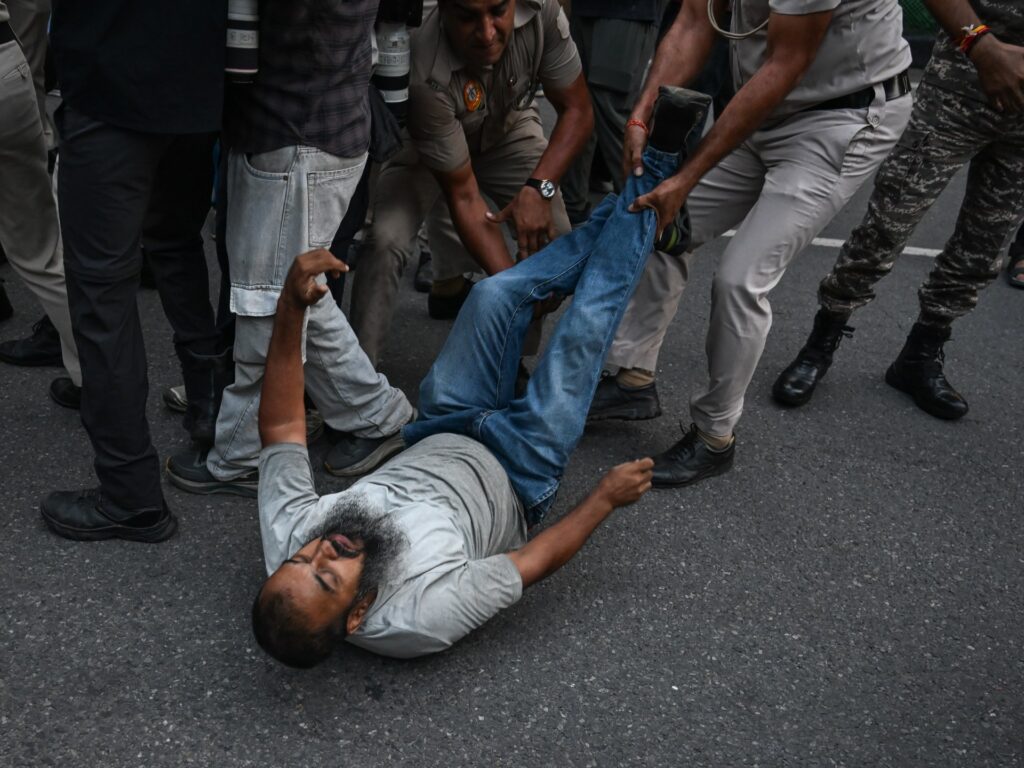
In the spring of 2026, a series of demonstrations erupted in several Indian states, ranging from student walk‑outs over university fee hikes to farmer rallies against new water‑allocation policies. While most protests remained peaceful, police in Delhi and Maharashtra were recorded using tear‑gas canisters and rubber bullets on crowds that were largely unarmed.
The incidents coincided with the Indian government's push to pass a controversial amendment to the Citizenship Amendment Act, sparking fears of heightened communal tensions. Human‑rights NGOs documented at least 27 injuries and three arrests in the first two weeks, prompting local media to question the proportionality of the security response.
Amid the unrest, the United Nations appointed a panel of independent experts on the right to peaceful assembly to monitor the situation. Their mandate includes assessing whether state actions comply with international standards and recommending remedial measures where violations are found.
UN experts’ warning: ‘Excessive force’ must end
On 18 October 2026, the UN panel issued a statement urging Indian authorities to halt what it described as “excessive force” against demonstrators. The experts called for an independent investigation into the use of crowd‑control weapons, noting that several videos showed force being deployed before any clear threat emerged.
According to the UN report, the principle of proportionality—central to the International Covenant on Civil and Political Rights—appears to have been breached in at least five documented cases. The panel also highlighted the lack of transparent reporting mechanisms, which hampers accountability and fuels public mistrust.
The statement concluded with a demand that India establish an impartial commission, staffed by both domestic and international experts, to examine the incidents and to provide reparations to victims. The UN warned that failure to act could trigger further scrutiny from the Human Rights Council.
Why it matters beyond New Delhi
India’s democratic credentials are closely watched by investors, multinational corporations, and diaspora communities worldwide. A perception that the state tolerates heavy‑handed policing can deter foreign direct investment, especially in sectors like technology and renewable energy where political stability is a key risk factor.
For African markets, India is a major trade partner, supplying pharmaceuticals, agricultural machinery, and digital services. Any escalation in civil‑rights concerns could prompt African importers to reassess supply‑chain risks, particularly as several African nations are negotiating preferential trade agreements with India under the India‑Africa Forum.
Moreover, the diaspora’s reaction matters. Nigerians, Kenyans, and South Africans living in India often work in the informal sector and rely on a predictable legal environment. Reports of police overreach may influence their decisions to stay, relocate, or advocate for policy changes through community organisations abroad.
A pattern of state‑centred crackdowns
The latest UN admonition fits a broader global trend where governments invoke security narratives to justify forceful crowd control. In 2024, similar UN experts warned Brazil about police violence during Amazon‑related protests, and in 2025 they called out Thailand for suppressing pro‑democracy rallies. These cases illustrate a growing tension between sovereign security policies and international human‑rights norms.
India’s response mirrors past episodes, such as the 2020 crackdown on farmers in Punjab, where the Supreme Court later ordered a review of police conduct. Each episode adds to a cumulative record that can affect India’s standing in international forums, potentially influencing its bid for a permanent seat on the UN Security Council—a goal the government has pursued for years.
Critics argue that the pattern reflects an institutional bias toward maintaining order at the expense of civil liberties. Supporters, however, contend that the state must act decisively to prevent unrest that could destabilise a nation of 1.4 billion people. The UN’s call for an independent probe seeks to balance these competing narratives by inserting an external check.
What’s next: diplomatic pressure and domestic reforms
In the immediate term, the Indian Ministry of Home Affairs has issued a brief response, stating that “all actions taken were within legal parameters” and promising an internal review. Analysts predict that the ministry will likely commission a domestic inquiry to pre‑empt a more damaging UN‑led investigation.
Civil‑society groups in India are mobilising to demand the formation of an independent fact‑finding body, citing the UN experts’ report as legal leverage. Internationally, several African embassies in New Delhi have requested briefings on the situation, signalling that the issue will feature in upcoming bilateral talks, especially those concerning trade and technology cooperation.
If India complies with the UN’s recommendations, it could set a precedent for transparent handling of protest‑related violence, reinforcing its image as a responsible global player. Conversely, a refusal or a superficial inquiry could fuel further activism, attract sanctions from rights‑focused multilateral bodies, and strain ties with African partners who increasingly prioritize governance standards in their trade decisions.
Quick Answers
What did UN experts say about India's handling of protests in 2026?
They warned that Indian authorities used excessive force and called for an independent investigation into police actions.
How could the UN's criticism affect India's trade with African countries?
Heightened human‑rights concerns may lead African importers to reassess supply‑chain risks and could influence negotiations under the India‑Africa Forum.
What steps is the Indian government expected to take after the UN statement?
The ministry has pledged an internal review, but many expect a more credible, independent probe to satisfy both domestic activists and international observers.
Source: www.aljazeera.com




💬 Comments 0