US strikes Qeshm Island in Iran before 2026 midterms: ripple effect on African oil imports
Background: Tensions in the Strait of Hormuz
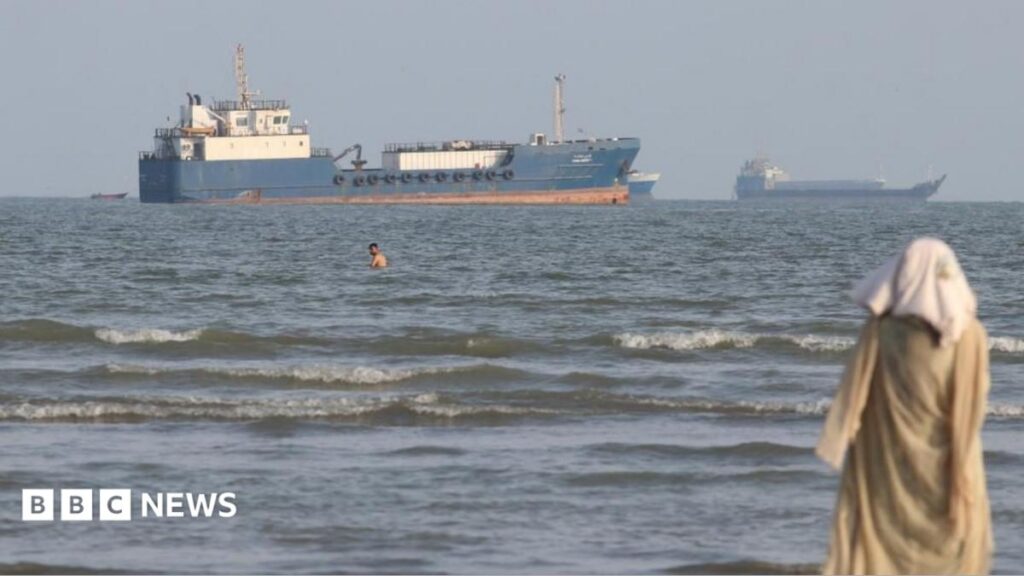
The Persian Gulf has long been a flashpoint between Washington and Tehran, with the narrow Strait of Hormuz serving as a chokepoint for a third of global oil shipments. In recent months, Iranian drones and missiles have threatened commercial vessels, prompting the United States to increase naval patrols and issue stern warnings. The United Nations has repeatedly called for de‑escalation, but both sides have kept their rhetoric sharp, framing any aggression as defensive.
Qeshm Island, Iran’s largest island in the Gulf, hosts a cluster of Revolutionary Guard Navy (IRGCN) installations, including radar sites and missile launch pads that the US has previously labeled as “terrorist infrastructure”. The island’s strategic position allows Iran to monitor traffic through the Hormuz corridor, making it a frequent focus of US surveillance flights and occasional limited strikes.
What happened on November 2, 2026
On the evening of November 2, US warships launched a series of precision strikes against what the Pentagon described as “limited, defensive” targets on Qeshm Island. According to CBS, the attacks focused on an IRGCN radar array and a small ammunition depot, causing no reported casualties among civilians. The US framed the operation as a response to recent Iranian missile launches that it claimed threatened US‑flagged vessels in the Gulf.
Iranian state media, citing the Islamic Revolutionary Guard Corps, condemned the action as an “unprovoked act of aggression” and vowed retaliation. The Iranian Foreign Ministry warned that any further US incursions would be met with “proportionate and decisive” measures, raising concerns of a broader escalation.
Why the timing matters for the US midterms
The strike came just days before the US midterm elections, a period when foreign‑policy decisions often become political talking points. Analysts from the Brookings Institution noted that administrations historically seek to demonstrate resolve on national security to bolster voter confidence, especially in swing states with large military‑family populations. By framing the Qeshm operation as a defensive move, the Biden administration aimed to project a strong stance against Iran without opening a full‑scale conflict.
Critics, however, argue that the timing risks politicising a volatile region and could backfire if the situation spirals. A poll conducted by Pew Research in early November showed that 38% of American voters view Middle‑East conflicts as a key factor in their voting decision, suggesting that any perceived misstep could sway undecided voters in crucial districts.
Implications for African oil markets and the diaspora
Africa’s oil‑importing nations—Nigeria, Kenya, South Africa and Ghana—rely heavily on Gulf crude to meet domestic demand. A sudden disruption in Hormuz traffic can trigger price spikes that ripple across African refineries, raising fuel costs for consumers and eroding thin profit margins for state‑run oil companies. In 2024, a brief closure of the strait added roughly $4‑$5 per barrel to the cost of imported crude for Nigeria, according to the Nigerian National Petroleum Corporation.
The African diaspora in the United States also watches the developments closely. Many diaspora communities maintain business ties with the Gulf region, from shipping agencies to construction firms that supply oil‑field equipment. A prolonged standoff could jeopardise these cross‑border ventures, prompting diaspora entrepreneurs to reassess risk exposure and potentially divert investment to more stable markets.
What comes next: scenarios and regional reactions
If Iran chooses to retaliate with missile launches aimed at US naval vessels, the US may respond with a broader campaign targeting additional IRGCN facilities across the Gulf. Such a scenario could invite involvement from regional powers like Saudi Arabia and the United Arab Emirates, who have their own security concerns about Iranian influence. The Gulf Cooperation Council has already signalled readiness to coordinate with Washington on any escalation.
Conversely, diplomatic channels remain open. The European Union, through its High Representative for Foreign Affairs, has offered to mediate a de‑escalation framework that would include a temporary cease‑fire and a joint inspection of the Qeshm installations. If successful, this could avert a market shock that would otherwise hurt African economies already grappling with inflation and post‑pandemic recovery.
Quick Answers
What targets did the US strike on Qeshm Island?
The US hit an IRGCN radar site and a small ammunition depot on Qeshm Island, describing the strikes as limited and defensive.
How could the Qeshm Island strike affect African oil imports?
Disruption in the Strait of Hormuz could raise global crude prices, increasing the cost of Gulf oil that African importers, especially Nigeria and Kenya, rely on.
Why is the timing of the strike significant for US midterm elections?
The operation was launched days before the midterms, allowing the administration to showcase a strong security stance, a factor that influences many voters in swing states.
Source: www.bbc.co.uk




💬 Comments 0